Films
4 films

About Fred Hibbard
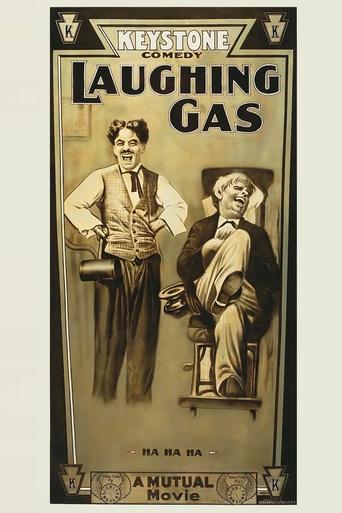
Minor actor in the early silent film era, primarily active during the pivotal years of 1914-1915 when American cinema was transitioning from short subjects to feature-length productions. Fred appears in several Keystone Studios comedies, which were at the forefront of cinematic innovation during this period. His filmography includes appearances in notable early works such as 'Laughing Gas' (1914) and 'Those Love Pangs' (1914), both featuring Charlie Chaplin, as well as 'A Hash House Fraud' (1915). Hibbard's career, though brief, coincided with the golden age of slapstick comedy and the establishment of Hollywood as the center of American film production. Like many actors of this era, his contributions were often uncredited or minimally documented in historical records. His work represents the countless supporting players who helped establish the foundation of American comedy cinema during its formative years.
The Craft
On Screen
Typical of early silent comedy actors, likely employing exaggerated physical gestures and facial expressions to convey humor without dialogue, following the established Keystone style of broad, physical comedy.
Milestones
- Appeared in early Charlie Chaplin comedies
- Worked during the foundational Keystone Studios period
- Contributed to early American slapstick comedy
- Participated in the transition from one-reel to longer comedy formats
Best Known For
Must-See Films
Working Relationships
Worked Often With
Studios
Why They Matter
Impact on Culture
Fred Hibbard represents the countless supporting actors who were essential to the success of early American cinema, particularly during the Keystone Studios era that revolutionized comedy filmmaking. Though not a star, his contributions to films featuring Charlie Chaplin helped create the foundation for modern screen comedy. These early comedies established visual gags, chase sequences, and character archetypes that would influence generations of filmmakers and comedians. The collaborative nature of these productions meant that even minor actors played crucial roles in the overall effectiveness of the comedy.
Lasting Legacy
As a minor actor from the earliest days of Hollywood, Fred Hibbard's legacy is tied to the preservation and study of silent cinema history. His appearances in documented early comedies serve as historical artifacts of the development of American film comedy. While individual contributions may be lost to time, the collective work of actors like Hibbard helped establish the language of cinema comedy that continues to evolve today. These early films remain important for understanding the evolution of film techniques and comedy styles.
Who They Inspired
As a supporting actor in early Keystone comedies, Hibbard would have been part of the ensemble that influenced countless future comedians and filmmakers. The Keystone style of comedy, which he contributed to, directly influenced the work of later comedy legends including the Marx Brothers, The Three Stooges, and even modern physical comedians. The visual comedy techniques established during this period continue to be referenced and adapted in contemporary film and television.
Off Screen
Very little documented information exists about Fred Hibbard's personal life, which was common for minor actors of the silent era who often worked anonymously or with minimal recognition.
Did You Know?
- Appeared in films during the same year that Charlie Chaplin first created his iconic Tramp character
- Worked at Keystone Studios during what many consider the golden age of American silent comedy
- His entire known filmography spans only two years, typical of many supporting actors of the era
- Participated in the early development of film comedy techniques that would become industry standards
- His films were produced during a period when Hollywood was establishing itself as the center of American film production
- The comedies he appeared in were typically one-reel shorts, running approximately 10-12 minutes
- Keystone Studios, where he worked, was famous for its innovative comedy and discovery of major stars
- Many actors from this period worked without screen credit, making complete documentation difficult
Frequently Asked Questions
Who was Fred Hibbard?
American with credits in this catalog.
What films is Fred Hibbard best known for?
Titles linked here include Laughing Gas (1914), Those Love Pangs (1914).
When was Fred Hibbard born and when did he die?
Specific birth and death dates for Fred Hibbard are not documented in available historical records, which was common for minor actors of the silent era who often worked without extensive biographical documentation.
What awards did Fred Hibbard win?
Fred Hibbard did not receive any documented awards or nominations, which was typical for supporting actors during the early silent film period when formal award systems had not yet been established.
What was Fred Hibbard's acting style?
His acting style would have been consistent with the Keystone Studios approach of the era, featuring exaggerated physical comedy, broad gestures, and facial expressions essential for conveying humor in silent films.
Did Fred Hibbard work with any famous directors or actors?
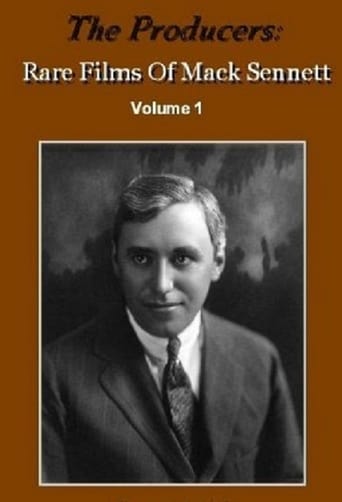
Yes, he appeared in films featuring Charlie Chaplin and worked under Mack Sennett's direction at Keystone Studios, which was instrumental in launching many early film careers.
Why is there limited information about Fred Hibbard?
Limited documentation exists because Hibbard — minor supporting actor during the earliest days of Hollywood, when many actors worked anonymously or without extensive record-keeping, and complete film archives from this period are incomplete.