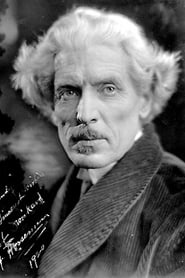
Josef Swickard
Actor
Born: June 26, 1866 in Coburg, Bavaria, Germany Died: February 29, 1940 Active: 1914-1940
Films
20 films
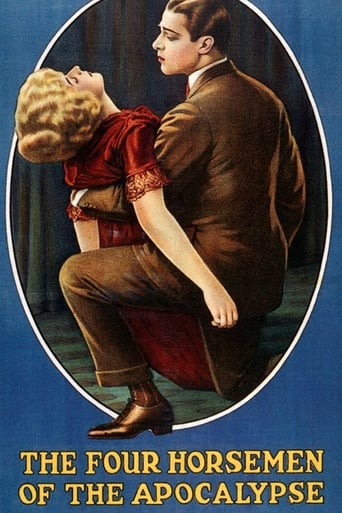
The Four Horsemen of the Apocalypse
1921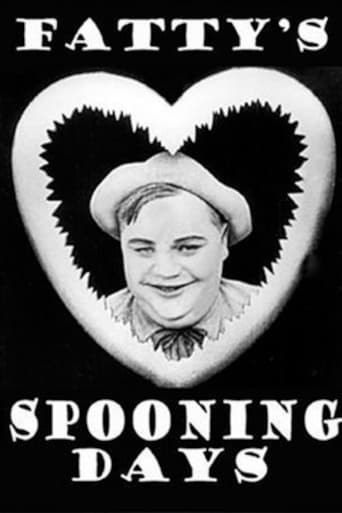
Mabel, Fatty and the Law
1915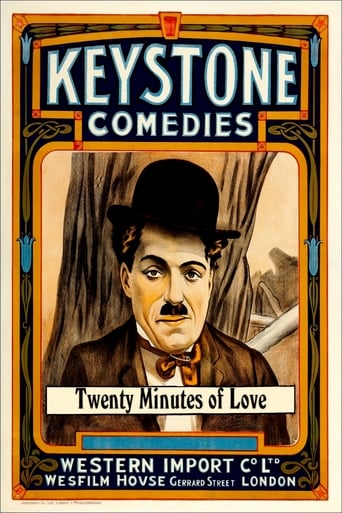
Twenty Minutes of Love
1914
Love, Speed and Thrills
1915
Don Juan
1926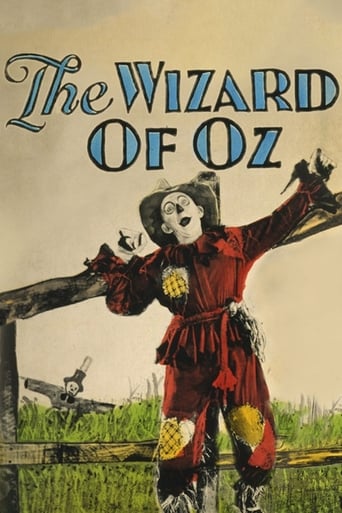
The Wizard of Oz
1925
Love, Loot and Crash
1915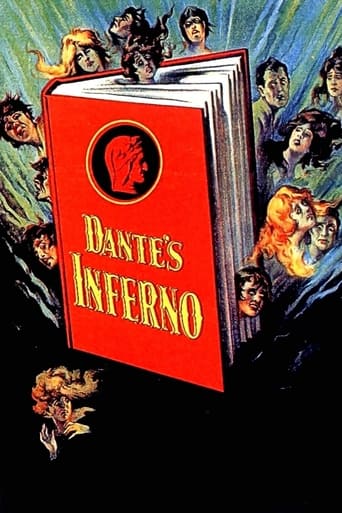
Dante's Inferno
1924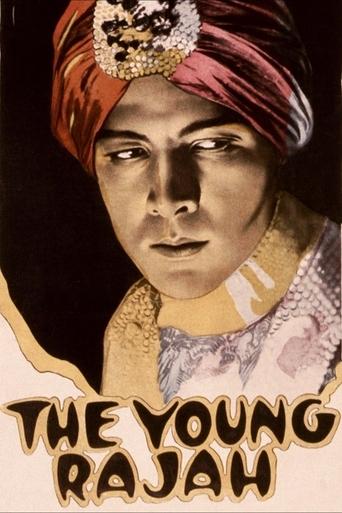
The Young Rajah
1922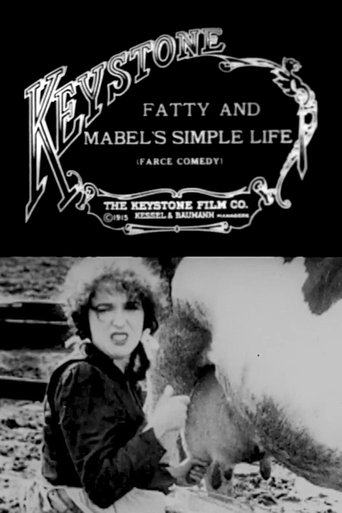
Fatty and Mabel’s Simple Life
1915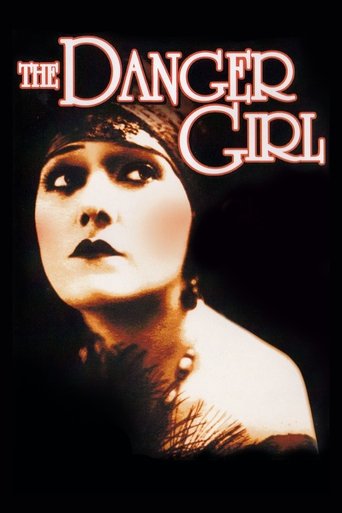
The Danger Girl
1916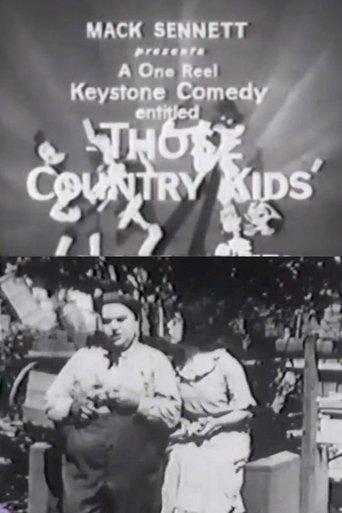
Those Country Kids
1914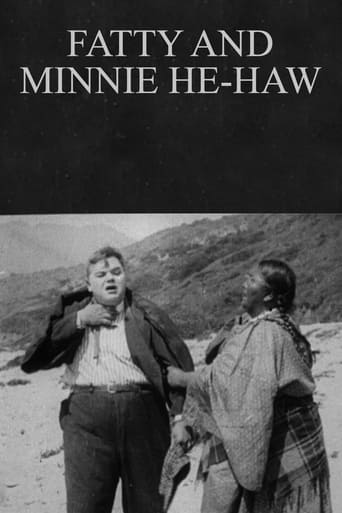
Fatty and Minnie He-Haw
1914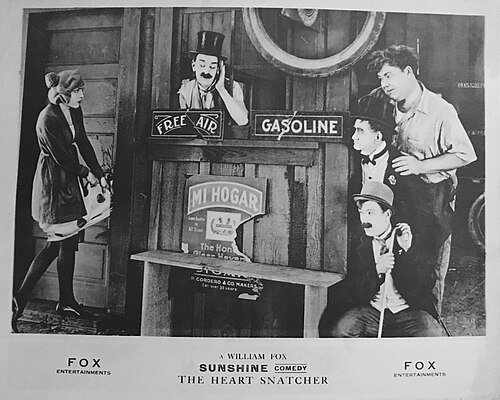
The Heart Snatcher
1920
Old San Francisco
1927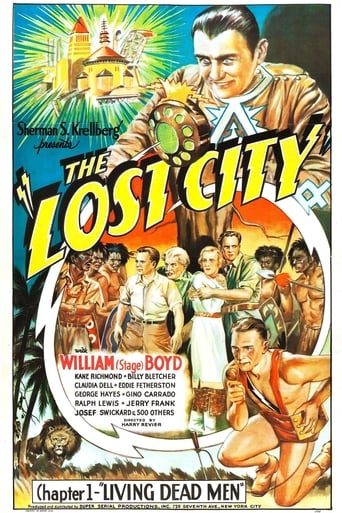
The Lost City
1935
Get Your Man
1927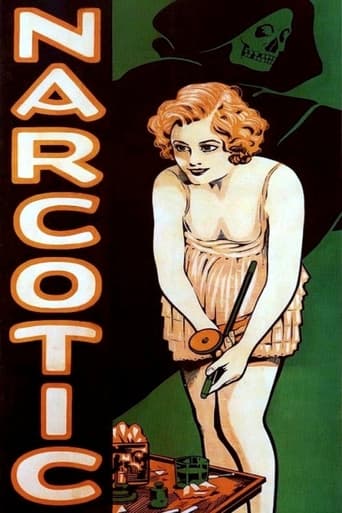
Narcotic
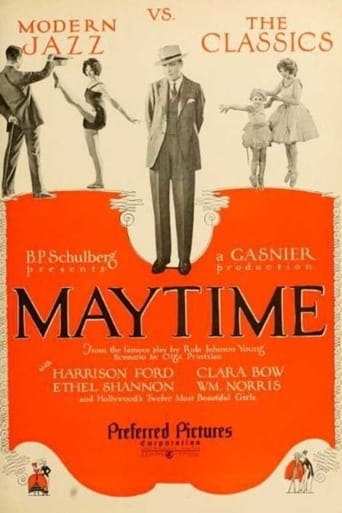
Maytime
1923About Josef Swickard
Prolific German-born character actor who became recognizable faces in American silent cinema and early sound films. Born in Germany in 1866, he immigrated to the United States and began his acting career in theater before transitioning to the burgeoning film industry in the early 1910s. Swickard quickly established himself as a reliable supporting actor, often cast as aristocrats, judges, military officers, and other authority figures due to his appearance and commanding presence. He worked extensively with major comedy stars of the era, including Charlie Chaplin, Fatty Arbuckle, and Harold Lloyd, appearing in numerous Keystone comedies and Mack Sennett productions. Throughout his career spanning over two decades, Swickard appeared in more than 300 films, making him prolific character actors of his time. He successfully made the transition from silent films to talkies, continuing to work steadily until his death in 1940. His remarkable filmography represents a comprehensive cross-section of American cinema from the silent era through the early sound period.
The Craft
On Screen
Swickard was known for his dignified and authoritative screen presence, often playing aristocratic or official figures with a natural gravitas. His acting style was typical of the silent era, emphasizing expressive gestures and facial expressions to convey emotion and character. He had a remarkable ability to switch between dramatic roles and comedic performances, often serving as the straight man to comedy stars. In talkies, his German accent added authenticity to his portrayals of European characters, and he adapted well to the demands of sound acting while maintaining his established screen persona.
Milestones
- Appeared in over 300 films during his career
- Worked with Charlie Chaplin in several early comedies
- Successfully transitioned from silent films to talkies
- Was a regular player at Keystone Studios and Mack Sennett productions
- Played authority figures in numerous films due to his appearance
- Appeared in early sound films including 'Narcotic' (1933)
- Worked with major comedy stars like Fatty Arbuckle and Harold Lloyd
Best Known For
Iconic Roles
Must-See Films
Accolades
Special Recognition
- Hollywood Walk of Fame star (for contributions to motion pictures)
Working Relationships
Worked Often With
Studios
Why They Matter
Impact on Culture
Josef Swickard represents the archetype of the reliable character actor who formed the backbone of early Hollywood cinema. His extensive filmography provides a visual record of the evolution of American film from the silent era through the early sound period. As a German immigrant who achieved success in Hollywood, he contributed to the diverse cultural fabric of early American cinema. His ability to portray authority figures with authenticity helped establish character archetypes that would persist throughout film history. Swickard's work with comedy legends like Chaplin and Arbuckle helped create some of the most influential comedic films of the silent era.
Lasting Legacy
Josef Swickard's legacy lies in his extraordinary productivity and versatility as a character actor during cinema's formative decades. With over 300 film appearances, he exemplifies the unsung heroes who populated classic films and gave them depth and authenticity. His successful career spanning both silent and sound eras demonstrates remarkable adaptability in an industry undergoing rapid technological change. While never a star, Swickard's consistent presence in films of the 1910s, 1920s, and 1930s made him a familiar face to movie audiences of the time. Today, film historians and silent cinema enthusiasts recognize him as an essential figure in understanding the ensemble nature of early Hollywood filmmaking.
Who They Inspired
Swickard influenced subsequent generations of character actors by demonstrating the value of specialization and reliability in supporting roles. His ability to portray authority figures with conviction set a template for character actors specializing in similar roles. His longevity in the business showed that character actors could maintain steady employment by developing a recognizable screen persona and professional reputation. His work in both comedy and drama influenced the understanding that character actors could successfully cross genres. His German heritage and accent in talkies also contributed to the representation of European characters in early American cinema.
Off Screen
Josef Swickard was married to actress Margaret Campbell, who was also a prolific character actress in silent films. The couple often appeared together in films, though they maintained separate professional careers. Swickard was the older brother of actor and director Charles Swickard, with whom he occasionally collaborated. He became a naturalized American citizen and established himself as a permanent fixture in Hollywood's acting community. Despite his prolific career, he maintained a relatively private personal life away from the spotlight.
Education
Limited formal education; trained in theater in Germany before immigrating to the United States
Family
- Margaret Campbell (1915-1940)
Did You Know?
- Born in Coburg, Bavaria, Germany, the same birthplace as Prince Albert of Saxe-Coburg and Gotha
- Appeared in more films than many leading actors of his era despite never being a star
- Often worked uncredited, especially in major films like Chaplin's 'The Kid' and 'The Gold Rush'
- His brother Charles Swickard was both an actor and director in early Hollywood
- Made a successful transition to sound films despite his heavy German accent
- Was married to fellow character actress Margaret Campbell for 25 years until his death
- Worked with virtually every major comedy star of the silent era
- His active years covered the entire transition from silent films to talkies
- Often played the same type of character (authority figures) but managed to make each performance distinct
- Died on leap day, February 29, 1940, making his death date particularly memorable
- Was one of the oldest working actors in Hollywood by the time of his death at age 73
In Their Own Words
I have never been a star, but I have always been employed.
In every film, there must be someone to give the orders, and that someone is often me.
The audience may not know my name, but they know my face, and that is enough.
Working with Chaplin was like being part of history in the making.
Silent films required more acting, not less, because you had to speak with your whole body.
Frequently Asked Questions
Who was Josef Swickard?
Screen credits include over 300 films during the silent era and early sound period. He was known for playing authority figures such as judges, military officers, and aristocrats, working extensively with comedy stars like Charlie Chaplin and Fatty Arbuckle.
What films is Josef Swickard best known for?
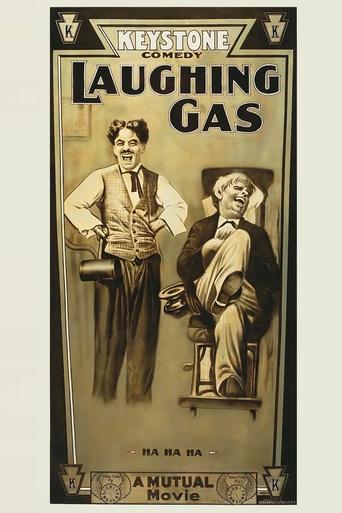
Titles linked here include Laughing Gas (1914), Twenty Minutes of Love (1914).
When was Josef Swickard born and when did he die?
Born June 26, 1866; died February 29, 1940.
What awards did Josef Swickard win?
Josef Swickard did not receive major acting awards during his career, as was common for character actors of his era. However, he was honored with a star on the Hollywood Walk of Fame for his significant contributions to motion pictures and his extensive body of work spanning over 300 films.
What was Josef Swickard's acting style?
Swickard's acting style was characterized by his dignified and authoritative screen presence, perfect for playing judges, military officers, and aristocrats. In silent films, he used expressive gestures and facial expressions typical of the era, while in talkies, his German accent added authenticity to his European character portrayals. He was particularly effective as a straight man in comedies.