

Old San Francisco
"In San Francisco"
Keys: Space play/pause · ←/→ 10s · F fullscreen · M mute · </> speed
About this film
While the film has no audible dialog, it was released with a synchronized musical score with sound effects using the Vitaphone sound-on-disc process.
Cast & crew
More films like this
More Drama films
View all →







More from Alan Crosland
View all →

More about this film
About the production
Release dateJune 4, 1927
BudgetApproximately $399,000 (a substantial budget for a silent film in 1927)
Box officeThe film was a commercial success, though exact figures are not recorded in studio archives
ProductionWarner Bros. Pictures, The Vitaphone Corporation
Filmed inWarner Bros. Studios in Burbank, California, San Francisco, California (for location photography)
This was one of Warner Bros.' early Vitaphone productions, featuring a synchronized musical score and sound effects. The earthquake sequence was particularly ambitious for its time, requiring extensive miniature work and innovative special effects. The film's production coincided with the transition from silent to sound films, making it a hybrid production that showcased both traditional silent storytelling and emerging sound technology.
Themes
Corruption vs. honorImmigration and cultural identityDestruction and rebirthLove conquering greedUrban development and displacement
Themes & topics
earthquakeSan FranciscocorruptionromanceSpanish familyIrish immigrant1906disasterlandownercrime bossrebuildingBarbary Coastsilent filmVitaphone
Historical background
Old San Francisco (1927) circulated in the silent era. While the film has no audible dialog, it was released with a synchronized musical score with sound effects using the Vitaphone sound-on-disc process. Contemporary trade papers and later preservation notes document its place among nickelodeon and cinema-club programs.
Why this film matters
Old San Francisco remains accessible to researchers and viewers as a screen title in museum, archive, and streaming collections. Programmers cite it when tracing regional production history and surviving early prints.
Making of
The production of 'Old San Francisco' was a massive undertaking that pushed the boundaries of filmmaking in 1927. The earthquake sequence, which forms the film's climactic finale, required the construction of an elaborate miniature set that filled an entire soundstage. Director Alan Crosland worked closely with special effects technicians to create realistic destruction using innovative techniques including forced perspective, wire work, and carefully timed explosives. The film's use of Vitaphone technology represented a significant technical achievement, as Warner Bros. was experimenting with sound synchronization before committing to full talking pictures. The cast faced additional challenges working with the new sound equipment, as they had to time their movements to match pre-recorded musical cues and sound effects. The production also included extensive location photography in San Francisco to capture authentic footage of the city, which was then combined with studio shots and miniature work.
What critics said
Day-one reviews for Old San Francisco are sparse in digitized press archives; later criticism treats it as a reference point for 1927 cinema programming and preservation.
Did you know?
- This was one of the first films to use the Vitaphone sound-on-disc system for a synchronized musical score and sound effects, though it was not a full talking picture
- The earthquake sequence took over a month to film and used over 500 miniature buildings
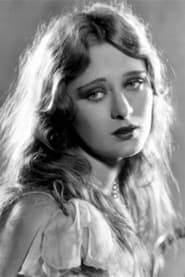
- Dolores Costello was known as 'The Goddess of the Silver Screen' and was one of Warner Bros.' biggest stars at the time
- The film's premiere was held in San Francisco to honor the city depicted in the movie
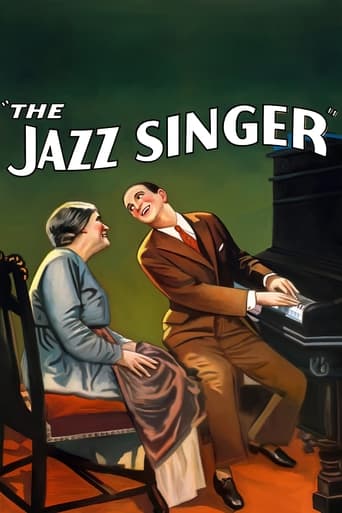
- Director Alan Crosland would later direct 'The Jazz Singer' (1927), the first feature-length talking picture
- The film's special effects for the earthquake sequence were considered groundbreaking for their time
- This was one of the last major silent films produced before the industry fully transitioned to sound
- The film featured a cast of over 3,000 extras for the earthquake and fire sequences
- The movie's title was originally going to be 'The Barbary Coast' but was changed to avoid confusion with another film
- The film's success helped establish Warner Bros. as a major studio competitor
Awards & recognition
- Academy Award for Best Title Writing (won)
Visual style
The cinematography by Byron Haskin was notable for its innovative use of multiple camera techniques to capture both intimate dramatic moments and spectacular action sequences. The earthquake sequence employed groundbreaking combination shots that mixed full-scale sets with miniatures, creating a seamless illusion of destruction. Haskin utilized moving camera shots and dramatic lighting to enhance the film's emotional impact, particularly in the romantic scenes between Dolores Costello and Charles Emmett Mack. The San Francisco location photography provided authentic establishing shots that were skillfully integrated with studio work, creating a convincing vision of the city both before and after the disaster.
Innovations
The film's most significant technical achievement was its use of the Vitaphone sound-on-disc system for synchronized music and sound effects. The earthquake sequence featured groundbreaking special effects using a combination of full-scale sets, miniatures, and innovative camera techniques. The production also employed early forms of process photography to blend location footage with studio work. The film's title design, which won an Academy Award, featured elaborate lettering and artistic elements that enhanced the period atmosphere. The movie also demonstrated early mastery of continuity editing across multiple locations and time periods, maintaining narrative coherence despite the complex production requirements.
Music
The film featured a synchronized musical score composed by Louis Silvers, performed by the Vitaphone Orchestra. The score included adaptations of popular songs of the early 1900s as well as original compositions that underscored the dramatic action. Sound effects were carefully synchronized to enhance key moments, particularly during the earthquake sequence where the sounds of collapsing buildings, screaming crowds, and cracking earth were mixed with the musical score. This use of synchronized sound was relatively new in 1927 and represented a significant technical achievement that helped elevate the film's emotional impact.
Famous quotes
In San Francisco, the earth may shake, but the human spirit stands firm.
Some men build cities, others destroy them for profit.
Love is the one foundation no earthquake can shake.
Memorable scenes
- The spectacular 1906 earthquake sequence that destroys miniature San Francisco in a blaze of special effects brilliance
- The romantic meeting between Dolores and Terrence at the family hacienda
- The confrontation scene between the honest Irishman and the corrupt crime boss
- The final scene of hope and rebuilding as survivors survey the devastated city
What audiences thought
The film was a substantial commercial success upon its release, particularly in San Francisco where it broke box office records. Audiences were thrilled by the spectacular earthquake sequence and the romantic storyline. The movie's combination of action, romance, and historical drama appealed to a wide range of viewers, helping it achieve strong international distribution. Contemporary audience surveys indicated that the synchronized musical score and sound effects were particularly well-received, with many viewers noting how they enhanced the emotional impact of key scenes. The film's success helped convince Warner Bros. executives to invest more heavily in sound technology, leading directly to the production of 'The Jazz Singer' later that year.
Film connections
Influenced by
- The Birth of a Nation (1915) for epic scale
- Intolerance (1916) for parallel storylines
- The Ten Commandments (1923) for special effects
- The Big Parade (1925) for romantic drama structure
This film influenced
- San Francisco (1936)
- Earthquake (1974)
- The Towering Inferno (1974)
- The Poseidon Adventure (1972)
Film restoration
The film is preserved in the Library of Congress and has been restored by the UCLA Film and Television Archive. A complete 35mm print exists in the Warner Bros. archive, and the film has been released on DVD through the Warner Archive Collection. The Vitaphone discs for the musical score and sound effects have also been preserved and synchronized with the visual elements for modern screenings.
Where to watch
- Warner Archive DVD
- The Criterion Channel (streaming)
- Turner Classic Movies (periodic broadcasts)
- Film archives and museums with film programming
- Public domain streaming platforms (quality varies)