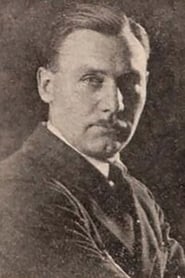
Alan Crosland
Director
Born: August 10, 1894 in New York City, New York, USA Died: July 16, 1936 Active: 1917-1936
Films
12 films


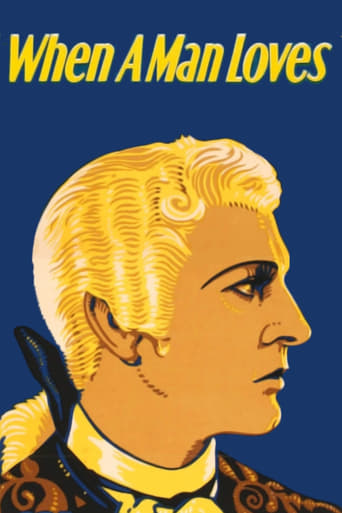
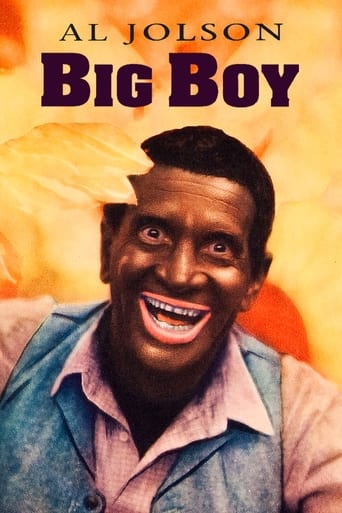
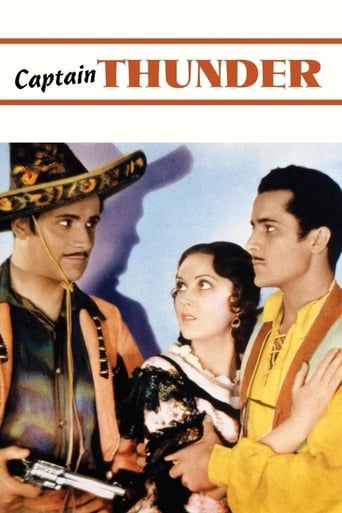
About Alan Crosland
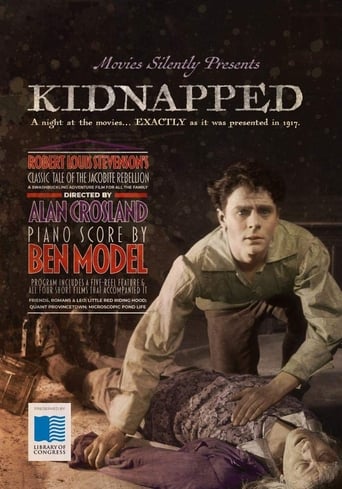
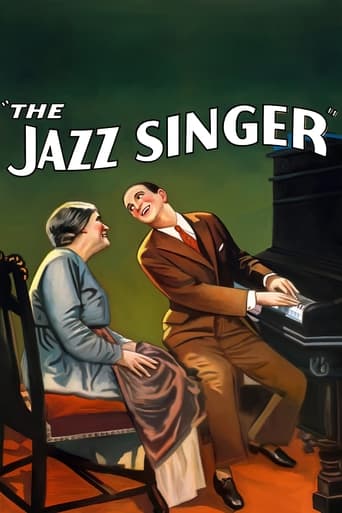
American film director: the critical transitional period from silent cinema to sound pictures. After beginning as a stage actor on Broadway, Crosland transitioned to film directing in 1917 with 'Kidnapped,' quickly establishing himself as a competent director of silent features. Throughout the 1920s, he directed numerous films for various studios, developing a reputation for handling complex productions and working with major stars. His career reached its zenith with 'Don Juan' (1926), which featured synchronized music and sound effects, and more significantly, 'The Jazz Singer' (1927), the revolutionary film that introduced synchronized dialogue and effectively ended the silent era. Crosland continued at the forefront of sound cinema, directing early talkies like 'The Singing Fool' (1928) and 'On with the Show!' (1929), the first all-talking, all-color feature. Despite his relatively short career, Crosland's impact on cinema was profound, as he helped navigate and shape technological revolutions in film history. His work bridged two distinct eras of moviemaking, making him a crucial figure in the transition from silent to sound cinema.
The Craft
Behind the Camera
Technically innovative and forward-thinking, Crosland was known for his ability to embrace and master new cinematic technologies. His directing style adapted seamlessly from the visual storytelling of silent films to the more complex requirements of sound cinema. He demonstrated particular skill in musical sequences and was adept at capturing performances that worked both visually and audibly. Crosland's approach was commercially oriented while maintaining artistic quality, making him valuable to studios during the uncertain transition to talkies.
Milestones
- Directed 'The Jazz Singer' (1927), the first feature film with synchronized dialogue
- Directed 'Don Juan' (1926), the first feature film with synchronized musical score
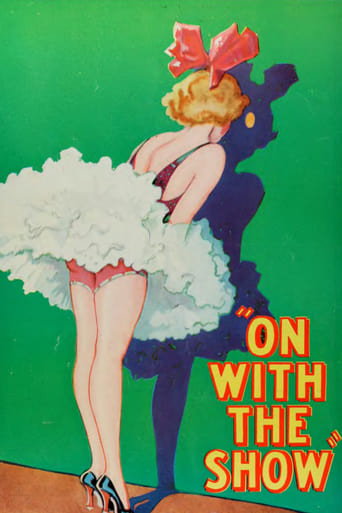
- Directed 'On with the Show!' (1929), the first all-talking, all-color feature film
- Successfully transitioned from silent to sound films during cinema's technological revolution
- Worked with major stars including Al Jolson, John Barrymore, and Myrna Loy
Best Known For
Must-See Films
Accolades
Won
- Academy Award nomination for Best Director for 'The Jazz Singer' (1927) at the 1st Academy Awards
- Special Academy Award for 'The Jazz Singer' as a talking picture (shared with Warner Bros.)
Nominated
- Academy Award nomination for Best Director for 'The Jazz Singer' (1927)
Special Recognition
- Star on the Hollywood Walk of Fame for Motion Pictures
- Inducted into the Directors Guild of America archives as a director of the sound era
Working Relationships
Worked Often With
Studios
Why They Matter
Impact on Culture
Alan Crosland's cultural impact on cinema cannot be overstated, as he directed 'The Jazz Singer,' the film that effectively ended the silent era and revolutionized the motion picture industry. This single film changed the course of cinematic history, making sound an essential component of filmmaking and forcing the entire industry to rapidly adapt to new technology. Crosland's work demonstrated that sound films could be both commercially successful and artistically viable, paving the way for the development of film as an audiovisual medium. His early sound films also helped establish many of the technical and artistic conventions that would define cinema for decades to come, from microphone placement to dialogue recording techniques.
Lasting Legacy
Alan Crosland's legacy is primarily defined by his role as a transitional figure between silent and sound cinema, making him. While his name may not be as widely recognized as some of his contemporaries, his impact on film history is immense, as he helped shape the very medium that would define 20th-century entertainment. His films, particularly 'The Jazz Singer,' are studied in film schools as crucial examples of technological innovation and artistic adaptation. The techniques he developed for early sound filming influenced generations of directors and sound engineers. His son, Alan Crosland Jr., continued the family legacy in Hollywood, directing numerous films and television shows through the mid-20th century.
Who They Inspired
Crosland directly influenced the entire film industry's approach to sound production through his work on early talkies. His successful integration of dialogue, music, and sound effects in 'The Jazz Singer' provided a blueprint for other directors and studios during the chaotic transition to sound. Many directors who followed studied his techniques for capturing performances that worked both visually and audibly. His work with Al Jolson helped establish the musical film as a viable genre, influencing countless subsequent musical productions. The technical innovations developed during his films, particularly in microphone placement and sound recording, became standard industry practices that influenced sound design for decades.
Off Screen
Alan Crosland married actress Elaine Hammerstein in 1925, and they remained married until his death in 1936. Hammerstein was the granddaughter of famed opera impresario Oscar Hammerstein I and had a successful acting career in silent films. The couple had two sons together, Alan Crosland Jr., who would later become a film and television director, and Arthur Crosland. Crosland was known in Hollywood circles as a hardworking professional who was particularly adept at handling the technical challenges of early sound filming. His tragic death in a car accident at age 41 cut short a promising career that was still evolving with the rapidly changing film industry.
Education
Dartmouth College (attended but did not graduate)
Family
- Elaine Hammerstein (1925-1936)
Did You Know?
- Despite directing 'The Jazz Singer,' Crosland himself was not particularly enthusiastic about sound films initially
- He began his career as a stage actor on Broadway before transitioning to film direction
- His son Alan Crosland Jr. Directed over 50 films and hundreds of television episodes
- Crosland died in a car accident on Pacific Coast Highway at age 41
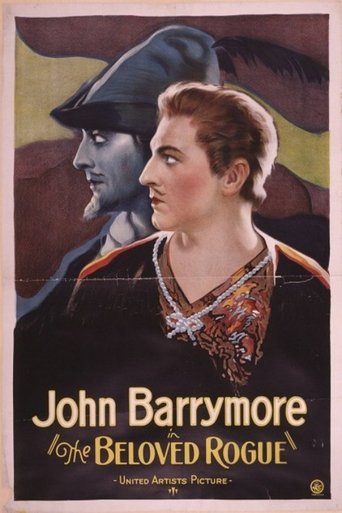
- He directed John Barrymore in the early sound film 'The Beloved Rogue' (1927)
- His film 'Don Juan' (1926) featured the largest orchestral score ever recorded for a film at that time
- He directed the first all-talking, all-color feature film 'On with the Show!' (1929)
- Crosland worked with the Vitaphone sound system, which was Warner Bros.' early sound-on-disc technology
- His film 'The Jazz Singer' was not originally planned to have dialogue sequences
- He was one of the few directors who successfully made the transition from silent to sound films without his career suffering
In Their Own Words
On directing 'The Jazz Singer': 'We knew we were making history, but we had no idea how completely it would change the industry'
On the transition to sound: 'The challenge wasn't just making pictures with sound, but making pictures that needed sound to be complete'
On working with Al Jolson: 'Jolson understood instinctively how to project his personality through both sight and sound'
Frequently Asked Questions
Who was Alan Crosland?
American on YTB.my. He is most famous for directing 'The Jazz Singer' (1927), the first feature film with synchronized dialogue, which effectively ended the silent era and revolutionized the film industry.
What films is Alan Crosland best known for?
Titles linked here include The Jazz Singer (1927), Don Juan (1926).
When was Alan Crosland born and when did he die?
Born August 10, 1894; died July 16, 1936.
What awards did Alan Crosland win?
Crosland received an Academy Award nomination for Best Director for 'The Jazz Singer' at the 1st Academy Awards in 1929. The film also received a Special Academy Award as a talking picture, which was shared with Warner Bros. He also has a star on the Hollywood Walk of Fame.
What was Alan Crosland's directing style?
Crosland was known for his technical innovation and adaptability, particularly during the transition from silent to sound films. His style was commercially oriented while maintaining artistic quality, and he demonstrated particular skill in musical sequences and capturing performances that worked both visually and audibly.
How did Alan Crosland impact cinema history?
Crosland had a profound impact on cinema history by directing 'The Jazz Singer,' which effectively ended the silent era and ushered in the age of sound films. His work with early sound technology helped establish many technical and artistic conventions that would define cinema for decades.
Who were Alan Crosland's frequent collaborators?
Crosland frequently worked with Al Jolson, directing him in both 'The Jazz Singer' and 'The Singing Fool.' He also collaborated with John Barrymore on 'The Beloved Rogue' and worked extensively with Warner Bros. During their sound experiments. His son Alan Crosland Jr. Later became a director, continuing the family legacy in Hollywood.