

The Flapper
"Teen ritzy boarding school gets"
Keys: Space play/pause · ←/→ 10s · F fullscreen · M mute · </> speed
About this film
A Southern teen at a ritzy boarding school gets into mischief while acting the sophisticated grownup to impress a suave gentleman and match wits with a pair of jewel thieves.
Cast & crew
More films like this
More Comedy films
View all →







More from Alan Crosland
View all →

More about this film
About the production
Release dateMay 10, 1920
ProductionMyron Selznick Pictures, Select Pictures Corporation
Filmed inNew York City, Fort Lee, New Jersey
The Flapper was one of the first films to explicitly capitalize on and help define the flapper phenomenon that was sweeping America in the post-WWI era. The film was produced quickly to ride the wave of interest in the new modern young woman archetype. Olive Thomas, already a major star, was perfectly cast as she embodied the flapper spirit both on and off screen. The production faced some challenges due to the relatively new concept of the flapper character, requiring careful balance between comedy and social commentary.
Themes
Youth rebellionComing of ageSocial class differencesAppearance vs. RealityFemale independence
Themes & topics
Historical background
The Flapper (1920) emerged during late silent cinema and the transition toward sound, when exhibition habits and national film industries were still taking shape.
Why this film matters
The Flapper remains accessible through digital archives, giving modern viewers a direct link to 1920 screen culture.
Making of
The production of 'The Flapper' was a relatively quick affair, typical of the rapid production schedules of the silent era. Olive Thomas, at the height of her fame, brought tremendous energy to the set and was known for her professionalism despite her wild reputation off-screen. The film's director, Alan Crosland, was still early in his career but showed a keen understanding of how to capture the modern spirit of the Roaring Twenties. The boarding school scenes were filmed on carefully constructed sets that aimed to portray the contrast between traditional Southern values and Northern sophistication. Thomas's chemistry with co-star William P. Carleton was genuine, and the two developed a friendship during filming. The jewel thief subplot required several stunt sequences, which Thomas performed herself, demonstrating her athletic abilities and fearlessness as an actress. The film's costume designer worked closely with Thomas to create looks that would be both fashionable and authentic to the emerging flapper style, helping to set trends that would influence women's fashion throughout the decade.
What critics said
Where contemporary reviews survive, The Flapper is discussed in terms of audience appeal at release; later criticism often reframes it through archive restoration and festival programming.
Did you know?
- This was Olive Thomas's final film released before her tragic death in September 1920 at age 25.
- The film is considered one of the earliest examples of the 'flapper' genre in cinema, helping to codify the archetype for audiences.
- Olive Thomas was married to Jack Pickford, Mary Pickford's brother, and was part of Hollywood royalty at the time.
- The film's success led to a sequel 'The Adventuress' (1920), also starring Thomas, released shortly after her death.
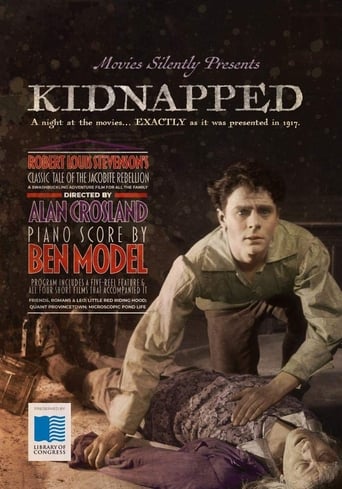
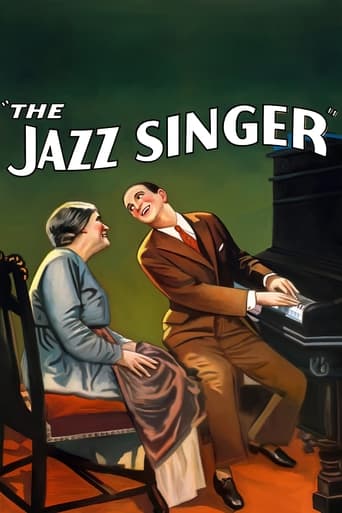
- Director Alan Crosland would later direct 'The Jazz Singer' (1927), the first feature-length 'talkie'.
- The film was shot at the former Biograph Studios in the Bronx and at Fort Lee, New Jersey, before the film industry fully migrated to Hollywood.
- Olive Thomas's costumes in the film were designed by Lady Duff-Gordon, a famous fashion designer of the era.
- The film's title character helped popularize the term 'flapper' across America, though the word had been in use since the early 1900s.
- Thomas received $3,000 per week for this film, an enormous salary for the time, reflecting her star status.
- The film includes several scenes of actual dancing from the period, including the foxtrot and other popular dances of the Jazz Age.
Visual style
The cinematography of 'The Flapper' was handled by Arthur Edeson, who would later become one of Hollywood's most respected cinematographers. The film employs the relatively static camera work typical of 1920 productions but shows emerging sophistication in its use of lighting and composition. The boarding school scenes are shot with bright, even lighting to convey the respectable facade, while the night scenes involving the jewel thieves use more dramatic lighting with deeper shadows to create suspense. Edeson uses medium shots effectively to capture Thomas's expressive face and the elaborate costumes that were central to the film's appeal. The dance sequences feature more dynamic camera movement, with some tracking shots that follow the characters across the dance floor, demonstrating the technical advances being made in cinematography during this period. The film's visual style balances the clean, bright look of comedy with the darker, more shadowy aesthetics of the mystery elements, creating a varied visual palette that keeps the audience engaged.
Innovations
While 'The Flapper' was not a film in terms of technical innovation, it demonstrated several important technical capabilities of early cinema. The film used multiple location shoots, which was still relatively uncommon in 1920, showing the industry's move away from exclusively studio-based productions. The costume design and makeup techniques were particularly sophisticated for the time, with careful attention paid to creating the authentic flapper look that would influence fashion trends. The film's editing showed growing sophistication in pacing and rhythm, particularly in the comedy sequences where timing was crucial. The lighting techniques used to differentiate between the respectable school scenes and the more dangerous encounters with criminals demonstrated an emerging understanding of how visual elements could support storytelling. The film also made effective use of intertitles to convey dialogue and exposition, with the text designed to match the modern, energetic tone of the story.
Music
As a silent film, 'The Flapper' would have been accompanied by live musical performance during its original theatrical run. The typical presentation would have featured a theater organist or small orchestra playing appropriate music to enhance the mood of each scene. For the comedy scenes, lively ragtime and popular songs of 1920 would have been used, while the romantic moments would have featured slower, more sentimental pieces. The jewel thief sequences would have been accompanied by dramatic, suspenseful music to build tension. While no official score was composed for the film, theater musicians would have drawn from standard compilations of silent film music and popular tunes of the era. Some modern screenings of restored versions of the film have featured newly composed scores by silent film accompanists who attempt to recreate the musical experience of 1920 audiences, using authentic period instruments and musical styles.
Famous quotes
I may be only sixteen, but I know what I want!" - Ginger
A girl's got to have some fun in this world, hasn't she?" - Ginger
You think because I'm from the South I'm some kind of country bumpkin?" - Ginger
There's more to me than meets the eye, Mr. Banning." - Ginger
I'd rather be a flapper and have fun than be proper and be bored!" - Ginger
Memorable scenes
- The opening sequence where Ginger arrives at the boarding school with her modern clothes and attitude, shocking the conservative headmistress and fellow students
- The dance scene where Ginger attempts to impress Thomas Banning with her sophisticated dancing skills, resulting in a comical but charming display
- The midnight rendezvous scene where Ginger secretly meets with the jewel thieves, thinking they are sophisticated socialites
- The climactic chase sequence through the school grounds as Ginger helps capture the criminals while maintaining her cover
- The final scene where Ginger's transformation from naive Southern girl to confident young woman is fully realized
What audiences thought
The Flapper — commercial success upon its release, particularly popular with young audiences who saw themselves reflected in Olive Thomas's character. The film reportedly did especially well in urban areas where the flapper lifestyle was more prevalent. Young women flocked to theaters to see Thomas's fashion and behavior, often returning multiple times to study her costumes and mannerisms. The film's popularity helped cement Olive Thomas's status as one of the biggest stars of the early 1920s. Audience reaction was generally enthusiastic, with many viewers finding the film's portrayal of teenage rebellion both entertaining and relatable. The movie's success at the box office demonstrated to studios that films focusing on youth culture and modern social trends could be highly profitable, influencing production decisions throughout the decade. The tragic death of Olive Thomas shortly after the film's release only increased its mystique and popularity, with many fans revisiting the theater to see what would be one of her final performances.
Film connections
Influenced by
- The earlier 'vamp' characters played by Theda Bara
- Stage plays about boarding school life
- Contemporary newspaper stories about flappers
- The works of F. Scott Fitzgerald (though published later)
- British drawing-room comedies
- Silent film comedies of the 1910s
This film influenced
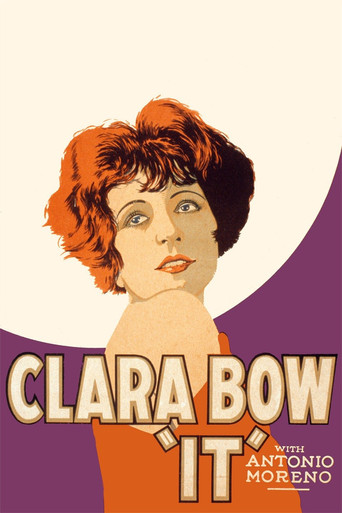
- It
- starring Clara Bow
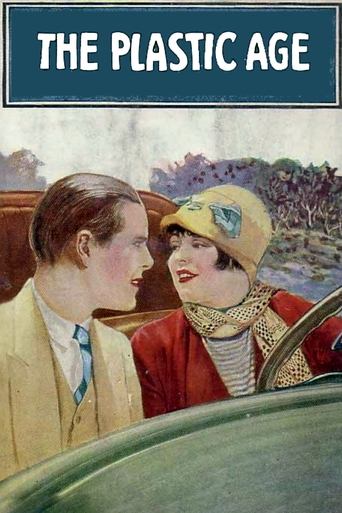
- The Plastic Age
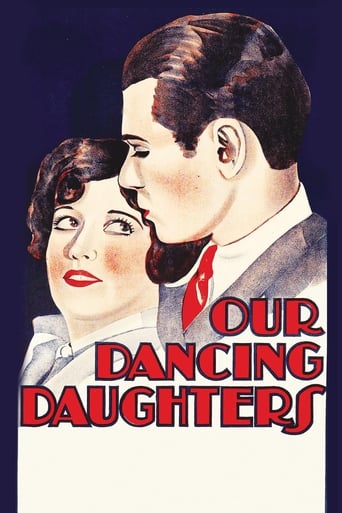
- Our Dancing Daughters
- Flaming Youth
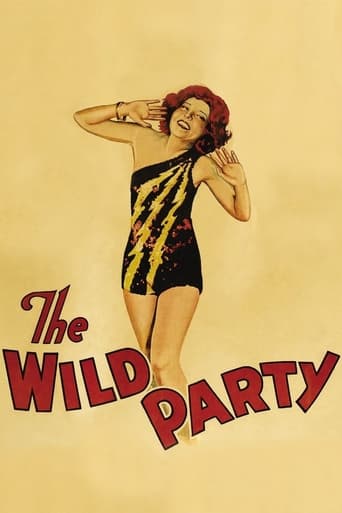
- The Wild Party
- numerous other flapper films of the 1920s
Film restoration
The Flapper is considered a partially lost film, with only incomplete prints surviving in various archives. However, significant portions of the film exist and have been preserved by several institutions including the Library of Congress and the Museum of Modern Art. Some scenes are missing or exist only in fragmentary form, but enough of the film survives to provide a clear understanding of its story and significance. The surviving elements have been restored to varying degrees of quality, with some portions showing considerable deterioration typical of nitrate film from this period. The George Eastman Museum holds. Efforts continue to locate and preserve any remaining fragments of the film in archives and private collections worldwide.
Where to watch
- The film is available on DVD from several specialty silent film distributors
- Can be viewed through streaming services specializing in classic cinema such as The Criterion Channel (availability varies)
- Screenings occasionally occur at film festivals and museums specializing in silent cinema
- Some public domain versions may be available on internet archives and classic film websites
- The film is sometimes included in educational collections about 1920s cinema and women's history