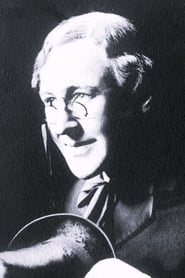
Warren Cook
Actor
Born: June 23, 1878 in Boston, Massachusetts, USA Died: May 5, 1939 Active: 1915-1920
Films
7 films


About Warren Cook
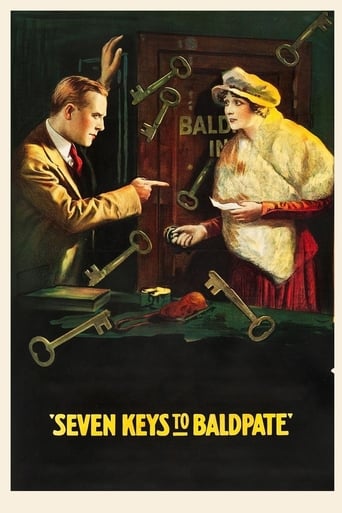
Character actor of the American silent film era,: the crucial transitional years of cinema's development from 1915 to 1920. Born in Boston in 1878, Cook entered films relatively late in life compared to many of his contemporaries, bringing mature gravitas to his supporting roles. He worked primarily with Fox Film Corporation and other major studios of the period, appearing in numerous productions that showcased his versatility as a character actor. Cook was particularly prolific in 1917, appearing in several notable films including 'Seven Keys to Baldpate' and 'The Pride of the Clan,' often portraying authority figures, businessmen, or paternal characters. His screen presence was characterized by a dignified bearing and expressive features that translated well to the silent medium. Cook worked alongside many of the era's biggest stars, though he remained primarily a supporting player throughout his career. His film career concluded around 1920, coinciding with the industry's shift toward more sophisticated feature films and the eventual transition to sound.
The Craft
On Screen
As a character actor of the silent era, Cook employed the exaggerated yet controlled physical acting style typical of the period, using deliberate gestures and facial expressions to convey character and emotion to audiences without dialogue. His mature screen presence allowed him to portray authority figures and paternal characters with natural gravitas, relying on subtle yet clear physical storytelling techniques developed through stage experience.
Milestones
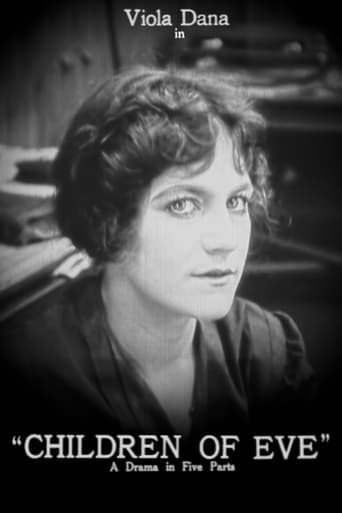
- Film debut in 'Children of Eve' (1915)
- Prolific year in 1917 with multiple major releases
- Supporting roles in Fox Film Corporation productions
- Work with prominent silent era directors
- Character roles alongside major stars like Mary Pickford
Best Known For
Iconic Roles
Must-See Films
Working Relationships
Worked Often With
Studios
Why They Matter
Impact on Culture
Warren Cook contributed to the development of character acting in American cinema during its formative years, helping establish the importance of supporting players in narrative storytelling. His work during the silent era demonstrated how mature character actors could provide essential depth and credibility to film productions, a tradition that would become increasingly important as cinema evolved into a more sophisticated art form. Cook's appearances in films alongside major stars of the era helped create the template for the ensemble casts that would become standard in Hollywood productions.
Lasting Legacy
Though his career was relatively brief, Warren Cook represents the generation of mature character actors who helped legitimize cinema as a serious artistic medium during the silent era. His filmography, preserved in classics like 'Seven Keys to Baldpate' and 'The Pride of the Clan,' serves as a valuable record of early American film acting techniques and the development of character archetypes in cinema. Cook's work exemplifies the crucial role that supporting actors played in building the foundation of Hollywood's golden age, even when their names were not featured prominently in marketing materials.
Who They Inspired
As a character actor of the silent era, Cook influenced subsequent generations of supporting players by demonstrating the importance of bringing depth and credibility to secondary roles. His ability to convey complex character traits through physical performance helped establish techniques that would be refined by later character actors in both silent and sound films. Cook's work in ensemble casts contributed to the development of the balanced storytelling approach that would become a hallmark of classic Hollywood cinema.
Off Screen
Warren Cook maintained a relatively private personal life away from the public eye, which was common for character actors of his era. He was born into a Boston family and entered the film industry after establishing himself in other pursuits, bringing life experience to his mature roles. Cook's later years were spent away from the film industry, as was common for many silent era actors whose careers ended before the transition to sound. He passed away in 1939 at the age of 60, having witnessed the dramatic transformation of the film industry he had briefly been part of.
Did You Know?
- Began his film career at the relatively advanced age of 37
- Was particularly prolific in 1917, appearing in at least four major releases
- Often played characters older than his actual age due to his dignified appearance
- His film career coincided with America's entry into World War I
- Worked during the transitional period when cinema shifted from short films to features
- Appeared in films with some of the biggest stars of the silent era including Mary Pickford
- His career ended before the transition to sound films began
- Many of his films are now considered lost, a common fate for silent era productions
- Was part of the generation of actors who helped establish Hollywood as the center of American film production
- His mature appearance made him particularly valuable for roles requiring authority or wisdom
Frequently Asked Questions
Who was Warren Cook?
American character with credits in this catalog. He was known for his mature screen presence and often portrayed authority figures, businessmen, and paternal characters in films of the 1910s.
What films is Warren Cook best known for?
Titles linked here include Children of Eve (1915), The Pride of the Clan (1917).
When was Warren Cook born and when did he die?
Born June 23, 1878; died May 5, 1939.
What awards did Warren Cook win?
Warren Cook did not receive any major awards or nominations during his career, which was common for character actors of the silent era. The Academy Awards were not established until 1929, after his film career had already concluded.
What was Warren Cook's acting style?
Cook employed the physical acting style typical of silent era performers, using exaggerated gestures and facial expressions to convey emotion and character. His mature presence allowed him to portray authority figures with natural gravitas, relying on clear physical storytelling techniques developed through his life experience.
Why did Warren Cook's career end in 1920?
Cook's career ended around 1920, a common fate for many character actors of the silent era. The film industry was undergoing significant changes with the shift toward more sophisticated feature productions and the eventual transition to sound, which often displaced older character actors.
Did Warren Cook work with any famous directors or actors?
Yes, Cook worked with prominent directors of the era including John B. O'Brien and Maurice Tourneur, and appeared in films alongside major stars like Mary Pickford. Though primarily in supporting roles, he was part of ensemble casts in some of the most significant films of the late 1910s.