
The Whip
"Training a champion racehorse against sabotage"
Keys: Space play/pause · ←/→ 10s · F fullscreen · M mute · </> speed
About this film
The story of the training of a racehorse, the Whip, of the amnesiac nobleman who loves the horse, and of the villains who attempt to keep it from racing.
Cast & crew
More films like this
More Drama films
View all →







More from Maurice Tourneur
View all →
More about this film
About the production
Release dateMarch 5, 1917
Box officeUnknown
ProductionParagon Films
Filmed inFort Lee, New Jersey
The Whip was produced during the peak of Fort Lee, New Jersey's prominence as a film production center before the industry fully migrated to Hollywood. Director Maurice Tourneur was known for his artistic visual style and attention to detail, which likely influenced the production's quality. The film featured actual racehorse footage, requiring careful coordination with animal handlers and potentially filming at legitimate racetracks of the era.
Themes
Themes & topics
Historical background
Silent-era audiences encountered The Whip around 1917, as studios refined cross-cutting and star-driven storytelling.
Why this film matters
The Whip shows how silent filmmakers conveyed plot through gesture, title cards, and editing.
Making of
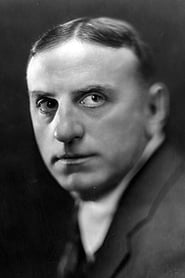
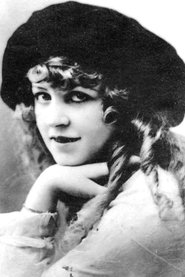
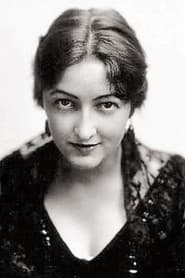
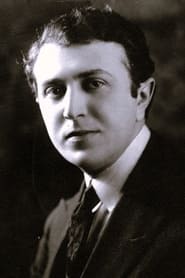
The production of 'The Whip' took place during a transitional period in American cinema, when many studios were still operating out of the East Coast before the complete migration to Hollywood. Director Maurice Tourneur, having established himself as a respected filmmaker in France before moving to America, brought a sophisticated European approach to his American productions. The filming of race scenes presented significant technical challenges in 1917, requiring innovative camera mounting techniques and careful choreography to capture the excitement of horse racing safely. The cast included Alma Hanlon, who was rising in popularity during this period, and June Elvidge, who was known for her work in dramatic roles. Irving Cummings, who would later transition to directing, brought his experience as an actor to the production. The film's production likely benefited from Tourneur's reputation for creating visually compelling narratives with artistic merit, helping to elevate what could have been a standard genre picture into something more memorable.
What critics said
Press notices for The Whip (1917) are sparse in digitized sources; interest today rests on preserved prints and comparison with related titles.
Did you know?
- The Whip was based on a popular stage play of the same name by Wilson Barrett and Cecil Raleigh
- Director Maurice Tourneur was a French filmmaker who brought European artistic sensibilities to American cinema
- The film was produced in Fort Lee, New Jersey, which was a major film production hub before Hollywood's dominance
- Irving Cummings, who appears in the film, would later become a prominent director himself, directing films like 'The Story of Alexander Graham Bell'
- The film featured real racehorses, which was challenging to film in the era before modern safety equipment and animal welfare regulations
- 1917 was the year the United States entered World War I, which may have influenced the film's themes of identity and patriotism
- Silent films of this era typically had live musical accompaniment, with theaters providing orchestras or organists
- The Whip was part of a wave of horse racing-themed films that were popular in the 1910s
- Maurice Tourneur was known for his innovative camera techniques and visual compositions, which likely elevated this production
- The film's survival status is uncertain, as many films from this period have been lost due to the unstable nature of early film stock
Visual style
The cinematography of The Whip, while not extensively documented, would have reflected Maurice Tourneur's known artistic sensibilities and the technical capabilities of 1917 filmmaking. Tourneur was recognized for his innovative use of camera movement, composition, and lighting to create mood and enhance storytelling. The race sequences likely employed early tracking techniques and multiple camera positions to capture the excitement of the sport, which was technically challenging for the period. The film probably utilized natural lighting for exterior scenes, particularly those involving the racehorse, while interior scenes would have been lit using the artificial lighting methods of the era. Tourneur's background in art and his European training likely influenced the visual style, resulting in carefully composed frames and attention to pictorial quality that elevated the film beyond standard genre productions of the time.
Innovations
The Whip demonstrated several technical achievements typical of quality productions in 1917. The filming of authentic horse racing sequences represented a significant technical challenge, requiring innovative camera mounting techniques and careful coordination between the film crew and animal handlers. Maurice Tourneur was known for his experimentation with camera movement and lighting techniques, which likely contributed to the film's visual sophistication. The production may have employed early forms of location shooting, taking advantage of actual racetrack settings rather than relying entirely on studio sets. The film's editing, particularly during race sequences, would have required precise cutting to maintain excitement and clarity of action. While specific technical innovations for this particular film are not extensively documented, it benefited from the rapid technological advancements occurring in cinema during the 1910s.
Music
As a silent film, The Whip would have been accompanied by live music during its theatrical screenings. The typical practice in 1917 involved theaters employing either full orchestras, smaller ensembles, or skilled organists to provide musical accompaniment. The score would have been compiled from various sources, including classical pieces, popular songs of the era, and specially composed cues matched to the on-screen action. For dramatic moments, the music would have been somber and emotional, while the race sequences would have featured lively, rhythmic compositions to enhance the excitement. The exact musical selections used for The Whip are not documented, but they would have followed the conventions of silent film accompaniment, with the music playing a crucial role in conveying emotion and driving the narrative forward in the absence of dialogue.
Famous quotes
A horse never lies - his heart is always true to the track
Memory may fade, but the spirit of the race never dies
In the thunder of hooves, forgotten souls remember their purpose
Memorable scenes
- The climactic race sequence where The Whip competes against all odds, with the amnesiac nobleman watching from the sidelines as fragments of his memory return with each thundering hoofbeat
What audiences thought
Audiences of 1917 responded positively to The Whip, particularly enjoying its combination of dramatic storytelling and the excitement of horse racing sequences. The film's themes of lost identity and redemption resonated with contemporary viewers, who were dealing with the uncertainties of a world at war. The popularity of horse racing as a spectator sport helped draw audiences to the film, as did the reputations of its director and cast. Movie theaters of the era often enhanced the viewing experience with live musical accompaniment, which would have amplified the emotional impact of key scenes. The film's success contributed to the growing recognition of Maurice Tourneur as a director capable of delivering both popular entertainment and artistic quality, helping to establish his reputation in the American film industry.
Film connections
Influenced by
- Stage play 'The Whip' by Wilson Barrett and Cecil Raleigh
- European cinematic traditions
- American horse racing culture
- Silent era dramatic conventions
This film influenced
- Later horse racing films
- Dramas involving memory loss
- Sports-themed silent films
Film restoration
The preservation status of The Whip (1917) is uncertain, and it is considered a lost film by many film archives. Like many films from this era, it may have been lost due to the deterioration of nitrate film stock or the destruction of prints in studio vault clearances. No complete copies are known to exist in major film archives, though fragments or still images may survive in private collections or museum holdings.
Where to watch
- Due to its lost film status, The Whip is not currently available for viewing through any commercial or archival channels. Film enthusiasts may be able to find still images, promotional materials, or written descriptions in film history books, silent film databases, or museum collections specializing in early cinema.