
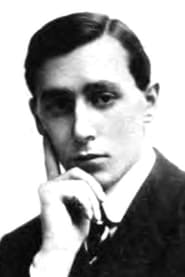
Dion Titheradge
Actor
Born: March 30, 1889 in Manchester, England Died: November 16, 1934 Active: 1910-1934
Films
1 film
About Dion Titheradge
Dion Titheradge (1889-1934) was a multi-talented British entertainer who made his mark as an actor, playwright, and lyricist during the early 20th century. Born into a theatrical family, he began his career on the stage before transitioning to film work, appearing in the 1917 British silent film 'The Whip.' While his acting career was relatively brief, Titheradge found greater success as a writer, penning numerous popular plays and musical comedies that were staged in London's West End and on Broadway. His works were known for their wit, charm, and sophisticated humor, appealing to theater audiences of the 1920s and early 1930s. Titheradge's plays often featured strong comedic elements and memorable musical numbers, showcasing his versatility as a creative artist. Despite his untimely death at age 45, his contributions to both stage and early cinema left a lasting impression on British entertainment. His legacy continues through revivals of his most successful works and his influence on subsequent generations of musical theater writers.
The Craft
On Screen
Classical stage training with transition to silent film performance, characterized by expressive gestures and dramatic presence typical of the era
Milestones
- Appeared in 'The Whip' (1917)
- Wrote the hit play 'The Merry Widow' adaptation
- Created successful West End musical comedies
- Penned lyrics for popular songs of the 1920s
- Had multiple plays produced on Broadway
Best Known For
Iconic Roles
Must-See Films
Accolades
Special Recognition
- West End theatrical legacy
- Broadway productions of his works
Working Relationships
Worked Often With
Studios
Why They Matter
Impact on Culture
Dion Titheradge contributed significantly to British musical theater during the transitional period between World War I and World War II. His plays and musical comedies helped define the sophisticated entertainment style of the 1920s, blending wit, romance, and memorable music. While his film work was limited to silent cinema, his stage productions continued to entertain audiences well into the sound era. Titheradge's ability to craft both dialogue and lyrics made him a valuable contributor to the golden age of British musical theater. His works reflected the changing social attitudes of the interwar period while maintaining the charm and elegance that characterized the era's popular entertainment.
Lasting Legacy
Dion Titheradge's legacy lives on through his contributions to musical theater and his brief but notable appearance in early British cinema. His plays continued to be revived and adapted long after his death, testament to their enduring appeal. The sophistication and wit of his writing influenced subsequent generations of British playwrights and lyricists. While he may be less remembered today than some of his contemporaries, Titheradge played an important role in the development of musical comedy as a theatrical form. His work represents an important bridge between the Victorian music hall tradition and the more modern musical theater that would emerge in the mid-20th century.
Who They Inspired
Titheradge influenced British musical theater through his clever integration of comedy, romance, and music. His writing style demonstrated how dialogue and lyrics could work together to create cohesive theatrical experiences. The success of his plays in both London and New York helped establish transatlantic standards for musical comedy production. His ability to adapt to changing audience tastes while maintaining theatrical elegance provided a model for subsequent theater creators. The professional approach he brought to both writing and occasional acting set standards for multi-talented entertainers in the British entertainment industry.
Off Screen
Dion Titheradge was born into a prominent theatrical family and married actress Marie Kendall in 1915. His father, George Titheradge, was a well-known Shakespearean actor, which provided Dion with early exposure to the entertainment industry. Despite his relatively short life, he maintained a prolific career in theater and occasionally film. Titheradge was known for his wit and charm, qualities that were reflected in his written works. He passed away at the age of 45 in 1934, leaving behind a legacy of popular stage productions.
Education
Educated in England with early theatrical training from his father's influence
Family
- Marie Kendall (1915-1934)
Did You Know?
- Came from a theatrical family with his father being a famous Shakespearean actor
- Was more successful as a playwright than as an actor
- His works were popular in both London's West End and on Broadway
- Wrote during the golden age of British musical theater
- Married actress Marie Kendall, who was a well-known music hall star
- His active years covered the transition from silent to sound films
- Died relatively young at age 45
- His plays often featured strong female characters
- Contributed to the development of modern musical comedy
- His work reflected the social changes of the interwar period
In Their Own Words
The stage is not merely a place for entertainment, but a mirror to society's changing face
A good comedy must have wit, but great comedy must have heart
In theater, as in life, timing is everything
The best songs tell stories that words alone cannot express
Frequently Asked Questions
Who was Dion Titheradge?
British entertainer who worked as an with credits in this catalog. While he appeared in the 1917 silent film 'The Whip,' he was primarily known for his successful career writing musical comedies and plays for both London's West End and Broadway.
What films is Dion Titheradge best known for?
Titles linked here include The Whip (1917).
When was Dion Titheradge born and when did he die?
Born March 30, 1889; died November 16, 1934.
What awards did Dion Titheradge win?
While there are no recorded formal awards for Dion Titheradge, his success was measured by the popularity and longevity of his theatrical productions in both London and New York.
What was Dion Titheradge's acting/writing style?
As an actor, Titheradge employed the expressive, gestural style typical of the silent film era. As a writer, he was known for sophisticated wit, charm, and the seamless integration of comedy with memorable musical numbers, reflecting the elegant entertainment style of the 1920s and early 1930s.
How did Dion Titheradge influence musical theater?
Titheradge influenced musical theater by demonstrating how dialogue and lyrics could work together to create cohesive theatrical experiences. His successful productions in both London and New York helped establish standards for musical comedy during the interwar period.
Was Dion Titheradge related to other entertainers?
Yes, Dion Titheradge came from a theatrical family. His father, George Titheradge, was a well-known Shakespearean actor, and he married Marie Kendall, a popular music hall star of the era.
Why is Dion Titheradge less remembered today?
Dion Titheradge is less remembered today because his career peaked during the transitional period between silent and sound cinema, and his primary contributions were to stage theater rather than film. Additionally, his early death at age 45 limited the duration of his creative output.