
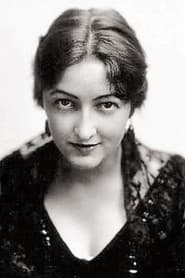
June Elvidge
Actor
Born: June 30, 1893 in St. Paul, Minnesota, USA Died: December 3, 1965 Active: 1915-1925
Films
4 films

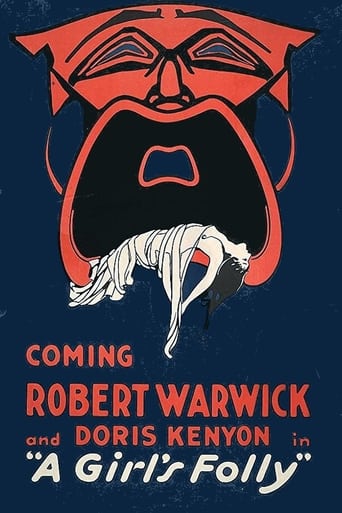

About June Elvidge
prominent American silent film actress who rose to fame during the late 1910s and early 1920s — known for her sophisticated and often vamp-like portrayals in melodramas and romantic films. Born in St. Paul, Minnesota, she began her acting career on the stage before transitioning to motion pictures with the World Film Corporation in 1917. Elvidge quickly established herself as a leading lady, appearing in numerous productions for various studios including Paramount and Famous Players-Lasky. Her most notable period was from 1917 to 1922, during which she starred in films such as 'A Girl's Folly,' 'The Whip,' 'Beyond the Rocks' opposite Rudolph Valentino and Gloria Swanson, and 'Beauty's Worth.' Despite her popularity during the silent era, her career declined with the advent of sound films, and she made her final screen appearances in the mid-1920s. Elvidge's sophisticated screen presence and ability to portray complex, often morally ambiguous characters made her a memorable figure of the silent cinema era.
The Craft
On Screen
June Elvidge was known for her sophisticated and refined acting style, often portraying elegant, worldly women with complex moral dimensions. She excelled at playing the 'femme fatale' or 'vamp' archetype, bringing a subtle intensity and psychological depth to her characters that was characteristic of the more mature silent film performances of the late 1910s and early 1920s. Her screen presence was marked by graceful movements and expressive eyes, which she used effectively to convey emotion in the absence of dialogue.
Milestones
- Stage debut before transitioning to film in 1915
- Contract with World Film Corporation in 1917
- Breakthrough role in 'A Girl's Folly' (1917)
- Co-starred with Rudolph Valentino in 'Beyond the Rocks' (1922)
- Leading lady status during peak silent film era
Best Known For
Iconic Roles
Must-See Films
Accolades
Special Recognition
- Star on the Hollywood Walk of Fame (for contributions to motion pictures)
Working Relationships
Worked Often With
Studios
Why They Matter
Impact on Culture
June Elvidge contributed significantly to the development of the sophisticated female character type in silent cinema, particularly in the evolution of the 'vamp' archetype from simple villainy to more complex, psychologically nuanced portrayals. Her work helped establish a template for the modern femme fatale that would influence generations of actresses and filmmakers. Her collaborations with major directors of the era helped shape the visual and narrative style of late silent period melodramas.
Lasting Legacy
June Elvidge's legacy lies in her contributions to the golden age of silent cinema, particularly in elevating the sophistication of female characterizations during a transitional period in film history. Though largely forgotten by mainstream audiences today, she is remembered by film historians as an exemplar of the elegant, mature style of silent film acting that preceded the more theatrical mannerisms of earlier cinema. Her surviving films, particularly 'Beyond the Rocks,' serve as important artifacts of late silent era filmmaking.
Who They Inspired
Elvidge influenced subsequent generations of actresses through her naturalistic yet elegant screen presence, helping bridge the gap between the more exaggerated acting style of early silent films and the subtler performances that would become standard in sound cinema. Her portrayals of complex, morally ambiguous women paved the way for more sophisticated female characterizations in American cinema.
Off Screen
June Elvidge was known to be a private person who kept her personal life largely out of the public eye, which was somewhat unusual for film stars of her era. She was described by contemporaries as elegant and sophisticated off-screen, matching the persona she often portrayed in films. After her film career ended, she largely withdrew from public life and focused on personal interests and family.
Education
Educated in St. Paul, Minnesota; received dramatic training before entering show business
Family
- Barney A. Ehrlich (married 1925-1930)
Did You Know?
- Was discovered while performing on Broadway stage
- Her most famous film 'Beyond the Rocks' was considered lost for decades until a print was discovered in the Netherlands in 2003
- Stood 5'4" tall and was known for her distinctive dark beauty
- Often typecast as 'the other woman' or femme fatale due to her sophisticated screen presence
- Retired from films shortly after marrying in 1925
- Was one of the few silent stars who successfully transitioned from stage to film without extensive film experience
- Worked with both American and European directors during her career
- Her career peaked during the same period as other major silent stars like Mary Pickford and Gloria Swanson
- Appeared in over 30 films during her decade-long career
- Was known for her professionalism and reliability on set, which made her a favorite among directors
In Their Own Words
The screen demands a different kind of truth than the stage - it's in the eyes, not the voice.
Interview with Motion Picture Magazine, 1920),
Playing the 'vamp' isn't about being evil, it's about being misunderstood.
Quote from a 1921 interview)],
controversies
externalLinks
faq