

A Girl's Folly
"restless young girl yearns to leave her rural environment an"
Keys: Space play/pause · ←/→ 10s · F fullscreen · M mute · </> speed
About this film
A restless young girl yearns to leave her rural environment and "get away from it all". One day she stumbles upon a film crew shooting a western near her home. She makes friends with the picture's leading man, who encourages her to try her luck as an actress. So she leaves her small town and goes to the big city to break into the picture business. However, things don't turn out quite the way she planned.
Cast & crew
More films like this
More Comedy films
View all →







More from Maurice Tourneur
View all →
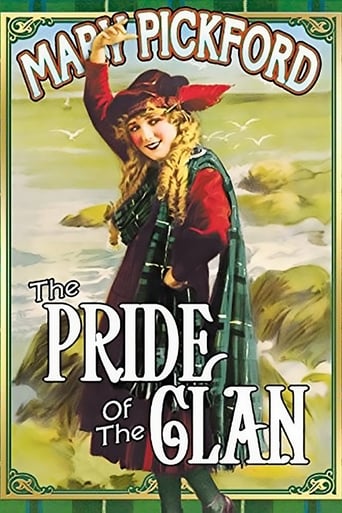
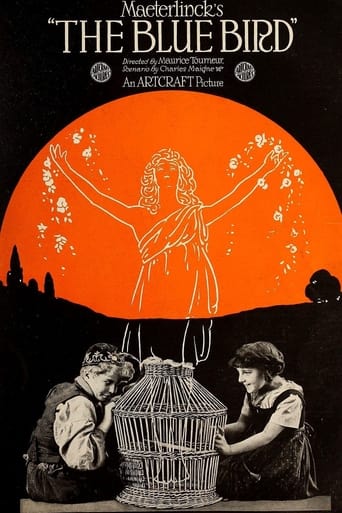
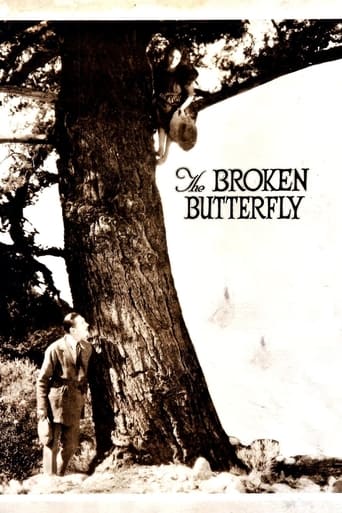
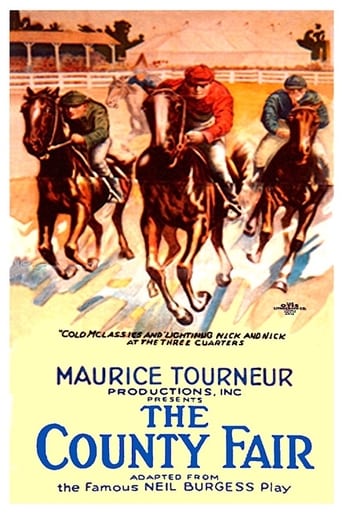
More about this film
About the production
Release dateMarch 26, 1917
ProductionParagon Films
Filmed inFort Lee, New Jersey, New York City
The picture was shot during the peak of Fort Lee's era as the picture capital of America before the industry migrated to Hollywood. Maurice Tourneur, a French director, brought European cinematic sensibilities to American production. The picture featured actual film studio locations and equipment, providing an authentic behind-the-scenes look at early movie production.
Themes
Rural innocence vs urban corruptionThe illusion of stardomSelf-discovery and maturityThe reality behind glamourArt vs commerce
Themes & topics
film industrysmall townactressbehind the scenesmovie studioinnocence lostbig citywestern filmfilm crewshow business
Historical background
Produced A Girl's Folly reflects Paragon Films's release strategy for United States markets at a moment when cinema technology and taste were shifting quickly.
Why this film matters
Programmers and historians revisit A Girl's Folly (1917) because its story—a restless young girl yearns to leave her rural environment and "get away from it all"—illustrates popular narrative habits and production norms of the period.
Making of
Maurice Tourneur directed during his most productive American period, bringing his distinctive European artistic sensibility to the material. The production was notable for its authentic depiction of early film studios, with Tourneur utilizing actual locations and equipment rather than constructed sets. the picture's meta-narrative approach was innovative for its time, offering audiences a rare glimpse behind the curtain of movie production. Tourneur worked closely with his cinematographer John van den Broek to achieve sophisticated visual effects and lighting techniques that elevated the picture beyond typical comedy fare. The casting of Doris Kenyon was strategic, as her fresh-faced innocence perfectly contrasted with June Elvidge's worldly sophistication, creating the picture's central thematic tension.
What critics said
English-language trade reviews of A Girl's Folly are limited for 1917. Where notices survive, they stress pacing and photographic clarity; later criticism values the title as archival evidence of studio style.
Did you know?
- is considered one of the earliest examples of meta-cinema, being a movie about making movies
- Director Maurice Tourneur was a prominent French filmmaker who successfully transitioned to American cinema
- the picture was shot in Fort Lee, New Jersey, which was the center of American film production before Hollywood
- Real film crews and studio equipment were used in the production to add authenticity
- the picture served as both entertainment and a subtle critique of the burgeoning film industry
- June Elvidge, who played the sophisticated city character, was one of the era's most popular vamps
- The movie's success helped establish Doris Kenyon as a leading lady in silent films
- the picture was released just as America was entering World War I, reflecting the escapist entertainment audiences craved
- Tourneur's artistic direction was noted for its sophisticated visual compositions and use of natural lighting
- the picture's theme of rural innocence versus urban corruption was a common motif in early American cinema
Visual style
The cinematography by John van den Broek employed sophisticated techniques for the era, including creative use of natural lighting and carefully composed shots that reflected Maurice Tourneur's artistic sensibilities. the picture featured innovative camera movements and angles that enhanced the storytelling, particularly in the studio scenes where the cinematography captured the chaos and creativity of film production. The contrast between the bright, open spaces of the rural setting and the darker, more confined studio environments was visually striking. Tourneur and van den Broek utilized techniques such as soft focus and selective lighting to create mood and emphasize the emotional journey of the protagonist.
Innovations
A Girl's Folly demonstrated several technical innovations for its time, including sophisticated lighting techniques that created mood and atmosphere beyond the flat illumination common in earlier films. the picture's use of actual studio locations and equipment provided an unprecedented authentic look at film production processes. Tourneur employed advanced editing techniques to create seamless transitions between different narrative threads and locations. The movie also featured relatively complex set designs that effectively contrasted rural and urban environments. The technical quality of the picture stock and processing was notably high, resulting in clear images that have survived well over time.
Music
As a silent film, A Girl's Folly would have been accompanied by live musical performance in theaters. The original score likely consisted of popular classical pieces and incidental music chosen by the theater's musical director to match the on-screen action and emotional tone. The rural scenes would have featured lighter, pastoral music, while the urban sequences would have employed more dramatic and sophisticated compositions. the picture's meta-elements about movie production might have been accompanied by playful, whimsical musical cues. No original score survives, but modern restorations typically feature newly composed period-appropriate music.
Famous quotes
I want to get away from it all - somewhere where things happen!
In the movies, everything turns out right in the end. That's why people love them.
You think making pictures is all glamour? It's hard work, believe me.
Sometimes the best place to be is right where you started from.
The camera lies, but the truth always comes through.
Memorable scenes
- The opening sequence showing Patricia's restlessness in her small town, with clever visual contrasts between her dreams and reality
- The first encounter with the picture crew, where Patricia watches in awe as a western scene is filmed
- The montage of Patricia's attempts to break into the picture industry, showing various rejections and disappointments
- The climactic scene where Patricia realizes the difference between movie fantasy and real life
- The final return to her hometown, with newfound appreciation for her simple life
What audiences thought
the picture was well-received by audiences in 1917, who were fascinated by the behind-the-scenes glimpse into movie production. The combination of comedy, romance, and the novelty of seeing how movies were made proved popular with theater-goers. Audiences particularly enjoyed seeing the contrast between the small-town setting and the glamorous world of filmmaking. the picture's success at the box office demonstrated the growing public appetite for movies about the movie business itself. Contemporary audience reviews in trade publications indicated that viewers found the picture both entertaining and educational about the picture industry.
Film connections
Influenced by
- European artistic cinema of the 1910s
- American rural-urban narratives
- Early film industry documentaries
- Comedy of manners traditions
This film influenced
- Show People (1928)
- What Price Hollywood? (1932)
- A Star Is Born (1937)
- Singin' in the Rain (1952)
- The Bad and the Beautiful (1952)
Film restoration
A Girl's Folly survives in complete form and has been preserved by major film archives including the Library of Congress and the Museum of Modern Art. the picture exists in 35mm nitrate prints that have been transferred to safety stock for preservation. Some deterioration is visible in existing copies, but the picture remains largely intact and viewable. Portions of the original tinting have been preserved in some versions. the picture has been made available through various archival screenings and special presentations of silent cinema.
Where to watch
- the picture is available through the Criterion Channel as part of their silent cinema collection
- DVD releases from specialized silent film distributors like Kino Lorber
- Streaming on the Kanopy platform (available through participating libraries)
- Occasional screenings at film archives and museums specializing in silent cinema
- Available through some university film studies collections