Doris Kenyon
Actor
Born: September 5, 1897 in Syracuse, New York, USA Died: September 1, 1979 Active: 1915-1962 Birth Name: Doris Margaret Kenyon
Films
7 films
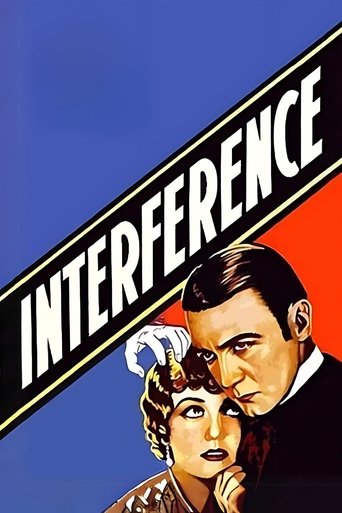
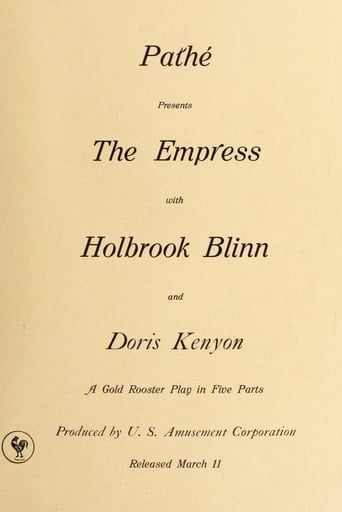

About Doris Kenyon
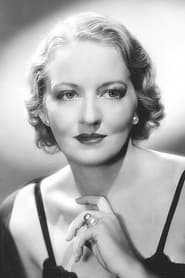
Doris Margaret Kenyon — American actress who rose to prominence during the silent film era and successfully transitioned into sound pictures. Born into a musical family in Syracuse, New York, she began her career on Broadway before being discovered by producer George M. Cohan. Her film debut came in 1915, and by the late 1910s, she had become one of Paramount Pictures' most popular leading ladies, known for her ethereal beauty and sophisticated screen presence. Throughout the 1920s, Kenyon starred in numerous successful films, often portraying elegant, refined characters in romantic dramas and comedies. She made a smooth transition to talkies in the late 1920s, though her film career gradually waned as the decade progressed. Beyond acting, Kenyon was also a talented singer who performed in vaudeville and recorded popular songs. She continued making occasional film appearances through the 1930s and 1940s, with her final screen credit coming in 1962, marking a career that spanned nearly five decades in the entertainment industry.
The Craft
On Screen
Kenyon was known for her graceful, refined acting style that perfectly suited the sophisticated characters she often portrayed. Her performances were characterized by subtle emotional expressions and an elegant screen presence that made her particularly effective in romantic dramas and period pieces. Unlike many silent era stars who relied on exaggerated gestures, Kenyon's approach was notably naturalistic, with an ability to convey complex emotions through minimal movement. Her trained singing voice added another dimension to her performances, making her particularly valuable in early musical talkies.
Milestones
- Broadway debut in 1915
- Contract with Paramount Pictures in 1917
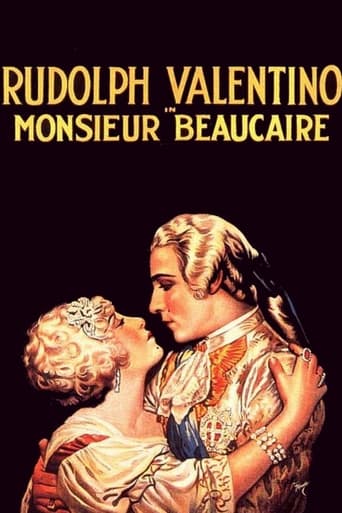
- Star of 'Monsieur Beaucaire' (1924) opposite Rudolph Valentino
- Successful transition to talkies in late 1920s
- Marriage to Albert R. Broccoli in 1951
- Hollywood Walk of Fame star received in 1960
Best Known For
Iconic Roles
Must-See Films
Accolades
Won
- Hollywood Walk of Fame Star (1960)
Special Recognition
- Hollywood Walk of Fame Star at 6427 Hollywood Boulevard
Working Relationships
Worked Often With
Studios
Why They Matter
Impact on Culture
Doris Kenyon represented the epitome of the sophisticated, educated Hollywood actress during the silent era, helping to establish the archetype of the elegant leading lady that would influence generations of performers. Her successful transition from stage to film and then to talkies demonstrated the versatility required of actors during this transformative period in cinema history. As one of the few actresses who maintained her stardom through the silent-to-sound transition, she served as a model for other performers facing the technological and artistic challenges of the new medium. Her refined acting style contrasted with the more exaggerated performances common in early cinema, contributing to the evolution of more naturalistic screen acting.
Lasting Legacy
Doris Kenyon's legacy endures through her contributions to both silent and early sound cinema, particularly her work in establishing the template for the sophisticated Hollywood leading lady. Her filmography, spanning from the early teens through the golden age of Hollywood, serves as a valuable record of the evolution of American cinema. While many of her contemporaries faded into obscurity, Kenyon's connection to Albert R. Broccoli ensured her name remained associated with Hollywood history. Her star on the Hollywood Walk of Fame continues to recognize her contributions to film history, and her surviving films are studied by film historians and enthusiasts interested in the transition from silent to sound cinema.
Who They Inspired
Kenyon influenced subsequent generations of actresses through her demonstration that refinement and subtlety could be powerful tools in screen acting. Her ability to transition between stage, silent film, and talkies provided a blueprint for performers facing similar career challenges. Her success in maintaining dignity and professionalism throughout various Hollywood eras set a standard for conduct in the entertainment industry. While she did not have direct protégés in the traditional sense, her work influenced the development of the sophisticated leading lady archetype that would be embodied by stars like Myrna Loy and Irene Dunne in the 1930s.
Off Screen
Doris Kenyon's personal life was marked by several high-profile marriages and a family background in entertainment. Her father, Dr. James B. Kenyon, was a composer, which influenced her early musical training. She married four times, with her most notable marriages being to actor Milton Sills (1926-1930 until his death) and film producer Albert R. Broccoli (1951-1958). Despite the glamour of Hollywood, Kenyon maintained a reputation for professionalism and discretion throughout her career. She spent her later years in Beverly Hills, remaining connected to the film industry through her marriage to Broccoli, who would later achieve fame as the producer of the James Bond series.
Education
Attended Syracuse University, studied music and drama at the American Academy of Dramatic Arts
Family
- Milton Sills (1926-1930, his death)
- Albert R. Broccoli (1951-1958, divorced)
- Arthur J. Beckhard (1935-1945, divorced)
- Harry M. Gutman (1918-1925, divorced)
Did You Know?
- Was discovered by George M. Cohan while performing in a school play
- Her father was a composer and her mother was a concert singer
- Made her film debut at age 18 in 'The Rack' (1915)
- Was one of the few silent stars who successfully transitioned to talkies
- Her fourth husband Albert R. Broccoli later became famous as the producer of James Bond films
- Possessed a trained singing voice and recorded several popular songs in the 1920s
- Appeared in over 80 films during her career
- Was a member of the Ziegfeld Follies before entering films
- Her star on the Hollywood Walk of Fame was dedicated in 1960
- Spoke fluent French, which helped her in international film roles
In Their Own Words
The transition from silent to sound pictures wasn't as difficult for me because I had stage training and a good singing voice
In those days, we had to be more than just actors - we had to be singers, dancers, and everything else the studio demanded
The real art of film acting is in knowing how much to show and how much to keep hidden
I never considered myself a great actress, but I always tried to be a professional one
Frequently Asked Questions
Who was Doris Kenyon?
Prominent American actress during the silent film era who successfully transitioned to talkies. She starred in numerous films for Paramount Pictures and other major studios from 1915 through the 1930s, known for her sophisticated screen presence and elegant acting style.
What films is Doris Kenyon best known for?
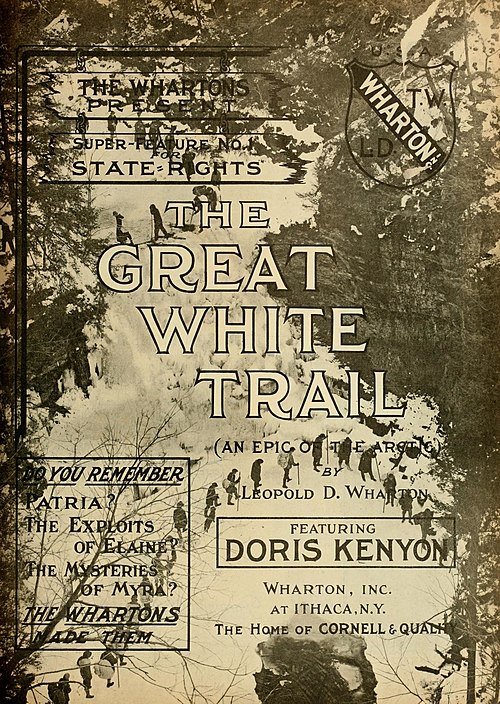
Titles linked here include Monsieur Beaucaire (1924), The Great White Trail (1917).
When was Doris Kenyon born and when did she die?
Born September 5, 1897; died September 1, 1979.
What awards did Doris Kenyon win?
Doris Kenyon received a star on the Hollywood Walk of Fame in 1960, located at 6427 Hollywood Boulevard, recognizing her contributions to the film industry. While she didn't receive major competitive awards during her active career, this honor acknowledges her lasting impact on cinema.
What was Doris Kenyon's acting style?
Kenyon was known for her graceful, refined acting style characterized by subtle emotional expressions and naturalistic movements. Unlike many silent era stars who used exaggerated gestures, she conveyed emotions through minimal movement and possessed a sophisticated screen presence that made her ideal for elegant leading roles.
Was Doris Kenyon married to Albert Broccoli?
Yes, Doris Kenyon was married to Albert R. Broccoli from 1951 to 1958. Broccoli would later become world-famous as the producer of the James Bond film series, though this success came after their marriage ended.
How did Doris Kenyon transition from silent films to talkies?
Kenyon successfully transitioned to talkies in the late 1920s due to her stage training and trained singing voice. Unlike many silent stars who struggled with the new technology, her background in theater and music made her well-suited for sound films, allowing her to continue her career into the 1930s.