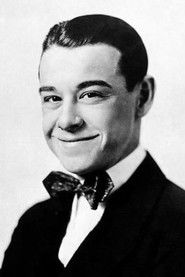
Johnny Hines
Actor
Born: July 25, 1895 in Washington, D.C., United States Died: October 24, 1970 Active: 1914-1930 Birth Name: John Edward Hines
Films
4 films
About Johnny Hines
Prominent American silent film actor, director, and producer who rose to fame during the 1910s and 1920s. Born John Edward Hines in Washington, D.C., he began his entertainment career as a child performer on the vaudeville stage before transitioning to motion pictures in the early 1910s. Hines quickly established himself as a versatile actor with a particular talent for comedy, appearing in numerous short films and features throughout the silent era. His energetic performances and natural comedic timing made him a popular figure with audiences, often drawing comparisons to other leading comedians of the period like Harold Lloyd and Buster Keaton. By the mid-1920s, Hines had achieved enough success to form his own production company, Johnny Hines Productions, allowing him greater creative control over his projects. While his career declined with the advent of sound films, he left behind a significant body of work that exemplifies the comedy styles of the silent era. Hines continued to work in the film industry in various capacities until his retirement, leaving a lasting impact on early American cinema through his contributions to physical comedy and character development.
The Craft
On Screen
Johnny Hines was known for his energetic and expressive physical comedy style, characterized by rapid movements, exaggerated facial expressions, and impeccable timing. His performances often featured a blend of slapstick elements with more subtle character comedy, allowing him to create relatable yet humorous characters that resonated with audiences. Hines possessed a natural charm and boyish enthusiasm that made him particularly effective in romantic comedies and light-hearted dramas. Unlike some of his contemporaries who relied primarily on elaborate gags, Hines incorporated emotional depth into his comedic performances, creating characters that audiences could connect with beyond mere laughter. His style evolved throughout his career, adapting to changing audience preferences while maintaining the core elements that made him popular.
Milestones
- Transition from vaudeville to silent films in 1914
- Starred in popular comedy series for Fox Film Corporation
- Formed own production company in the 1920s
- Directed and starred in multiple feature films
- Successfully adapted from shorts to feature-length films
- One of the highest-paid comedy stars of the late 1910s
Best Known For
Iconic Roles
Must-See Films
Accolades
Special Recognition
- Hollywood Walk of Fame star (Motion Pictures) - 6201 Hollywood Boulevard
Working Relationships
Worked Often With
Studios
Why They Matter
Impact on Culture
Johnny Hines played a significant role in the development of American film comedy during the silent era, helping to establish conventions and techniques that would influence generations of comedians. His work exemplified the transition from vaudeville-style performance to film-specific comedy, demonstrating how physical humor could be adapted for the camera. Hines contributed to the popularization of the romantic comedy genre in American cinema, blending humor with heartfelt storytelling in ways that appealed to broad audiences. His success as an independent producer in the 1920s also paved the way for other actors to take creative control of their projects, challenging the studio system's dominance. The characters Hines created often represented the everyday American, making his films relatable to audiences across the country and helping to define national identity through popular entertainment.
Lasting Legacy
Johnny Hines' legacy in film history is primarily preserved through his contributions to silent comedy and his role as an early independent filmmaker. While his name may not be as widely recognized today as some of his contemporaries like Charlie Chaplin or Buster Keaton, film historians consider Hines an important figure in the development of American comedy cinema. His films serve as valuable artifacts of early 20th-century American culture, reflecting the values, humor, and aspirations of the era. The techniques Hines developed for physical comedy and character-driven humor continue to influence modern comedy filmmaking, with echoes of his style visible in the work of later comedians. His career also represents the opportunities and challenges faced by silent film actors during the transition to sound, making his story instructive for understanding this pivotal period in cinema history.
Who They Inspired
Johnny Hines influenced subsequent generations of physical comedians through his innovative approach to blending slapstick with character development. His technique of using comedy to explore human relationships and emotions paved the way for more sophisticated comedy films in later decades. Actors like Harold Lloyd and even later comedians such as Jerry Lewis drew inspiration from Hines' ability to create humor through relatable situations rather than purely through gags. His success as an independent producer also demonstrated to future generations of filmmakers the possibility of maintaining creative control outside the studio system. The editing techniques and pacing used in Hines' comedies influenced the development of comedic timing in film, establishing principles that continue to guide comedy directors today.
Off Screen
Johnny Hines married actress Florence Vidor in 1915, though their marriage was relatively short-lived and ended in divorce. He later married actress and screenwriter Eleanor Wood in 1924, with whom he had a more stable and lasting relationship. Hines was known in Hollywood circles for his professionalism and dedication to his craft, often working long hours to perfect his comedic timing and physical stunts. Despite his success, he maintained a relatively private personal life, avoiding the scandals that plagued many of his contemporaries. After retiring from acting, Hines invested in real estate and other business ventures, demonstrating financial acumen that served him well in his later years.
Education
Limited formal education; trained primarily through vaudeville experience and on-the-job learning in early film industry
Family
- Florence Vidor (1915-1918)
- Eleanor Wood (1924-1970)
Did You Know?
- Began his career as a child performer in vaudeville at age 8
- Was one of the highest-paid actors of the late 1910s, earning over $1,000 per week
- Formed his own production company, Johnny Hines Productions, in the 1920s
- His brother Charles Hines was also a film director
- Made the transition from short films to feature-length films successfully
- Known for performing many of his own stunts
- His popularity declined with the advent of sound films, partly due to his voice not matching his screen persona
- Was considered
- Appeared in over 80 films during his career
- His films were particularly popular with working-class audiences
In Their Own Words
Comedy is not just about making people laugh, it's about showing them the humor in their own lives.
The camera sees everything, so you must give it everything - your heart, your soul, and your funny bone.
Frequently Asked Questions
Who was Johnny Hines?
Popular American silent film actor, on YTB.my. He was known for his energetic comedic performances and was.
What films is Johnny Hines best known for?
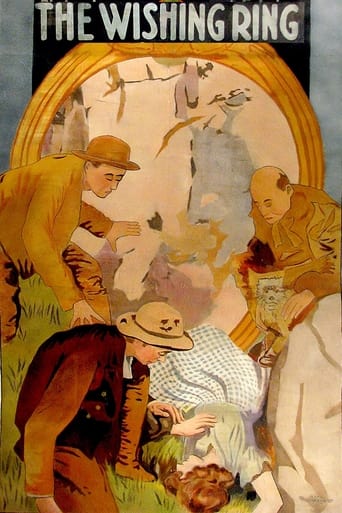
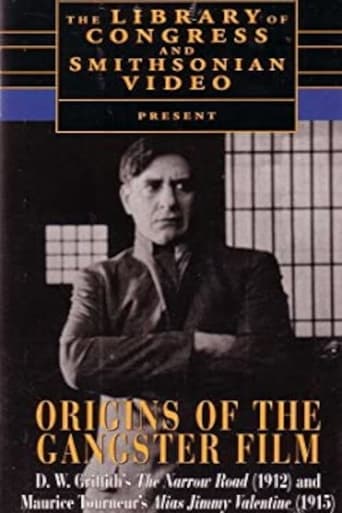
Titles linked here include The Wishing Ring: An Idyll of Old England (1914), Alias Jimmy Valentine (1915).
When was Johnny Hines born and when did he die?
Born July 25, 1895; died October 24, 1970.
What awards did Johnny Hines win?
While Johnny Hines did not receive major film awards during his career (as the Academy Awards were not established until 1929, near the end of his active period), he did receive a star on the Hollywood Walk of Fame for his contributions to motion pictures. His recognition came primarily through his popularity with audiences and his commercial success as a film star.
What was Johnny Hines' acting style?
Johnny Hines was known for his energetic physical comedy style, characterized by rapid movements, exaggerated facial expressions, and impeccable comedic timing. Unlike pure slapstick comedians, he blended physical humor with emotional depth and character development, creating relatable characters that audiences could connect with beyond mere laughter. His style evolved from vaudeville roots to become uniquely suited for the film medium.