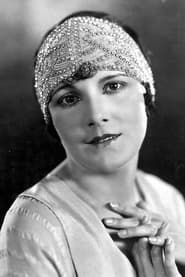
Leatrice Joy
Actor
Born: November 7, 1893 in New Orleans, Louisiana, USA Died: May 13, 1985 Active: 1915-1949 Birth Name: Leatrice Johanna Zeidler
Films
9 films
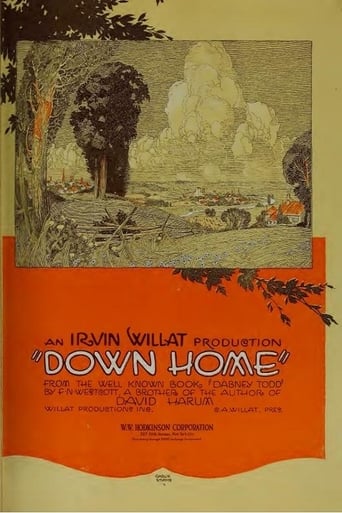
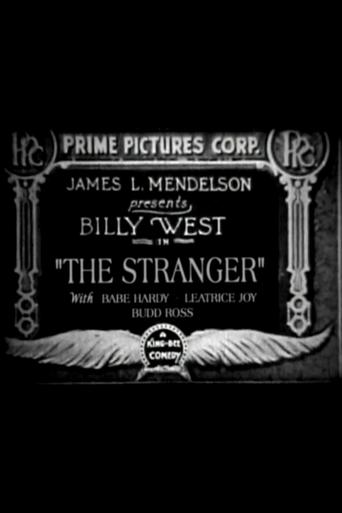
About Leatrice Joy
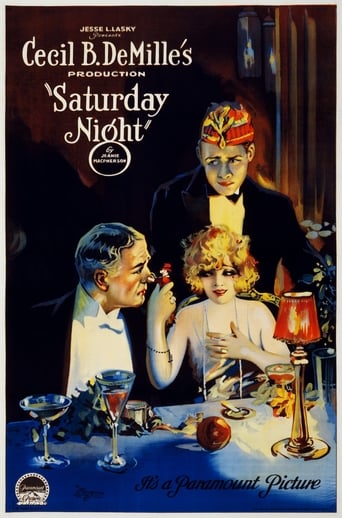
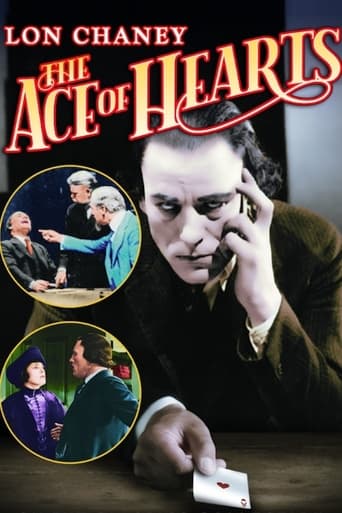
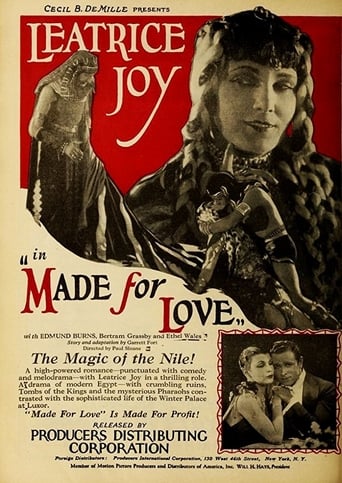
Leatrice Joy was prominent and popular actresses of the silent era, known for her sophisticated screen presence and versatility. Born Leatrice Johanna Zeidler in New Orleans, she began her film career in 1915 after winning a beauty contest and was quickly discovered by director Cecil B. DeMille, who would become instrumental in shaping her career. Under DeMille's guidance at Paramount Pictures, she became one of the studio's biggest stars, specializing in melodramas and romantic films where she often portrayed modern, independent women who challenged societal norms. Her career reached its zenith in the early 1920s with critically acclaimed performances in films like 'The Ace of Hearts' (1921) and 'Saturday Night' (1922). Joy successfully made the transition to sound films, demonstrating her adaptability as an actress, though her stardom gradually diminished by the mid-1930s. She continued working in smaller roles through the 1940s before retiring from acting, leaving behind a legacy as one of the silent era's most talented and influential actresses.
The Craft
On Screen
Leatrice Joy was known for her naturalistic acting style that was ahead of its time in the silent era. She possessed a remarkable ability to convey complex emotions through subtle facial expressions and body language, avoiding the exaggerated gestures common in many silent film performances. Her screen presence was characterized by a sophisticated elegance and modern sensibility, often portraying intelligent, independent women who were ahead of their time. Joy's technique combined theatrical training with cinematic intuition, allowing her to create believable characters that audiences could connect with emotionally.
Milestones
- Discovered by Cecil B. DeMille and signed to Paramount Pictures in 1919
- Starred in the critically acclaimed 'The Ace of Hearts' (1921)
- Became one of the highest-paid actresses of the early 1920s
- Successfully transitioned to sound films in the late 1920s
- Appeared in DeMille's epic 'The Ten Commandments' (1923)
- Named a WAMPAS Baby Star in 1922
Best Known For
Iconic Roles
Must-See Films
Accolades
Special Recognition
- WAMPAS Baby Star (1922)
- Hollywood Walk of Fame star at 6573 Hollywood Boulevard
Working Relationships
Worked Often With
Studios
Why They Matter
Impact on Culture
Leatrice Joy represented the modern, independent woman of the 1920s, both on and off screen. Her characters often challenged traditional gender roles, reflecting the changing social attitudes of the Jazz Age. As one of the few actresses who successfully navigated the transition from silent films to talkies, she demonstrated the importance of acting technique over mere visual appeal. Her sophisticated style and natural acting method influenced a generation of performers who sought to bring more realism to their craft. Joy's career trajectory also illustrated the challenges faced by female stars in early Hollywood, particularly regarding ageism and the industry's preference for youth.
Lasting Legacy
Leatrice Joy's legacy endures as. Her film performances, particularly those directed by Cecil B. DeMille, are studied by film scholars for their naturalistic style and emotional depth. She represents an important bridge between theatrical acting traditions and modern film performance techniques. Her marriage to John Gilbert remains. Today, her surviving films are preserved and screened at film festivals and archives, introducing new audiences to her remarkable talent.
Who They Inspired
Joy influenced subsequent generations of actresses through her naturalistic acting style and her portrayal of strong, independent female characters. Her successful transition to sound films provided a model for other silent era actors facing the technological revolution. Many actresses of the 1930s and 1940s cited her performances as inspiration for developing more subtle, realistic acting techniques. Her work with Cecil B. DeMille also helped establish new standards for melodramatic performance in American cinema.
Off Screen
Leatrice Joy married three times during her lifetime. Her first marriage was to actor William S. Bowes from 1915 to 1921. In 1922, she married actor John Gilbert, one of the biggest stars of the silent era, in a highly publicized union. Their marriage was tumultuous and ended in divorce in 1924, partly due to Gilbert's alcoholism and career pressures. Her third marriage was to William S. Hook in 1931, which lasted until his death in 1958. Joy had one daughter, Leatrice Gilbert Fountain, who became a writer and actress. After retiring from films, Joy lived a relatively private life in Connecticut, occasionally giving interviews about her silent film career.
Education
Attended convent schools in New Orleans and studied drama before entering films
Family
- William S. Bowes (1915-1921)
- John Gilbert (1922-1924)
- William S. Hook (1931-1958)
Did You Know?
- Won a beauty contest that launched her film career in 1915
- Was one of the highest-paid actresses in Hollywood by 1923, earning $3,000 per week
- Her marriage to John Gilbert was so publicized that their wedding was filmed for newsreels
- Successfully sued a newspaper for libel in 1925 over false allegations about her personal life
- Was a skilled horsewoman and performed many of her own stunts in western films
- Spoke fluent French, which helped her in international film markets
- Her daughter Leatrice Gilbert Fountain wrote a biography of her father John Gilbert
- Made her last film appearance in 1949, though she had been largely retired for several years
- Was one of the few silent stars who successfully embraced sound technology without losing her appeal
- Her performance in 'The Ace of Hearts' was praised by critics for its psychological depth and subtlety
In Their Own Words
The transition to sound was not as difficult for me as it was for some others because I had always believed in natural acting rather than pantomime.
Cecil B. DeMille taught me that the camera sees everything, even what you think you're hiding.
Being a star in the 1920s was like being royalty, but it was a kingdom that could disappear overnight.
I never considered myself a great actress, but I was a professional who always tried to give my best to the audience.
Frequently Asked Questions
Who was Leatrice Joy?
Prominent American actress of the silent era who became one of Paramount Pictures' biggest stars in the 1920s. Known for her sophisticated acting style and naturalistic performances, she successfully transitioned to sound films and worked with legendary director Cecil B. DeMille on several productions.
What films is Leatrice Joy best known for?
Titles linked here include The Ace of Hearts (1921), Saturday Night (1922).
When was Leatrice Joy born and when did she die?
Born November 7, 1893; died May 13, 1985.
What awards did Leatrice Joy win?
While Leatrice Joy did not receive major film awards during her career, she was named a WAMPAS Baby Star in 1922, recognizing her as. She also received a star on the Hollywood Walk of Fame for her contributions to the film industry.
What was Leatrice Joy's acting style?
Leatrice Joy was known for her naturalistic acting style that was ahead of its time in the silent era. She avoided the exaggerated gestures common in silent films, instead using subtle facial expressions and body language to convey emotions, making her performances feel modern and relatable to audiences.
Was Leatrice Joy married to John Gilbert?
Yes, Leatrice Joy was married to silent film superstar John Gilbert from 1922 to 1924. Their highly publicized marriage and subsequent divorce were major Hollywood news stories of the 1920s, though the union ended due to Gilbert's alcoholism and career pressures.
How did Leatrice Joy handle the transition to sound films?
Leatrice Joy successfully transitioned to sound films in the late 1920s, unlike many of her silent era contemporaries. Her naturalistic acting style and clear speaking voice helped her adapt to the new technology, allowing her to continue working steadily through the 1930s and into the 1940s.