


Saturday Night
"Class differences lead to divorces and remarriages."
Keys: Space play/pause · ←/→ 10s · F fullscreen · M mute · </> speed
About this film
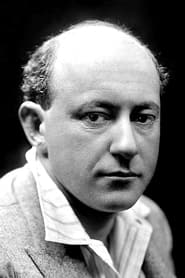
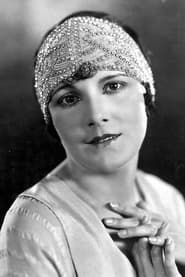
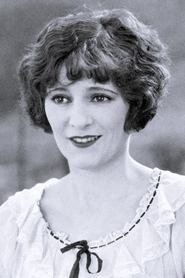
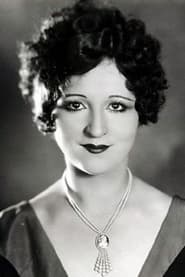
Though betrothed to fellow socialite Richard, Iris weds her chauffeur Tom leaving Richard to marry the family laundress' daughter Shamrock. Class differences lead to divorces and remarriages. DeMille and starring Leatrice Joy, Conrad Nagel, and Edith Roberts. It was Leatrice Joy's first film with DeMille.
Cast & crew
More films like this
More Romance films
View all →





More from Cecil B. DeMille
View all →


More about this film
About the production
Release dateOctober 1, 1922
Box officeUnknown - but the film was reportedly successful enough to help establish Leatrice Joy as a major star
ProductionParamount Pictures, Famous Players-Lasky Corporation
Filmed inParamount Studios, Hollywood, California, Various locations in Los Angeles area
Was part of Cecil B. DeMille's prolific period at Paramount where he directed multiple features annually. The production utilized elaborate sets typical of DeMille's work, including detailed recreations of upper-class homes and working-class environments. The film was shot during the transitional period when Hollywood was establishing itself as the center of American film production. DeMille was known for his meticulous attention to detail and often required multiple takes, which was unusual for the era.
Themes
Class differences and social mobilityRomantic rebellion against social conventionsThe complexity of marriage and relationshipsAuthenticity vs. social pretensePersonal happiness vs. social expectation
Themes & topics
social classromancecomedychauffeurwealthy familymarriagedivorcesocietyforbidden loveclass differencesremarriage1920ssilent filmupper classworking class
Historical background
Made in 1922, in United States, under Cecil B. DeMille, Saturday Night belongs to romantic comedy filmmaking amid the silent era's rapid stylistic experiments. Saturday Night is a 1922 American silent romantic comedy film directed by Cecil B.
Why this film matters
Within romantic comedy history, Cecil B. DeMille's name attaches to the work; surviving prints help researchers study silent-era craft; 1922 film by Cecil B. DeMille.
Making of
The making of 'Saturday Night' reflected Cecil B. DeMille's established reputation as one of Hollywood's most demanding directors. DeMille insisted on authenticity in the class distinctions portrayed, requiring extensive research into both upper-class and working-class lifestyles of the period. The casting of Leatrice Joy as Iris was particularly significant, as she had recently been signed to a long-term contract with Paramount and DeMille saw in her the perfect blend of elegance and rebelliousness needed for the role. The production faced challenges in creating convincing class contrasts on screen, with the art department constructing detailed sets that visually represented the social divide. Conrad Nagel, who played Richard, was relatively new to DeMille's company but impressed the director with his natural acting style. Edith Roberts, cast as Shamrock, was a character actress who specialized in portraying working-class women with dignity and strength. The film's romantic scenes were carefully choreographed to suggest intimacy while adhering to the strict moral codes of the era. DeMille's attention to detail extended to the costumes, which were designed to subtly reflect the characters' social positions and personal journeys throughout the story.
What critics said
Contemporary reviews of Saturday Night are sparse in open sources; later catalog entries chiefly summarize plot and credits.
Did you know?
- This was one of several films Cecil B. DeMille directed in 1922 alone, showcasing his incredible productivity during the silent era.
- Leatrice Joy was one of DeMille's favorite actresses and starred in multiple films for him during this period.
- The film's exploration of class differences was somewhat controversial for its time, as it questioned the rigid social hierarchies of the 1920s.
- Conrad Nagel and Leatrice Joy would later reunite for other films, becoming one of the popular screen couples of the silent era.
- The character name 'Shamrock' was chosen to reflect Irish heritage, which was a common theme in films of this period dealing with working-class characters.
- Cecil B. DeMille was known for his lavish productions, and even this more intimate comedy featured his signature attention to visual detail.
- Released just as the 'flapper' era was beginning, making its themes of social rebellion particularly relevant to contemporary audiences.
- Paramount used the success of this film to help launch Leatrice Joy into even bigger productions the following year.
- The original story was adapted from a popular magazine serial, which was common practice for silent film adaptations.
- Despite being a comedy, the film dealt with serious themes of divorce and remarriage, which were still somewhat taboo subjects in early 1920s cinema.
Visual style
The cinematography of 'Saturday Night' was handled by Bert Glennon, who was known for his skill in creating visual contrasts that enhanced storytelling. The film employed sophisticated lighting techniques to visually distinguish between the upper-class and working-class environments, with softer, more glamorous lighting for the wealthy characters' scenes and more naturalistic lighting for the working-class settings. Glennon utilized the emerging technology of artificial lighting to create depth and mood, particularly in interior scenes where the contrast between opulent mansions and modest homes was emphasized through careful composition and lighting choices. The film featured several innovative camera movements for its time, including subtle tracking shots that followed characters through different social spaces, reinforcing the theme of class mobility. Close-ups were used strategically to highlight emotional moments, particularly during the romantic scenes where the actors' expressions conveyed the inner conflicts of their characters. The visual style balanced the glossy aesthetic typical of DeMille's productions with a more realistic approach to the social environments being portrayed.
Innovations
While 'Saturday Night' was not a technical film like some of DeMille's epics, it incorporated several technical innovations that were advancing cinema in 1922. The film made effective use of the recently perfected panchromatic film stock, which allowed for more natural skin tones and better reproduction of costumes and sets. The production employed advanced matte painting techniques for establishing shots of the different social environments, creating seamless transitions between locations. The lighting equipment used was among the most modern available, allowing for more nuanced illumination of interior scenes. The film's editing employed sophisticated continuity techniques that helped maintain narrative clarity across the multiple storylines. Special attention was paid to the intertitles, which were designed to integrate smoothly with the visual storytelling rather than merely providing exposition. The production also benefited from Paramount's investment in soundproofing technology at their studios, allowing for cleaner recording of any synchronous sound effects that might have been used during filming.
Music
As a silent film, 'Saturday Night' would have been accompanied by live musical performance during its original theatrical run. The score would have been compiled from various classical and popular pieces, with theater organists or small orchestras providing musical accompaniment that matched the mood of each scene. The music likely included popular songs of the early 1920s as well as classical pieces that underscored the film's romantic and comedic elements. During upper-class scenes, more sophisticated classical music would have been used, while working-class scenes might have featured simpler, more folk-inspired melodies. The film's emotional moments would have been enhanced by dramatic musical swells and tempo changes. Unfortunately, no original cue sheets or specific musical documentation for this film's accompaniment survive, which was common for many silent productions. Modern restorations and screenings typically use period-appropriate compiled scores that attempt to recreate the musical experience of 1922 audiences.
Famous quotes
'Love knows no class, but society certainly does!' - Intertitle
'When the heart speaks, social status falls silent.' - Intertitle
'Some marriages are made in heaven, others in the society pages.' - Intertitle
'True happiness cannot be purchased with wealth or position.' - Intertitle
Memorable scenes
- The pivotal scene where Iris announces her decision to marry Tom, shocking her family and social circle
- The elegant ballroom sequence contrasting with the humble celebration of the working-class characters
- The emotional confrontation between Iris and Tom as class differences strain their marriage
- The scene where Richard discovers his unexpected connection with Shamrock
- The final reconciliation scenes where characters find their true social and romantic positions
What audiences thought
Audiences in 1922 responded enthusiastically to 'Saturday Night,' with the film proving to be a moderate commercial success for Paramount. The combination of romance, comedy, and social commentary appealed to the increasingly sophisticated movie-going public of the early 1920s. Contemporary newspaper accounts reported that theaters showing the film experienced good attendance, with many patrons praising the chemistry between the leads. The film's themes of romantic rebellion and class crossing resonated particularly strongly with younger audiences who were themselves challenging social conventions during the Roaring Twenties. Letters to movie magazines of the period indicate that many viewers found the story both entertaining and relatable, with some commenting on how the film reflected real social changes they were observing in their own communities. The success of the film helped solidify Leatrice Joy's status as a major box office draw, and audience demand for her appearances in subsequent films increased significantly. The film's popularity extended beyond major urban centers, with reports of successful runs in smaller theaters across the country, demonstrating the broad appeal of its themes and star power.
Film connections
Influenced by
- The influence of 19th century social novels like those by Jane Austen and Edith Wharton
- Earlier DeMille films that explored social themes
- The growing genre of society comedies in American theater
- Contemporary magazine fiction that often dealt with class and romance themes
This film influenced
- Later DeMille comedies that blended social commentary with romance
- The development of the 'screwball comedy' genre in the 1930s
- Frank Capra's films that explored class differences through romance
- The romantic comedies of the 1930s that often featured cross-class relationships
Film restoration
Unfortunately, 'Saturday Night' (1922) is considered a lost film. No complete copies are known to survive in any film archives or private collections. This status is not uncommon for films from this period, as an estimated 75% of American silent films have been lost due to the volatile nature of early nitrate film stock and lack of systematic preservation efforts. Only a few production stills and promotional materials survive to give modern viewers some sense of the film's appearance. The loss of this film is particularly unfortunate given its historical significance as an example of Cecil B. DeMille's work in the romantic comedy genre and its exploration of social themes. Film preservation organizations continue to search for lost films from this era, and there remains hope that a complete print might surface in an unexpected archive or private collection.
Where to watch
- Due to its status as a lost film, 'Saturday Night' is not currently available for viewing in any format. Film enthusiasts interested in Cecil B. DeMille's work from this period can seek out his surviving films such as 'Manslaughter' (1922), 'The Ten Commandments' (1923), or 'The Cheat' (1923). Some film archives and museums may have production stills or promotional materials related to the film in their collections. The film's script, if it survives, might be available through specialized film libraries or academic institutions. Fans of silent cinema can explore similar themes in surviving films from the same period that dealt with class and romance.