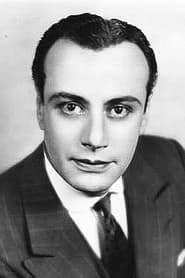
John Davidson
Actor
Born: 1886 in New York, New York, USA Died: 1968 Active: 1921-1924
Films
4 films
About John Davidson
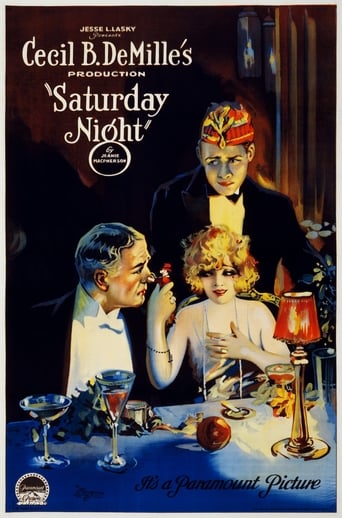
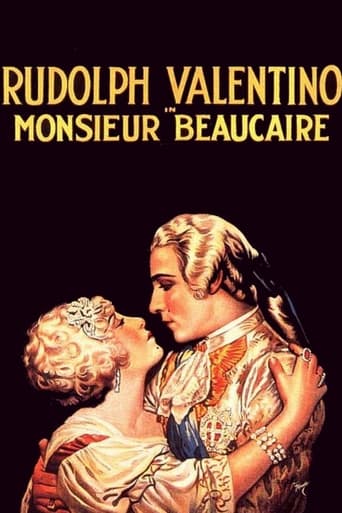
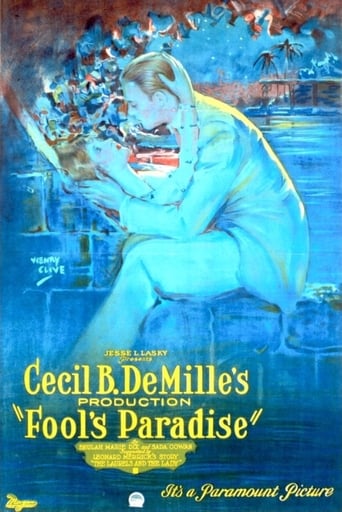
Silent film actor who had a brief but notable career during the early 1920s, appearing in several significant productions of the era. His filmography, though limited, included collaborations with prominent studios and appearances alongside major stars of the time. Davidson made his debut in the 1921 film 'Fool's Paradise,' quickly establishing himself as a capable supporting actor in the burgeoning Hollywood landscape. His role in 'Saturday Night' (1922) further demonstrated his versatility within the silent medium, showcasing his ability to adapt to various character types. The pinnacle of his career came with his appearance in 'Monsieur Beaucaire' (1924), a high-profile production starring the Rudolph Valentino. Despite his promising start and association with prestigious productions, Davidson's acting career appears to have concluded by the mid-1920s, a common fate for many supporting actors of the silent era who struggled to transition to sound films or maintain their momentum in the rapidly changing industry.
The Craft
On Screen
As a silent film actor, Davidson employed the exaggerated facial expressions and body language typical of the era, using physical performance to convey emotion and narrative without dialogue. His style was characterized by the dramatic gestures and expressive techniques required for effective silent film storytelling.
Milestones
- Film debut in Fool's Paradise (1921)
- Role in Saturday Night (1922)
- Appearance in Monsieur Beaucaire (1924) alongside Rudolph Valentino
- Work during the peak of the silent film era
Best Known For
Iconic Roles
Must-See Films
Working Relationships
Worked Often With
Studios
Why They Matter
Impact on Culture
John Davidson's contribution to cinema, while not extensive, represents the typical journey of many supporting actors during the silent era. His appearance in 'Monsieur Beaucaire' places him within the context of major Hollywood productions of the 1920s, working alongside one of the era's biggest stars. Davidson's career trajectory exemplifies the challenging nature of the early film industry, where many talented performers found brief success before the transition to sound or other industry changes ended their careers.
Lasting Legacy
While John Davidson did not achieve lasting fame or leave an extensive filmographic legacy, his work shows the countless supporting actors who contributed to the golden age of silent cinema. His appearances in notable productions of the early 1920s help document the collaborative nature of filmmaking during this period, where even minor roles were essential to the success of major productions.
Who They Inspired
As a supporting actor with a relatively brief career, Davidson's direct influence on subsequent generations of performers appears limited. However, his work during the silent era contributes to the broader understanding of film history and the collaborative nature of early Hollywood productions.
Off Screen
John Davidson led a relatively private life outside of his brief film career. Born in New York in 1886, he entered the film industry during its formative years and worked during the golden age of silent cinema. After his acting career ended in the mid-1920s, he appears to have returned to private life, with little public documentation of his later years. He passed away in 1968 at approximately 82 years of age.
Did You Know?
- His entire known filmography spans only three years from 1921 to 1924
- Appeared in 'Monsieur Beaucaire' during the height of Rudolph Valentino's fame
- His career coincided with the peak of the silent film era just before the transition to sound
- Like many silent era actors, his career ended before the advent of talkies
- His film 'Saturday Night' (1922) should not be confused with the later musical or other films with similar titles
Frequently Asked Questions
Who was John Davidson?
American silent film with credits in this catalog. His career was brief but included work on notable productions of the silent era.
What films is John Davidson best known for?
Titles linked here include Fool's Paradise (1921), Saturday Night (1922).
When was John Davidson born and when did he die?
Born 1886; died 1968.
What awards did John Davidson win?
There are no recorded awards or nominations for John Davidson, which was common for many supporting actors during the silent era when formal acting awards were not yet established.
What was John Davidson's acting style?
As a silent film actor, Davidson employed the dramatic physical performance style typical of the era, using exaggerated facial expressions and body language to convey emotion and story without spoken dialogue.