Edith Roberts
Actor
Born: September 17, 1898 in New York City, New York, USA Died: August 20, 1935 Active: 1916-1929 Birth Name: Edith Josephine Roberts
Films
3 films

About Edith Roberts
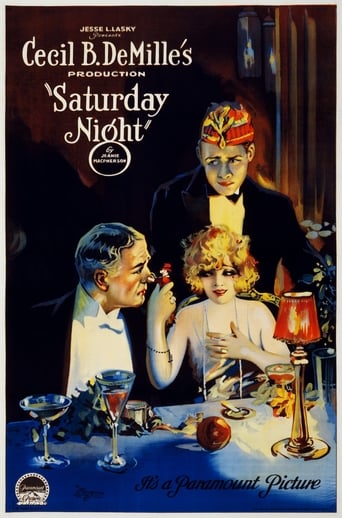
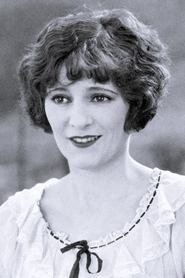
Prolific American actress of the silent film era,: from 1916 to 1929. Born in New York City, she began her film career as a teenager and quickly rose to become recognizable faces of the 1920s cinema landscape. Roberts appeared in over 80 films, working primarily as a leading lady for various studios including Universal and Fox. Her performances in films like Saturday Night (1922) and Flesh and Blood (1922) showcased her versatility and emotional range, making her a favorite among audiences of the era. She often played the innocent heroine or the spirited young woman facing dramatic circumstances, embodying the ideals of femininity popular in silent cinema. Roberts married director Harry A. Pollard in 1925, and together they collaborated on several projects. Her career declined with the advent of sound films, and she retired from acting in 1929. Tragically, her life was cut short when she died of heart disease at the young age of 36 in 1935, leaving behind a legacy as one of the forgotten stars of Hollywood's golden silent era.
The Craft
On Screen
Edith Roberts was known for her naturalistic acting style that stood out even in the exaggerated performance era of silent films. She possessed a delicate screen presence with expressive eyes that could convey deep emotion without dialogue. Her performances often featured a blend of innocence and strength, making her characters relatable to contemporary audiences. Roberts had a particular talent for melodramatic scenes, where she could shift from lighthearted comedy to intense drama seamlessly. Her technique emphasized subtlety over grand gestures, which made her performances feel more authentic compared to many of her contemporaries.
Milestones
- Film debut in 'The Little Girl Next Door' (1916)
- Leading role in 'Saturday Night' (1922)
- Starring role in 'Flesh and Blood' (1922)
- Marriage to director Harry A. Pollard (1925)
- Appeared in over 80 films during her career
- Transition from supporting roles to leading lady status
- Work with major studios including Universal, Fox, and Paramount
Best Known For
Iconic Roles
Must-See Films
Working Relationships
Worked Often With
Studios
Why They Matter
Impact on Culture
Edith Roberts represents the archetype of the silent film actress whose career flourished during the golden age of Hollywood but faded with the transition to sound. Her body of work provides valuable insight into the types of roles available to women in 1920s cinema and the evolution of female representation in early American film. While not as remembered as stars like Mary Pickford or Clara Bow, Roberts contributed to the development of the melodrama genre and helped establish the template for the modern romantic leading lady. Her films serve as cultural artifacts that capture the social values, fashion, and entertainment preferences of the Jazz Age audience.
Lasting Legacy
Edith Roberts' legacy lies in her extensive filmography that survives as proof of the silent era's cinematic achievements. Though many of her films have been lost to time, the surviving works demonstrate the craftsmanship and artistry of early Hollywood filmmaking. She represents the thousands of working actors who formed the backbone of the studio system, bringing stories to life week after week for eager audiences. Her career trajectory from teenage extra to leading lady mirrors the path taken by many actresses of her generation, making her story representative of the era. Film historians and silent cinema enthusiasts continue to rediscover and appreciate her contributions to early American cinema.
Who They Inspired
While Edith Roberts did not have a direct influence on subsequent generations of actors due to her early death and the transition to sound, her naturalistic acting style presaged the more subtle performances that would become standard in later sound films. Her ability to convey emotion through subtle facial expressions rather than exaggerated gestures influenced how other actresses approached their craft. The characters she portrayed helped shape audience expectations of female protagonists in American cinema, contributing to the development of the romantic heroine archetype that would evolve throughout the 20th century.
Off Screen
Edith Roberts married director Harry A. Pollard in 1925, and their marriage lasted until her death in 1935. Pollard was a well-known director who had directed several successful silent films and would later work in early sound pictures. The couple did not have any children together. Roberts was known to be a private person who preferred to stay out of the Hollywood social scene, focusing instead on her craft and her marriage. Her sudden death from heart disease at age 36 shocked her colleagues and fans, as she had appeared healthy and vibrant just before her passing.
Education
Limited information available about her formal education, though she likely attended public schools in New York City before entering films as a teenager.
Family
- Harry A. Pollard (1925-1935)
Did You Know?
- Appeared in over 80 films during her 13-year career
- Began her film career as a teenager in 1916
- Her birth year is sometimes listed as 1899 instead of 1898
- Many of her films are now considered lost
- She was one of the few silent actresses who successfully transitioned from supporting roles to leading lady status
- Her husband Harry A. Pollard directed the 1927 version of 'Uncle Tom's Cabin'
- Died just six years after retiring from films
- Was known for her distinctive expressive eyes which were particularly effective in close-ups
- Worked with virtually every major studio of the silent era
- Her death certificate listed the cause as 'chronic myocarditis' (heart disease)
In Their Own Words
I believe in being natural before the camera. The audience can always tell when you're faking it.
The silent screen teaches you to say everything with your eyes and your heart.
Frequently Asked Questions
Who was Edith Roberts?
Screen credits include over 80 films between 1916 and 1929. She was known for her naturalistic acting style and expressive performances in melodramas and romantic films of the 1920s.
What films is Edith Roberts best known for?
Titles linked here include Saturday Night (1922), Flesh and Blood (1922).
When was Edith Roberts born and when did she die?
Born September 17, 1898; died August 20, 1935.
What awards did Edith Roberts win?
Edith Roberts did not receive any major awards during her career, as was common for many actors of the silent era before the establishment of the Academy Awards and other recognition systems.
What was Edith Roberts' acting style?
Edith Roberts was known for her naturalistic acting style that emphasized subtlety over the exaggerated gestures common in silent films. She used her expressive eyes and nuanced facial expressions to convey emotion effectively without dialogue.
Was Edith Roberts married?
Yes, Edith Roberts married director Harry A. Pollard in 1925, and they remained married until her death in 1935. Pollard was a prominent director who worked in both silent and early sound films.