Flesh and Blood
"A fugitive hides as a cripple in Chinatown"
Keys: Space play/pause · ←/→ 10s · F fullscreen · M mute · </> speed
About this film
A convict hiding in Chinatown assumes the identity of a cripple to track down a businessman who framed him 15 years previously. He discovers that his daughter has fallen in love with the businessman's son.
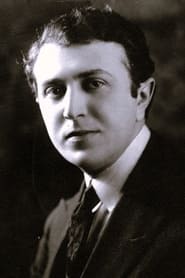
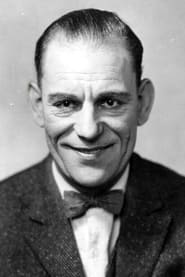
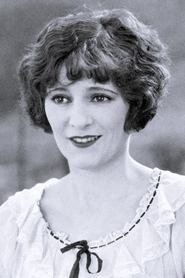
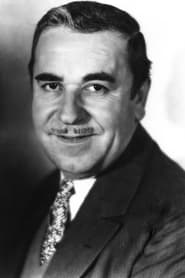
Cast & crew
More films like this
More Crime films
View all →


More from Irving Cummings
View all →

More about this film
About the production
Release dateOctober 15, 1922
ProductionUniversal Pictures
Filmed inUniversal Studios, Universal City, California
The film was part of Universal Pictures' regular production slate and featured Lon Chaney in one of his early leading roles before he became known as 'The Man of a Thousand Faces.' The Chinatown sets were elaborate constructions on the Universal backlot, designed to create an authentic atmosphere for the story. Chaney, known for his meticulous approach to character development, reportedly spent hours studying the mannerisms of people with physical disabilities to prepare for his role as the disguised cripple.
Themes
Revenge and redemptionFamily bonds and loyaltyJustice versus vengeanceIdentity and disguiseSocial class conflict
Themes & topics
revengedisguisewrongful imprisonmentChinatownfather-daughter relationshipcrimemelodramabusinessmanconvictlovebetrayaljusticeidentitySan Franciscosilent film
Historical background
Silent-era audiences encountered Flesh and Blood around 1922, as studios refined cross-cutting and star-driven storytelling.
Why this film matters
Flesh and Blood shows how silent filmmakers conveyed plot through gesture, title cards, and editing.
Making of
The production of Flesh and Blood took place during a pivotal time in Hollywood's transition to the studio system. Irving Cummings, who had been an actor before turning to directing, brought a performer's sensitivity to his work with actors. Lon Chaney, already known for his intense preparation methods, worked closely with the makeup department to create his character's disguise, using early prosthetic techniques that were innovative for the time. The Chinatown sequences required extensive set construction, as Universal built detailed facades and interiors to create the atmospheric setting. The film was shot during the summer of 1922 when California's weather allowed for outdoor shooting. Cast and crew worked long days typical of the era, often filming 12-14 hours to maximize the use of expensive sets and equipment. The production faced some challenges with the complex emotional scenes, particularly those between Chaney and Edith Roberts, as silent film acting required exaggerated gestures and expressions to convey emotion effectively.
What critics said
Press notices for Flesh and Blood (1922) are sparse in digitized sources; interest today rests on preserved prints and comparison with related titles.
Did you know?
- was one of Lon Chaney's early collaborations with director Irving Cummings, who would later become a prominent director in Hollywood's Golden Age.
- The film's title 'Flesh and Blood' was considered provocative for its time, reflecting the growing trend toward more adult themes in post-WWI cinema.
- Noah Beery, who played the antagonist, was the father of actor Noah Beery Jr. and the brother of Wallace Beery, both of whom would become major Hollywood stars.
- The film's Chinatown setting was part of a popular trend in early 1920s cinema that exoticized Asian-American communities for dramatic effect.
- Edith Roberts, who played Chaney's daughter, was a popular actress of the era but retired from films just a few years after this production.
- The movie was released during the transition period when Hollywood was moving from short films to feature-length productions.
- Chaney's makeup and prosthetics for his cripple disguise were considered groundbreaking for their realism, foreshadowing his later famous transformations.
- The film's themes of wrongful imprisonment and revenge resonated with post-WWI audiences who were grappling with questions of justice and morality.
- Universal Pictures marketed the film heavily on Chaney's growing reputation as a character actor who could completely transform himself for roles.
- The original film negatives were stored at Universal but were among many silent films that deteriorated or were destroyed in the 1930s and 1940s.
Visual style
The cinematography of Flesh and Blood was handled by Gilbert Warrenton, who employed the dramatic lighting techniques characteristic of early 1920s cinema. The film made effective use of chiaroscuro lighting, particularly in the Chinatown sequences where shadows and contrast enhanced the atmosphere of danger and mystery. Warrenton utilized close-ups strategically to capture Chaney's expressive performance, especially during scenes where his character's true emotions conflict with his disguised appearance. The camera work included dynamic angles for the film's more dramatic moments, though it largely adhered to the static compositions common in the era. The visual style emphasized the contrast between the respectable world of the businessman and the underworld of Chinatown, using different lighting schemes and set designs to distinguish these environments. The film's visual narrative demonstrated the sophisticated use of mise-en-scène that had become standard in Hollywood productions by the early 1920s.
Innovations
Flesh and Blood featured several technical elements that were noteworthy for its time. Lon Chaney's makeup and prosthetic work for his character's disguise represented an advancement in cosmetic techniques for film, using materials and methods that were innovative for 1922. The film's production design, particularly the elaborate Chinatown sets, demonstrated Universal Pictures' commitment to creating immersive visual environments. The cinematography employed sophisticated lighting techniques that enhanced the film's dramatic atmosphere, especially in scenes requiring emotional tension. The editing utilized cross-cutting between parallel storylines to build suspense, a technique that had become refined by the early 1920s. The film also featured some location shooting mixed with studio work, showing the industry's movement toward more complex production methods. While not groundbreaking in its technical aspects, the film represented the high level of craftsmanship that had become standard in major Hollywood productions by 1922.
Music
As a silent film, Flesh and Blood would have been accompanied by live musical performance during its original theatrical run. The score was likely compiled from standard photoplay music libraries, with selections chosen to match the film's dramatic moods. Universal Pictures would have provided cue sheets to theater musicians indicating appropriate musical pieces for various scenes. The Chinatown sequences probably featured stereotypical 'oriental' themed music popular in the era, while the dramatic moments would have been accompanied by romantic or suspenseful compositions. The film's emotional climax would have been underscored with stirring musical themes to enhance the audience's engagement. Unfortunately, no specific information about the original musical accompaniment has survived, as was common with most silent films of the period. Modern screenings of the film, when available, typically feature newly composed scores or carefully selected period-appropriate music.
Famous quotes
A man's blood is thicker than water, but his honor is thicker than both.
Fifteen years in prison can change a man's face, but not his heart.
In Chinatown, every shadow hides a secret and every face tells a lie.
Revenge is a dish best served cold, but justice must be served warm with mercy.
Memorable scenes
- The revelation scene where Chaney's character removes his disguise to confront the businessman who framed him, creating a dramatic moment of truth and confrontation. The emotional confrontation between father and daughter when she discovers his true identity, showcasing Chaney's ability to convey complex emotions without dialogue. The climactic chase through the streets of Chinatown, utilizing the elaborate sets and dramatic lighting to create maximum tension and visual impact.
What audiences thought
Audiences in 1922 responded positively to Flesh and Blood, particularly to Chaney's performance and the film's dramatic tension. The movie performed well enough to justify Universal's investment in Chaney, who would become one of the studio's most valuable assets. Contemporary audience reports suggest that viewers were especially moved by the emotional scenes between Chaney and Edith Roberts, as well as the film's suspenseful revenge plot. The Chinatown setting proved popular with moviegoers, who were drawn to its exotic atmosphere and dangerous undertones. While the film didn't achieve the blockbuster status of some of Chaney's later works, it solidified his fan base and demonstrated his ability to attract audiences to dramatic material rather than just spectacle. The film's themes of family loyalty and redemption resonated strongly with post-WWI audiences who valued stories about moral choices and personal sacrifice.
Film connections
Influenced by
- The tradition of Dumas' The Count of Monte Cristo
- Contemporary crime melodramas
- Stage melodramas of the late 19th century
- German expressionist cinema's use of shadows and disguise
This film influenced
- Later Chaney films featuring revenge themes
- Universal's crime dramas of the 1920s
- Films featuring protagonists in disguise seeking justice
Film restoration
Flesh and Blood is considered a lost film. Like many Universal Pictures productions from the silent era, the original negatives and surviving prints were either destroyed in studio fires, deliberately disposed of when the film lost commercial value, or deteriorated due to the unstable nature of early film stock. No complete copies of the film are known to exist in any film archive or private collection. Some sources suggest that fragments or stills from the production may survive in various archives, but the complete film remains inaccessible to modern audiences. This loss is particularly significant given its importance in Lon Chaney's filmography and its role in the development of the crime genre in American cinema.
Where to watch
- Unfortunately, Flesh and Blood (1922) is not available for viewing as it is considered a lost film. No complete copies are known to exist in any archive or collection. Film enthusiasts interested in Lon Chaney's work from this period can seek out his surviving films from the early 1920s, such as The Penalty (1920), Outside the Law (1920), and The Hunchback of Notre Dame (1923), which are available through various classic film platforms and archives.