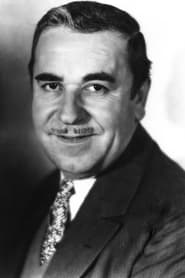
Noah Beery
Actor
Born: January 17, 1882 in Kansas City, Missouri, USA Died: April 1, 1946 Active: 1913-1945 Birth Name: Noah Nicholas Beery
Films
23 films
The Valley of the Giants
1919
To the Last Man
1923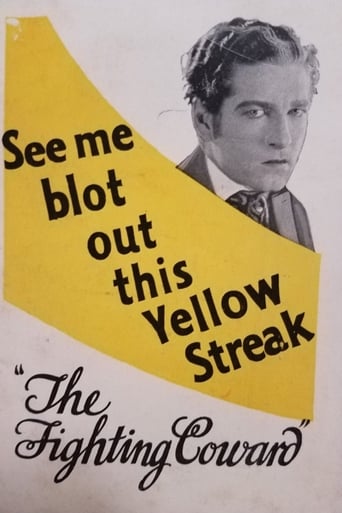
The Fighting Coward
1924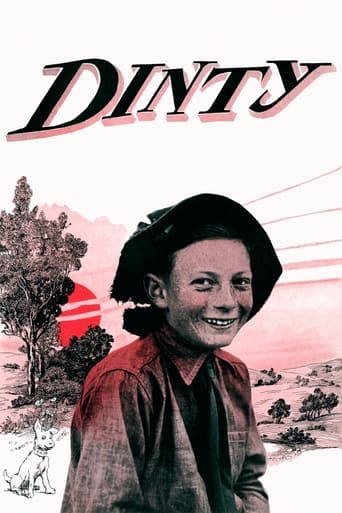
Dinty
1920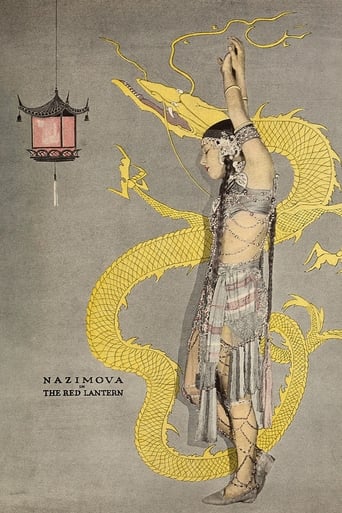
The Red Lantern
1919
Flesh and Blood
1922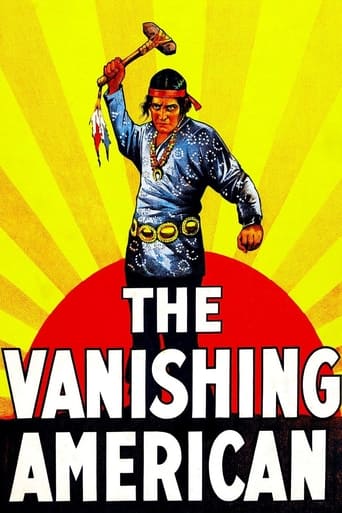
The Vanishing American
1925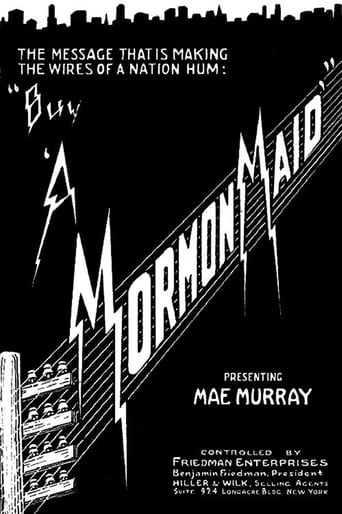
A Mormon Maid
1917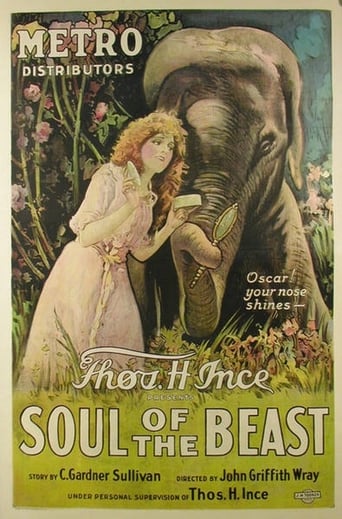
Soul of the Beast
1923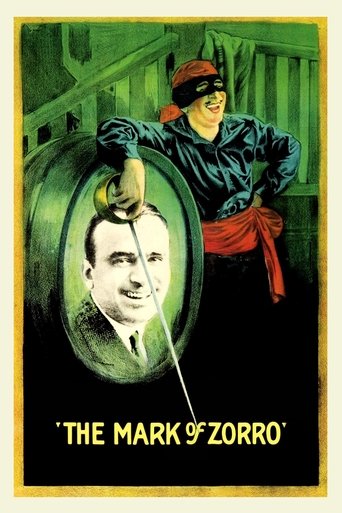
The Mark of Zorro
1920
Noah's Ark
1928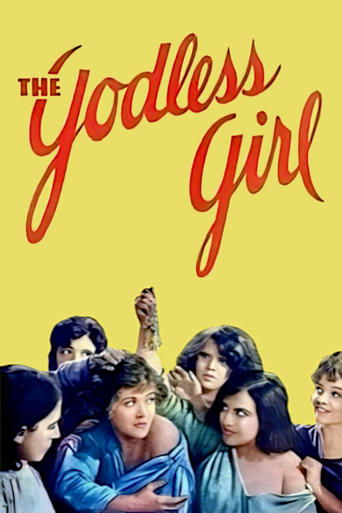
The Godless Girl
1929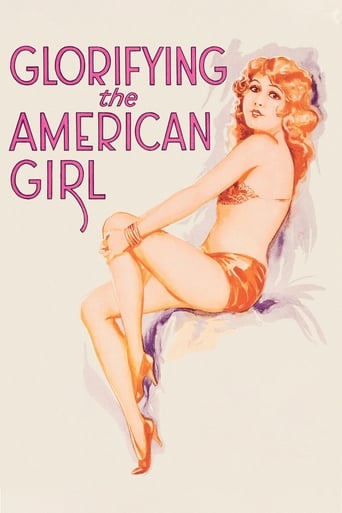
Glorifying the American Girl
1929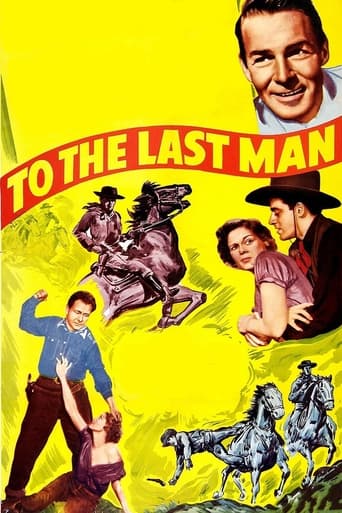
To the Last Man
1933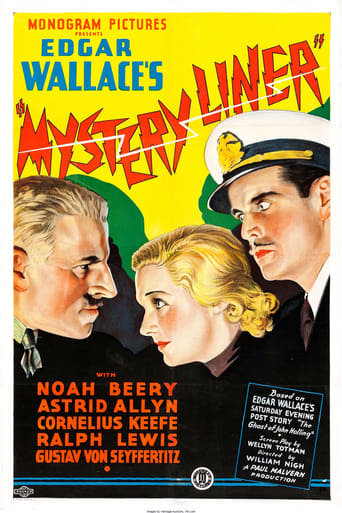
Mystery Liner
1934
Padlocked
1926
Linda
1929
Golden Dawn
1930
A Soldier's Plaything
1930
Bright Lights
1930
Oh, Sailor, Behave!
1930No Poster
The Coming of Amos
1925About Noah Beery
Noah Nicholas Beery Sr. Was an American character actor who became recognizable faces in Hollywood during the silent era and early sound period. Beginning his career on the stage, he transitioned to films in 1913 and quickly established himself as a reliable supporting actor, often cast as villains, authority figures, or comic relief characters. His imposing physical presence and deep, resonant voice made him particularly effective in antagonistic roles, though he demonstrated remarkable versatility throughout his career. Beery worked prolifically, appearing in over 200 films between 1913 and 1945, collaborating with many of the era's biggest stars including Douglas Fairbanks, Clara Bow, and Mae West. He successfully made the transition from silent films to talkies, his booming voice becoming one of his most valuable assets in the sound era. His the golden age of Hollywood, and he remained in demand until his death in 1946, leaving behind a legacy as one of cinema's most dependable character actors.
The Craft
On Screen
Noah Beery Sr. Was known for his commanding screen presence and distinctive deep voice, which served him well in both silent and sound films. He specialized in playing authoritative figures, villains, and comic relief characters, often bringing a theatrical gravitas to his roles that stemmed from his stage background. His acting style was characterized by exaggerated gestures and expressions in silent films, which he successfully adapted to the more naturalistic requirements of talkies. Beery had a particular talent for scene-stealing supporting performances, using his physical stature and vocal power to dominate scenes even when not the lead. He possessed a remarkable ability to switch between menacing villains and affable comic characters, showcasing his range as a character actor.
Milestones
- Breakthrough role in 'The Mark of Zorro' (1920) opposite Douglas Fairbanks
- Successful transition from silent films to talkies in the late 1920s
- Memorable performance in 'The Spoilers' (1930) alongside Gary Cooper
- Notable supporting role in 'She Done Him Wrong' (1933) with Mae West
- Prolific career with over 200 film appearances
- Established the Beery acting dynasty alongside brother Wallace Beery
Best Known For
Iconic Roles
Must-See Films
Accolades
Special Recognition
- Hollywood Walk of Fame Star (located at 1624 Vine Street)
Working Relationships
Worked Often With
Studios
Why They Matter
Impact on Culture
Noah Beery Sr. Played a significant role in establishing the archetype of the character actor in Hollywood cinema. During an era when leading actors received most of the attention, Beery helped demonstrate the crucial importance of supporting performances in creating memorable films. His ability to seamlessly transition from silent films to talkies set an example for other actors facing the technological revolution in cinema. As part of the Beery acting dynasty, he contributed to the normalization of acting families in Hollywood, showing that talent could run in generations. His distinctive presence in over 200 films made him.
Lasting Legacy
Noah Beery Sr.'s legacy endures through his extensive filmography and the acting dynasty he helped establish. He is remembered as. His son Noah Beery Jr. Carried on the family tradition, becoming a beloved character actor in his own right, particularly known for his role in 'The Rockford Files.' The Beery name remains synonymous with dependable, professional acting in Hollywood history. Film historians and classic cinema enthusiasts continue to appreciate his contributions to the golden age of Hollywood, where he helped define the importance of supporting performances in creating enduring cinematic works.
Who They Inspired
Noah Beery Sr. Influenced generations of character actors by demonstrating how supporting roles could become memorable and career-defining. His successful transition from silent films to talkies provided a blueprint for other actors facing similar challenges. His professional approach and reliability set standards for work ethic in the studio system. The acting dynasty he established with his brother Wallace Beery and continued through his son Noah Beery Jr. Created a lasting influence on Hollywood's family traditions. Many later character actors cited his ability to steal scenes and create memorable supporting performances as an inspiration for their own careers.
Off Screen
Noah Beery Sr. Came from a family with deep theatrical roots and was part of one of Hollywood's most famous acting dynasties. He married Marguerite Lindsey Walker in 1910, and their marriage lasted until his death in 1946. The couple had two children: Noah Beery Jr., who would become a successful character actor in his own right, and Mollie Beery. His brother Wallace Beery was also a major Hollywood star and Academy Award winner, making the Beery family. Despite his success in films, Beery remained grounded and was known for his professionalism and reliability on set.
Education
Limited formal education; primarily trained through practical experience in theater and vaudeville circuits
Family
- Marguerite Lindsey Walker (1910-1946)
Did You Know?
- Was the older brother of Academy Award winner Wallace Beery
- His son Noah Beery Jr. Appeared in over 200 films and TV shows
- Often confused with his son in film credits and references
- Made his film debut in 1913, four years before the films listed in the prompt
- Was a talented singer and often incorporated singing into his roles
- Stood 6'2" tall, making him an imposing presence on screen
- Worked with virtually every major star of the silent and early sound era
- His deep voice was considered one of the best in early talkies
- Was one of the highest-paid character actors of his time
- The Beery brothers (Noah and Wallace) were among the few sibling pairs to both achieve major stardom in early Hollywood
In Their Own Words
I've never met a villain I didn't like to play - they're always more interesting than the heroes.
In pictures, you can't afford to be subtle. You've got to hit 'em over the head with it.
My voice has been my best friend in talkies. It's saved me from the scrap heap along with so many others.
Being a character actor is like being a good waiter - you make everyone else look good while doing your job perfectly.
Frequently Asked Questions
Who was Noah Beery?
Noah Beery Sr. Was a prominent American character actor who appeared in over 200 films during the silent era and early sound period. He was known for his distinctive deep voice, imposing presence, and versatility in playing both villainous and comic roles. He was part of the famous Beery acting dynasty, alongside his brother Wallace Beery and son Noah Beery Jr.
What films is Noah Beery best known for?
Titles linked here include The Mark of Zorro (1920), The Spoilers (1930).
When was Noah Beery born and when did he die?
Born January 17, 1882; died April 1, 1946.
What awards did Noah Beery win?
While Noah Beery did not win major acting awards during his lifetime, he received a posthumous honor with a star on the Hollywood Walk of Fame at 1624 Vine Street. His legacy as one of Hollywood's most reliable character actors is considered his greatest achievement.
What was Noah Beery's acting style?
Noah Beery's acting style was characterized by his commanding screen presence, deep resonant voice, and theatrical gravitas from his stage background. In silent films, he used exaggerated gestures and expressions, which he successfully adapted to the more naturalistic requirements of talkies. He specialized in authority figures and villains but demonstrated remarkable versatility across different genres.