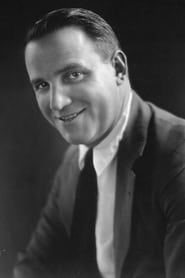
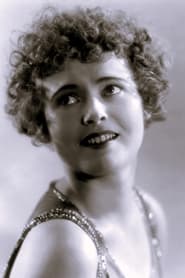
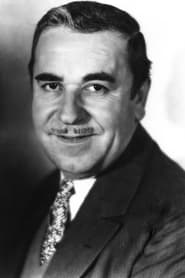
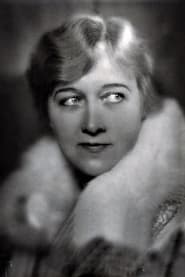
Padlocked
"Edith is the daughter of Henry Gilbert"
Keys: Space play/pause · ←/→ 10s · F fullscreen · M mute · </> speed
About this film
Edith is the daughter of Henry Gilbert, a Christian devoted to moral reform but hypocritically infatuated with his assistant, Belle Galloway. Her life is strictly regulated - she writes her thoughts in a Padlocked diary, and keeps her possessions in a "hopeless chest". On her 17th birthday, she and her mother throw a raucous party on a day when her father is away giving a speech on moral virtue.
Cast & crew
More films like this
More Drama films
View all →







More from Allan Dwan
View all →

More about this film
About the production
Release dateOctober 10, 1926
Box officeBox office figures not documented for this silent film
ProductionFamous Players-Lasky Corporation, Paramount Pictures
Filmed inParamount Studios, Hollywood, California
Padlocked was produced during the peak of the silent era, utilizing the elaborate sets and lighting techniques typical of Paramount productions in the mid-1920s. The film was shot in the standard 1.33:1 aspect ratio of the period. Director Allan Dwan was known for his efficient shooting style and ability to complete productions ahead of schedule and under budget.
Themes
Parental control and oppressionYouthful rebellionGenerational conflictLove versus dutyFemale independence
Themes & topics
Historical background
Padlocked (1926) emerged during the silent-film era. Edith is the daughter of Henry Gilbert, a Christian devoted to moral reform but hypocritically infatuated with his assistant, Belle Galloway. Archival records and catalog entries help place the work within film-history surveys of the period.
Why this film matters
Preserved under Wikidata ID Q19363741, Padlocked is valued as a screen drama within catalog and archive collections. Wikipedia's "Padlocked" entry connect it to broader histories of cinema exhibition and restoration.
Making of
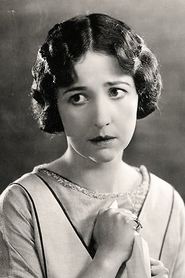
Padlocked was filmed during a transitional period in Hollywood when studios were still perfecting the art of silent film storytelling. Director Allan Dwan, known for his technical innovation, employed sophisticated camera movements and lighting techniques to enhance the emotional impact of the story. The production utilized Paramount's state-of-the-art facilities, including their massive soundstages and elaborate sets. Lois Moran, who had been discovered by director Ernst Lubitsch, was being groomed as a major star by Paramount. The film's intense emotional scenes required careful preparation, as silent acting relied heavily on physical expression rather than dialogue. The production team worked closely with the art department to create visual metaphors for the protagonist's imprisonment, including the use of physical barriers and confined spaces in the set design.
What critics said
Trade and archival sources offer limited day-one review coverage for Padlocked. Modern reception rests on its availability in collections, repertory screenings, and reference works that document 1926 cinema.
Did you know?
- Director Allan Dwan was especially prolific filmmakers of the silent era, directing over 400 films in his career
- Lois Moran was only 19 years old when she starred in this film, early in her career
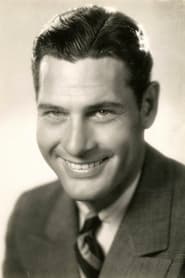
- Noah Beery was one of the highest-paid character actors of the 1920s
- The film was based on an original screenplay, not adapted from a novel or play
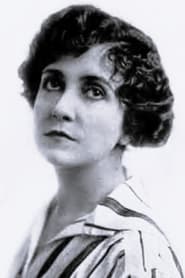
- Louise Dresser was a prominent supporting actress who often played maternal roles
- The title 'Padlocked' refers metaphorically to the main character's imprisoned life under her father's control
- This was one of the last silent films before the industry transition to sound pictures
- The film's themes of generational conflict were particularly relevant during the Roaring Twenties
- Paramount Pictures was known for producing high-quality melodramas during this period
- The film's intertitles were written by prominent screenwriter Katherine Hilliker
Awards & recognition
- No major awards documented for this film
Visual style
The cinematography of Padlocked, typical of mid-1920s Paramount productions, utilized sophisticated lighting techniques to enhance the film's emotional impact. The cinematographer employed dramatic chiaroscuro effects to emphasize the oppressive atmosphere of the father's control and the contrasting freedom desired by the protagonist. Camera movements were relatively restrained compared to later films, but included selective tracking shots to follow the characters' emotional journeys. The visual composition carefully framed characters to emphasize power dynamics, often positioning the father in dominant positions while showing the daughter in confined spaces. The film's visual style reflects the transition from the static compositions of early cinema to the more dynamic techniques that would become standard in the late 1920s.
Innovations
While Padlocked does not represent a major technical milestone in cinema history, it demonstrates the polished production techniques that characterized Paramount Pictures in the mid-1920s. The film benefited from the studio's advanced lighting equipment and sophisticated set design capabilities. The use of multiple camera setups for key scenes allowed for more dynamic editing than earlier films. The intertitles were professionally designed and integrated smoothly into the narrative flow. The film's preservation of image quality reflects the improvements in film stock and processing techniques that had been achieved by this period. These technical elements, while not revolutionary, contributed to the film's professional appearance and emotional effectiveness.
Music
As a silent film, Padlocked would have been accompanied by live musical performance during its theatrical run. The original score was likely compiled from standard photoplay music libraries, with selections chosen to match the film's emotional tone and dramatic moments. Theaters of the period typically employed either a full orchestra, organist, or pianist to provide musical accompaniment. The music would have included romantic themes for the love scenes, dramatic motifs for confrontations, and lighter pieces for moments of hope. No original composed score by a specific composer is documented for this film, which was standard practice for most productions of the era.
Famous quotes
You cannot padlock a heart that yearns for freedom" (intertitle)
In love, as in life, there are no barriers that true feeling cannot overcome" (intertitle)
A cage of gold is still a prison" (intertitle)
Memorable scenes
- The climactic confrontation scene where Cynthia finally stands up to her father, declaring her independence and choosing love over security. The scene builds emotional tension through the actors' expressive performances and the careful framing that emphasizes the power shift between the characters.
What audiences thought
Audience reception to Padlocked in 1926 appears to have been moderate, with the film performing adequately at the box office without achieving blockbuster status. Contemporary audience reports suggest that viewers responded emotionally to the story of parental oppression and youthful rebellion, themes that resonated strongly with younger audiences of the Jazz Age. The film's dramatic moments and romantic elements provided the entertainment value expected from a Paramount melodrama of the era. While it did not generate the level of audience enthusiasm associated with major hits of the period, Padlocked satisfied the expectations of regular moviegoers seeking emotional entertainment and escapism.
Film connections
Influenced by
- Influenced by the tradition of family melodramas popular in the 1920s
- Reflects the social themes common in films addressing generational conflict
This film influenced
- The film's themes influenced later melodramas dealing with parental control and youthful rebellion
Film restoration
Padlocked is considered a partially lost film. Only incomplete footage and fragments are known to survive in film archives. Some portions may exist in private collections or foreign archives, but a complete version is not currently available for public viewing. This status is unfortunately common for silent films from this period, as many were lost due to the decomposition of nitrate film stock or deliberate destruction when sound films made them commercially obsolete.
Where to watch
- Due to its status as a partially lost film, Padlocked is not currently available for commercial viewing or streaming. Film enthusiasts may be able to view surviving fragments through film archives or special screenings at silent film festivals. The Museum of Modern Art and the Library of Congress may hold some footage in their collections, accessible for research purposes by appointment.