Louise Dresser
Actor
Born: October 5, 1878 in Evansville, Indiana, USA Died: April 24, 1965 Active: 1919-1939 Birth Name: Louise Josephine Kerlin
Films
7 films

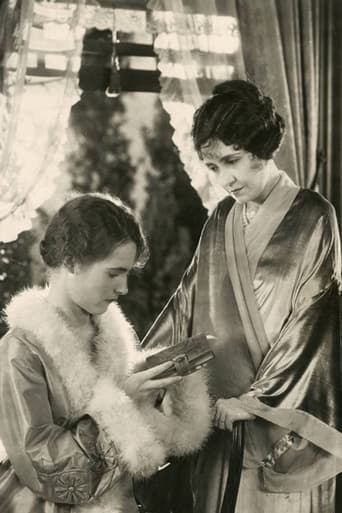
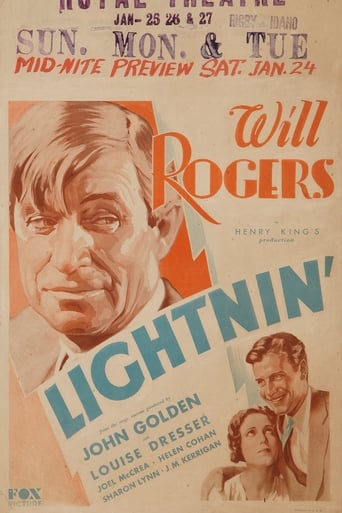
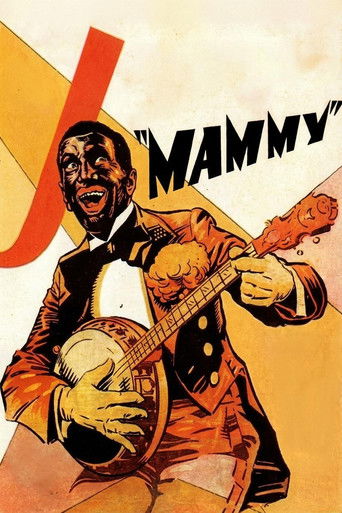
About Louise Dresser
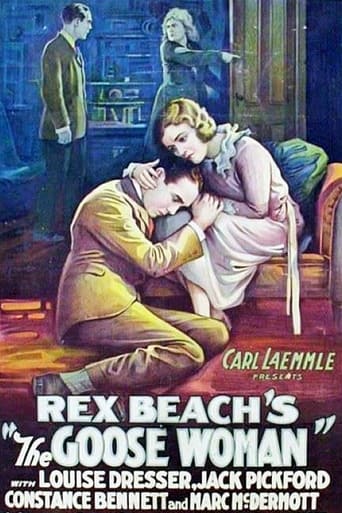
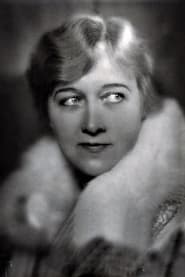
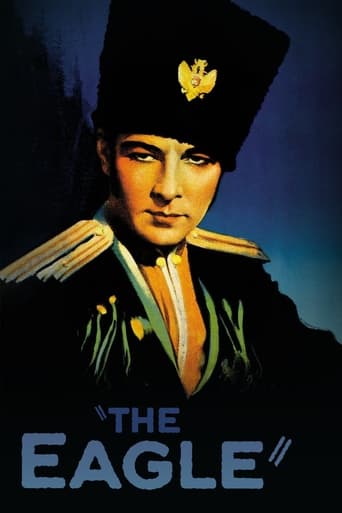
Louise Dresser, born Louise Josephine Kerlin on October 5, 1878, in Evansville, Indiana, began her entertainment career as a vaudeville performer and singer at age 16 before transitioning to silent films in the early 1920s. She quickly established herself as a versatile character actress, often playing strong maternal figures, sophisticated women, and complex characters that required emotional depth. Her breakthrough came with acclaimed performances in 'The Goose Woman' (1925), where she portrayed a former opera singer suffering from mental illness, and 'The Eagle' (1925) opposite Rudolph Valentino. Dresser successfully navigated the challenging transition from silent to sound films, a feat many of her contemporaries failed to achieve, continuing her career through the 1930s with notable performances in films like 'A Ship Comes In' (1928), for which she received an Academy Award nomination for Best Actress. Her over two decades and included more than 60 films, establishing her as one of Hollywood's most reliable character actresses during cinema's most transformative years. After retiring from films in the early 1940s, she spent her remaining years in California until her death on April 24, 1965, in Woodland Hills.
The Craft
On Screen
Naturalistic and emotionally expressive with a commanding presence, particularly effective in maternal and authoritative roles. Her performances were characterized by subtle gestures and nuanced facial expressions that conveyed complex emotions without melodrama. Dresser's vaudeville background gave her exceptional timing and the ability to connect with audiences, while her distinctive speaking voice helped her excel in sound films. She brought depth and authenticity to every character, making her.
Milestones
- Academy Award nomination for Best Actress for 'A Ship Comes In' (1928)
- Successful transition from silent films to talkies
- Leading roles opposite Rudolph Valentino in 'The Eagle' (1925)
- Critically acclaimed performance in 'The Goose Woman' (1925)
- Hollywood Walk of Fame star recipient
- Over 60 film appearances spanning two decades
Best Known For
Iconic Roles
Must-See Films
Accolades
Won
- Hollywood Walk of Fame Star (1960)
Nominated
- Academy Award for Best Actress for 'A Ship Comes In' (1928)
Special Recognition
- Hollywood Walk of Fame Star at 1725 Vine Street
- Academy Award recognition for early character acting excellence
Working Relationships
Worked Often With
Studios
Why They Matter
Impact on Culture
Louise Dresser represented the successful transition from stage entertainment to cinema during Hollywood's formative years, embodying the evolution of American film from silent to sound. Her Academy Award nomination for 'A Ship Comes In' helped establish the legitimacy and importance of character actresses in early Hollywood, paving the way for future generations of supporting performers. Dresser's ability to maintain a successful career through the technological transition of the late 1920s demonstrated the adaptability and professionalism required of early film actors. She challenged stereotypes by playing complex, multifaceted female characters at a time when many actresses were typecast in one-dimensional roles, particularly her groundbreaking portrayal of mental illness in 'The Goose Woman.'
Lasting Legacy
Louise Dresser is remembered as. Her Academy Award nomination remains historically significant as early recognition of character acting excellence, helping establish that supporting roles deserved critical acclaim. Film historians cite her as an example of the skilled performers who provided emotional depth and stability to films during Hollywood's formative years. Her successful navigation of the silent-to-sound transition serves as a case study in adaptability for actors facing technological changes in their medium. Dresser's contributions to early cinema are preserved in her extensive filmography, which continues to be studied by film scholars and appreciated by classic cinema enthusiasts.
Who They Inspired
While not as widely remembered as some of her contemporaries, Louise Dresser influenced subsequent generations of character actresses through her naturalistic acting style and ability to convey deep emotion without melodrama. Her success in both silent and sound films demonstrated the importance of versatility and adaptability in an actor's career. Dresser's portrayal of complex maternal roles helped expand the range of possibilities for women over 30 in Hollywood, challenging the industry's ageism. Her professional approach and longevity in the business served as a model for character actors seeking sustainable careers in the film industry. Many later actresses cited her performances as inspiration for bringing depth and authenticity to supporting roles.
Off Screen
Louise Dresser married twice during her lifetime, first to Jack Gardner from 1908 to 1915, and later to actor and songwriter Jack Norworth from 1916 until his death in 1959. Despite her success in Hollywood, Dresser maintained a relatively private personal life and was known for her professionalism and dedication to her craft. She had no children but was beloved by her colleagues for her warmth and generosity on set. Her marriage to Norworth was particularly notable as he was the famous songwriter who wrote 'Take Me Out to the Ball Game,' one of America's most beloved songs.
Education
Limited formal education; primarily trained through vaudeville and stage experience beginning at age 16
Family
- Jack Gardner (1908-1915)
- Jack Norworth (1916-1959)
Did You Know?
- She chose her stage name 'Dresser' as a tribute to her friend Paul Dresser, a famous songwriter and brother of novelist Theodore Dreiser
- Despite being a successful actress, she never learned to drive a car throughout her life
- Her husband Jack Norworth wrote the famous baseball song 'Take Me Out to the Ball Game' in 1908
- She was one of the few silent film stars who successfully made the transition to talkies without losing her popularity
- Her performance in 'The Goose Woman' was considered groundbreaking for its sensitive portrayal of a mentally ill character in 1925
- She began her entertainment career as a singer in vaudeville at age 16, touring the Midwest
- She was known for her distinctive contralto speaking voice, which helped her transition to sound films
- Unlike many silent film stars, she never completely abandoned her real name, keeping 'Louise' while adopting 'Dresser'
- She was often cast as the mother or maternal figure despite being relatively young, sometimes playing mothers to actors only a few years younger than herself
- Her final film appearance was in 1939's 'The Story of Vernon and Irene Castle' starring Fred Astaire and Ginger Rogers
- She appeared in both the silent and sound versions of 'The Jazz Singer' (1927), though her role was uncredited
- She was a founding member of the Hollywood Anti-Nazi League in the 1930s, demonstrating her political awareness
In Their Own Words
I never wanted to be a star. I just wanted to be a good actress.
The transition to sound wasn't as difficult for me as it was for others. I came from the stage where we had to use our voices.
Playing mothers comes naturally to me. I think it's because I understand the worries and joys of motherhood, even without having children of my own.
In pictures, you have to be more subtle than on the stage. The camera sees everything.
Frequently Asked Questions
Who was Louise Dresser?
Prominent American actress who starred in silent films and early talkies during the 1920s and 1930s. She was known for her versatile character roles and received an Academy Award nomination for Best Actress for her performance in 'A Ship Comes In' (1928).
What films is Louise Dresser best known for?
Titles linked here include The Goose Woman (1925), The Eagle (1925).
When was Louise Dresser born and when did she die?
Born October 5, 1878; died April 24, 1965.
What awards did Louise Dresser win?
Louise Dresser was nominated for the Academy Award for Best Actress for her performance in 'A Ship Comes In' (1928). She also received a star on the Hollywood Walk of Fame for her contributions to the film industry.
What was Louise Dresser's acting style?
Louise Dresser was known for her naturalistic and emotionally expressive acting style, particularly effective in maternal and authoritative roles. She brought depth and authenticity to her characters, making her.
How did Louise Dresser transition from silent to sound films?
Unlike many of her contemporaries, Louise Dresser successfully transitioned from silent to sound films due to her stage background and distinctive speaking voice. Her vaudeville experience gave her the vocal skills needed for talkies, and she continued to receive substantial roles throughout the 1930s.
Who was Louise Dresser married to?
Louise Dresser was married twice, first to Jack Gardner from 1908 to 1915, and later to actor and songwriter Jack Norworth from 1916 until his death in 1959. Norworth famously wrote the lyrics to 'Take Me Out to the Ball Game.'
What was Louise Dresser's contribution to early cinema?
Louise Dresser contributed to early cinema by demonstrating the importance of character actors in supporting roles and successfully navigating the technological transition from silent to sound films. Her Academy Award nomination helped establish the legitimacy of supporting performances in Hollywood's award system.