Mr. Wu
"Portrays Chinese patriarch tries."
Keys: Space play/pause · ←/→ 10s · F fullscreen · M mute · </> speed
About this film
When Mandarin Wu's unmarried daughter becomes pregnant by a young Englishman, he seeks vengeance. Wu is a 1927 American silent drama film directed by William Nigh and starring Lon Chaney, based on a 1913 stage play. Chaney portrays a Chinese patriarch who tries to exact revenge on the Englishman who seduced his daughter.
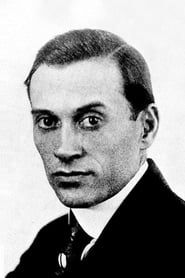
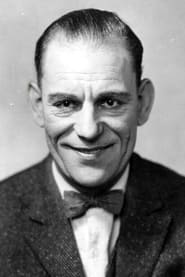
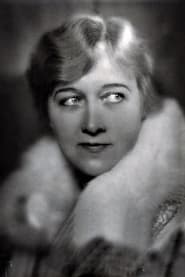
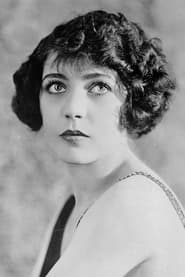
Cast & crew
More films like this
More Drama films
View all →







More from William Nigh
View all →
More about this film
About the production
Release dateMarch 19, 1927
Box officeUnknown
ProductionMetro-Goldwyn-Mayer
Filmed inMGM Studios, Culver City, California
The film featured elaborate Chinese sets and costumes designed to create an authentic Chinatown atmosphere. Lon Chaney spent hours in the makeup chair creating his Chinese character, using special prosthetics and makeup techniques that were groundbreaking for the time. The production faced some controversy from Chinese-American groups who were concerned about stereotypical portrayals, though Chaney's performance was generally praised for its dignity and complexity.
Themes
Cultural conflict and understandingFatherhood and parental sacrificeRedemption and forgivenessPrejudice and its consequencesHonor and tradition
Themes & topics
interracial romancerevengeChinese culturefather-daughter relationshipillegitimate childcultural differenceshonor killingsacrificeredemptionmultigenerational saga
Historical background
Production circa 1927 placed Mr. Wu within the technical habits of its era—intertitles, studio sets, and regional distribution networks.
Why this film matters
For historians, Mr. Wu documents what typical program fare looked like in 1927, not only marquee blockbusters.
Making of
The production of 'Mr. Wu' was marked by Lon Chaney's dedication to his craft. Chaney worked closely with makeup artist Jack Pierce to create the distinctive Chinese appearance, using innovative techniques that included stretching his eyelids with tape and applying extensive prosthetics. The actor reportedly studied Chinese culture and language for months, even adopting some mannerisms off-set to maintain character. Director William Nigh, known for his efficiency, had to balance Chaney's perfectionism with MGM's tight production schedule. The studio initially had concerns about the film's potential to offend Chinese audiences, but Chaney's dignified portrayal and the film's themes of universal fatherhood ultimately won over critics. The emotional scenes between Chaney and Louise Dresser were reportedly so powerful that crew members were often moved to tears during filming.
What critics said
Trade papers near 1927 listed Mr. Wu among weekly program offerings rather than as a headline critical event.
Did you know?
- Lon Chaney's portrayal of Mr. Wu required him to wear heavy prosthetic makeup that took over three hours to apply each day
- The film was based on a 1913 stage play by Harold Owen and Harry M. Vernon that had been a major success on Broadway
- Chaney was so dedicated to authenticity that he studied Chinese mannerisms and customs for months before filming began
- The film was one of Chaney's last silent films before the advent of sound pictures
- Renée Adorée and Chaney had previously worked together in 'The Phantom of the Opera' (1925)
- The baby used in the film was reportedly Chaney's own son, Creighton Chaney (who would later become known as Lon Chaney Jr.)
- The film's sets were so elaborate and detailed that they were reused in several other MGM productions with Chinese themes
- Chaney insisted on performing his own stunts, including a difficult scene where he had to fall down a flight of stairs
- The film was shot in just over three weeks, an unusually short schedule for a major MGM production of the era
- Despite its serious themes, the film was marketed with the tagline 'The Man of a Thousand Faces in his most startling characterization'
Visual style
The cinematography by Percy Hilburn employed sophisticated lighting techniques to enhance the film's dramatic atmosphere. The use of chiaroscuro lighting created stark contrasts that emphasized the moral and emotional conflicts within the story. The Chinese sets were photographed with careful attention to detail, using soft focus and diffusion techniques to create an exotic yet authentic atmosphere. The camera work was relatively static, as was typical of the period, but featured thoughtful composition that framed Chaney's performance to maximum effect. The film made effective use of close-ups to capture Chaney's nuanced facial expressions, which were crucial for conveying emotion in the silent medium.
Innovations
The film's most significant technical achievement was Lon Chaney's groundbreaking makeup work, which set new standards for character transformation in cinema. The prosthetic techniques developed for 'Mr. Wu' influenced makeup artistry for decades to come. The production design by Cedric Gibbons created some of the most elaborate and authentic Chinese sets of the silent era, featuring intricate details and architectural elements that enhanced the film's visual authenticity. The film also demonstrated advanced techniques in matte painting and set extension to create the illusion of a complete Chinatown environment. The intercutting between different storylines and time periods showed sophisticated narrative techniques that were relatively advanced for silent cinema.
Music
As a silent film, 'Mr. Wu' was accompanied by live musical performances during its theatrical run. The original score was composed by William Axt, who created a soundtrack that blended Western orchestral arrangements with pseudo-Chinese musical motifs to reflect the film's cultural themes. The music emphasized the emotional beats of the story, with romantic themes for the love scenes and dramatic, minor-key passages for the moments of conflict and tragedy. Theater organists and small orchestras were provided with detailed cue sheets to ensure consistent musical accompaniment across different venues. The score was considered innovative for its attempt to create a hybrid musical language that bridged Eastern and Western traditions.
Famous quotes
I am a Chinese. I have my honor to consider.
A daughter's shame is a father's burden.
In China, we believe that a man's life is not his own to waste when duty calls.
Love knows no country, no race, no color.
The blood that runs in my grandson's veins is half yours, half mine. It is the blood of the future.
Memorable scenes
- The emotional confrontation scene where Mandarin Wu discovers his daughter's pregnancy, featuring Chaney's powerful silent acting as he processes the shame and anger
- The climactic sacrifice scene where Wu gives his life to save his grandson's happiness, demonstrating the complete transformation of his character from vengeful father to selfless grandfather
- The makeup transformation sequence where audiences witness Chaney's complete physical transformation into the Chinese character, showcasing the technical artistry of the production
What audiences thought
Audiences in 1927 responded enthusiastically to 'Mr. Wu,' with the film proving to be a commercial success for MGM. Theater reports indicated that many viewers were moved to tears by the film's emotional climax, and Chaney's performance generated significant word-of-mouth buzz. The film's universal themes of parental love and sacrifice resonated across demographic lines, helping it achieve broad appeal despite its specific cultural setting. However, some Chinese-American audiences expressed mixed feelings about the portrayal, though many appreciated Chaney's respectful approach compared to other contemporary films. The film's success further cemented Chaney's status as one of the era's biggest box office draws, capable of carrying a film with his transformative performance alone.
Film connections
Influenced by
- The stage play 'Mr. Wu' (1913) by Harold Owen and Harry M. Vernon
- Contemporary literary works about East-West cultural encounters
- The tradition of yellowface performance in early 20th century theater
- Silent era melodramas focusing on family honor
This film influenced
- The Bitter Tea of General Yen (1933)
- The Good Earth (1937)
- Sayonara (1957)
- The World of Suzie Wong (1960)
Film restoration
The film is preserved in its complete form at the MGM/UA archives and has been restored by Warner Bros. (which now owns the MGM library). A high-quality version was released on DVD as part of the Warner Archive Collection. While the original nitrate negatives have deteriorated, the film survives in 35mm safety film copies and has been digitally remastered for home video release. Some original color tinting has been preserved in the restored version.
Where to watch
- Warner Archive DVD/Blu-ray
- Classic film streaming services like The Criterion Channel (occasionally)
- TCM (Turner Classic Movies) during silent film programming blocks
- Various public domain streaming sites (quality may vary)