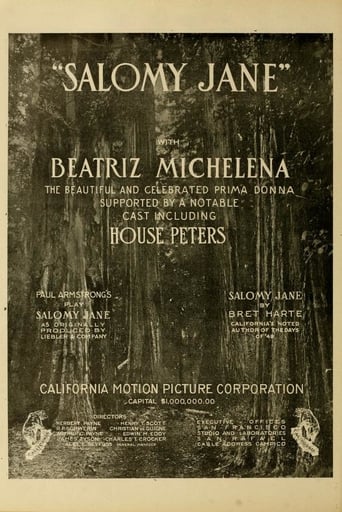
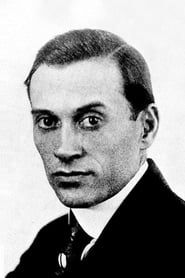
William Nigh
Director
Born: October 12, 1881 in Berlin, Wisconsin, USA Died: November 27, 1955 Active: 1914-1942
Films
6 films
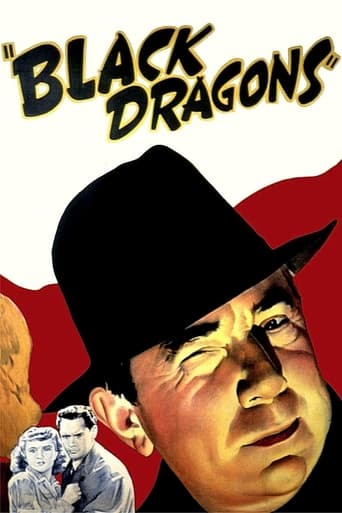
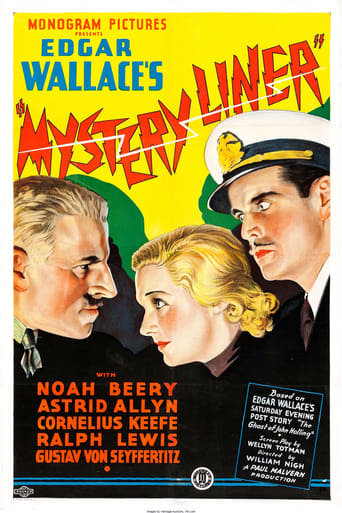
About William Nigh
William Nigh (October 12, 1881 - November 27, 1955) was an American film director, writer, and actor who became one of Hollywood's most prolific filmmakers during the silent and early sound era. Beginning his career as an actor in the early 1910s, Nigh transitioned to directing in 1914 and would go on to direct over 100 films throughout his three-decade career. He worked extensively across various genres, including westerns, mysteries, adventure films, and dramas, demonstrating remarkable versatility as a filmmaker. Nigh was particularly noted for his ability to complete productions efficiently and on budget, making him a valuable director for both major studios and smaller production companies. His career successfully spanned the challenging transition from silent films to talkies, though his later work primarily consisted of lower-budget productions for studios like Monogram Pictures. Nigh retired from filmmaking in the early 1940s, leaving behind a substantial body of work that reflected the changing landscape of American cinema during its formative decades.
The Craft
Behind the Camera
William Nigh was known for his efficient, workmanlike approach to filmmaking, often completing productions quickly and on budget. His directing style emphasized clear storytelling and effective pacing, particularly in genre films like westerns and mysteries. Nigh demonstrated particular skill in handling action sequences and maintaining narrative momentum, making his films commercially viable even with limited resources. While not considered an auteur in the modern sense, his technical competence and adaptability across different genres made him a valuable studio director during Hollywood's formative decades.
Milestones
- Directed over 100 films throughout his career
- Successfully transitioned from silent to sound era
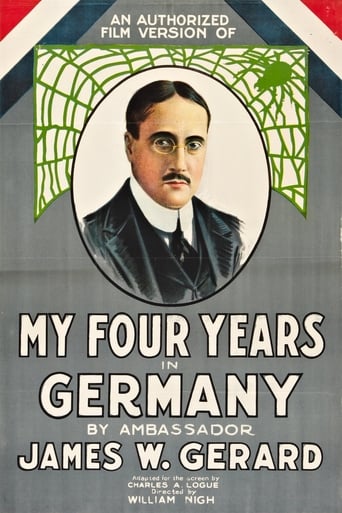
- Directed the WWI propaganda film 'My Four Years in Germany' (1918)
- Worked with major stars including Lon Chaney and Priscilla Dean
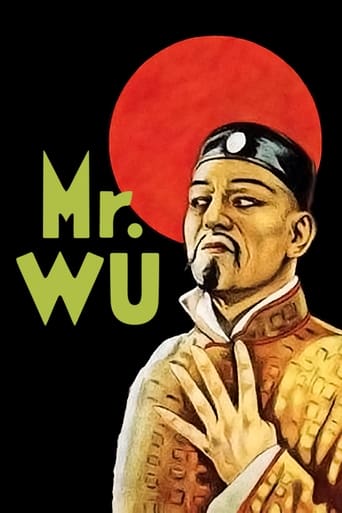
- Directed the acclaimed silent film 'Mr. Wu' (1927)
- Established himself as a reliable genre filmmaker for multiple studios
Best Known For
Must-See Films
Working Relationships
Worked Often With
Studios
Why They Matter
Impact on Culture
William Nigh's cultural impact lies primarily in his contribution to the development of American genre cinema during the silent and early sound era. His prolific output helped establish conventions and storytelling techniques that would become standard in westerns, mysteries, and adventure films. While not as remembered as some of his contemporaries, Nigh's work reflected the industrial nature of Hollywood's studio system, where reliable directors were essential for meeting the public's insatiable demand for new films. His successful navigation of the transition from silent to sound cinema demonstrated the adaptability required of filmmakers during this revolutionary period in film history.
Lasting Legacy
William Nigh's legacy is that of a quintessential Hollywood journeyman director whose work exemplified the studio system's efficiency and productivity. Though his films may not be considered classics today, they represent the type of popular entertainment that dominated American cinemas during the 1920s and 1930s. His career serves as an important reminder of the countless skilled craftsmen who built Hollywood's golden age, working behind the scenes to create the films that defined an era. Film historians and scholars studying the industrial nature of classical Hollywood cinema often cite directors like Nigh as examples of the professionals who kept the studio machine running smoothly.
Who They Inspired
While William Nigh did not develop a distinctive cinematic style that would influence subsequent generations of filmmakers, his work influenced the development of genre filmmaking conventions. His efficient approach to production and ability to work across various genres served as a model for studio directors who followed. The technical skills and narrative clarity demonstrated in his films, particularly in the mystery and western genres, contributed to the establishment of storytelling techniques that would become standard in American commercial cinema.
Off Screen
William Nigh married actress Marguerite Clayton in 1919, and their marriage lasted until his death in 1955. Clayton was a prominent silent film actress who appeared in numerous Westerns opposite stars like Harry Carey. The couple maintained a relatively private personal life away from the Hollywood spotlight. Nigh was known among colleagues as a professional and reliable filmmaker who avoided the scandals and controversies that plagued many of his contemporaries during Hollywood's golden age.
Education
Limited information available about his formal education, typical of many early film industry professionals who learned their craft through hands-on experience rather than formal training.
Family
- Marguerite Clayton (1919-1955)
Did You Know?
- Directed over 100 films during his 28-year career
- Began as an actor before transitioning to directing in 1914
- His film 'My Four Years in Germany' (1918) was a successful WWI propaganda film
- Married silent film star Marguerite Clayton, who appeared in many of his films
- Known in the industry for completing films quickly and under budget
- Successfully adapted to sound technology while many of his contemporaries struggled
- Often worked on B-movies and lower-budget productions in his later career
- Directed films featuring early Western stars like Tom Mix and Hoot Gibson
- His film 'Mr. Wu' (1927) is considered one of his most accomplished works
- Retired from filmmaking in the early 1940s as the studio system began to change
In Their Own Words
No widely documented famous quotes are available in historical records
Frequently Asked Questions
Who was William Nigh?
American on YTB.my. He was known for his work on genre films including westerns, mysteries, and adventure pictures, working for major studios like Universal and Fox as well as smaller production companies.
What films is William Nigh best known for?
Titles linked here include My Four Years in Germany (1918), Mr. Wu (1927).
When was William Nigh born and when did he die?
Born October 12, 1881; died November 27, 1955.
What awards did William Nigh win?
There are no records of William Nigh receiving major awards or Academy Award nominations during his career. Like many prolific studio directors of his era, his contributions were primarily commercial rather than critically recognized.
What was William Nigh's directing style?
William Nigh was known for his efficient, workmanlike approach to filmmaking, emphasizing clear storytelling and effective pacing. He specialized in genre films and was particularly skilled at handling action sequences while maintaining narrative momentum, making him a reliable studio director who could complete productions quickly and on budget.