

My Four Years in Germany
"Experiences under pressure"
Keys: Space play/pause · ←/→ 10s · F fullscreen · M mute · </> speed
About this film
The experiences of the American ambassador to Germany, James Gerard, are recounted in this semi-documentary.
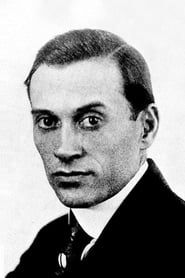
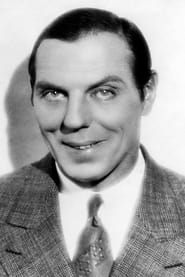
Cast & crew
More films like this
More War films
View all →


More from William Nigh
View all →

More about this film
About the production
Release dateMarch 3, 1918
Box officeModerately successful for its time, though exact figures are not recorded
ProductionFox Film Corporation
Filmed inFox Studio, Fort Lee, New Jersey
The film was rushed into production shortly after the United States entered World War I to capitalize on patriotic sentiment. James W. Gerard himself served as a technical advisor, ensuring authenticity in the depiction of diplomatic events. The production used actual newsreel footage from the war, interspersed with dramatized scenes, creating a hybrid documentary-narrative style that was innovative for its time.
Themes
PatriotismDiplomacy vs. Military AggressionAmerican ExceptionalismThe Dangers of MilitarismInternational Relations
Themes & topics
World War IAmbassadorGermanyDiplomacyPropagandaKaiser Wilhelm IIEspionagePatriotismMilitaryHistorical Drama
Historical background
Made in 1918, My Four Years in Germany reflects production norms of the silent era before feature-length dominance—shorter runtimes, regional audiences, and limited preservation infrastructure.
Why this film matters
Historians reference My Four Years in Germany (1918) when discussing 1918 film by William Nigh.
Making of
Director William Nigh worked closely with James Gerard to ensure historical accuracy, often re-shooting scenes to match Gerard's detailed recollections. The production faced challenges obtaining authentic German military uniforms and props, leading the studio to commission replicas based on photographs and Gerard's descriptions. The cast underwent extensive research to accurately portray real historical figures, with actors studying photographs and newsreels of their counterparts. The film's battle sequences were filmed using innovative techniques for the time, including miniature models and forced perspective photography to create the illusion of large-scale combat. Several German-American actors were initially cast but were replaced after pressure from patriotic groups who questioned their loyalty.
What critics said
Trade and revival screenings have kept My Four Years in Germany (1918) on the map for collectors and scholars rather than mass first-run promotion.
Did you know?
- The film was based on James W. Gerard's bestselling book 'My Four Years in Germany', published in 1917, which became a sensation in America.
- This was one of the first American films to directly portray Germany as the villain during World War I, helping to shape American public opinion.
- The film was so successful that it spawned a sequel in 1919 titled 'The Kaiser, the Beast of Berlin'.
- Some scenes were filmed using actual German uniforms and props seized by customs authorities from suspected German sympathizers.
- The film's release coincided with the height of anti-German hysteria in America, contributing to its commercial success.
- James W. Gerard, the real ambassador, made personal appearances at some screenings to promote the film and war bond drives.
- The film was banned in several neutral countries who feared it would compromise their diplomatic relations with Germany.
- Fox Film Corporation used profits from this film to establish the Fox Film War Relief Fund.
- The Kaiser character was played by an actor who had actually met Wilhelm II in person before the war.
- The film included a controversial scene depicting German soldiers bayoneting babies, which was later cut in some markets for being too graphic.
Awards & recognition
- No major awards were given for this film, as the Academy Awards were not established until 1929
Visual style
The film employed a mix of traditional studio photography and authentic newsreel footage from the war, creating a hybrid visual style that enhanced its documentary feel. Cinematographer Arthur Edeson used innovative techniques to combine these disparate elements seamlessly. The battle sequences utilized multiple camera angles and dynamic movement that was advanced for the time, creating a sense of immediacy and danger. The studio scenes were shot with careful attention to period detail, using lighting techniques that emphasized the ominous atmosphere of pre-war Germany. The film also made effective use of close-ups to capture the emotional intensity of key diplomatic confrontations.
Innovations
The film was notable for its innovative integration of actual newsreel footage with studio-shot dramatic scenes, a technique that was relatively new in 1918. The production used sophisticated matte painting techniques to create the illusion of European locations without leaving the studio. The film also employed early forms of cross-cutting between documentary footage and dramatized scenes to create continuity and enhance the narrative flow. The battle sequences utilized forced perspective and carefully choreographed crowd scenes to simulate large-scale military action on a limited budget. These technical innovations helped establish new standards for war film production.
Music
As a silent film, 'My Four Years in Germany' was accompanied by live musical performances during its theatrical run. Theaters typically used compiled scores that included popular patriotic songs of the era, classical pieces by German composers (used ironically), and original compositions created specifically for the film. The musical accompaniment was designed to enhance the emotional impact of key scenes, with martial music accompanying German military displays and somber melodies underscoring scenes of civilian suffering. Some larger theaters employed full orchestras, while smaller venues used piano or organ accompaniment.
Famous quotes
The German people are not our enemies, but their government has made them instruments of a war machine." - James Gerard
I have seen the transformation of a nation from peace to war, from civilization to barbarism." - Gerard
In Germany, everything is organized for war, even the children are taught to hate." - Gerard
The Kaiser dreams of world domination, but the German people pay the price." - Gerard
Diplomacy has failed when the guns begin to speak." - Gerard
Memorable scenes
- The dramatic confrontation between Ambassador Gerard and Kaiser Wilhelm II, where the Kaiser dismissively waves away American concerns about submarine warfare. This scene was particularly powerful for audiences as it represented the arrogance of German leadership.
- The sequence showing the sinking of the Lusitania, combining actual newsreel footage with dramatized reactions from German officials celebrating the attack.
- Gerard's farewell scene at the Berlin train station, where he is surrounded by hostile German crowds as he leaves the country following the break in diplomatic relations.
- The espionage subplot showing German agents attempting to steal American secrets from the embassy, highlighting the atmosphere of suspicion and intrigue.
- The final scene of Gerard testifying before Congress, providing the moral and patriotic conclusion to the narrative.
What audiences thought
The film was enormously popular with American audiences during its initial release, playing to packed theaters in major cities across the country. Many viewers reported being deeply moved by what they believed was an authentic account of German treachery. The film sparked numerous patriotic discussions and was often followed by war bond drives at theaters. Audience members particularly responded to scenes depicting German aggression against civilians, which reinforced existing fears about the German threat. The film's success led to increased demand for similarly patriotic content, influencing the types of films studios produced during the remainder of the war period.
Film connections
Influenced by
- Gerard's book 'My Four Years in Germany'
- Contemporary newsreels
- Earlier war films like 'The Battle Cry of Peace' (1915)
- D.W. Griffith's historical epics
This film influenced
- The Kaiser, the Beast of Berlin (1919)
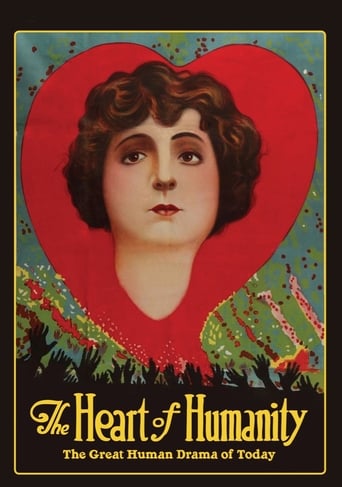
- The Heart of Humanity (1918)
- Behind the Lines (1918)
- Later World War I propaganda films
Film restoration
The film is partially preserved with some scenes missing. The Library of Congress holds an incomplete copy, and portions of the film exist in various archives including the Museum of Modern Art and the UCLA Film and Television Archive. Some sequences, particularly those depicting graphic war violence, were cut from various versions and may be lost. The Fox Film Corporation's nitrate original was likely destroyed in the 1937 vault fire, though copies had already been made for distribution.
Where to watch
- The film is available for viewing at the Library of Congress Packard Campus for Audio Visual Conservation
- Some archives occasionally screen the film during silent film festivals
- Fragments and clips are occasionally shown in documentary programs about World War I propaganda
- The film is not commercially available on home video or streaming platforms due to its incomplete preservation status