
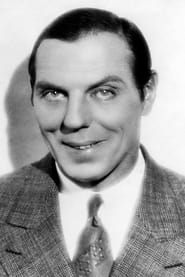
Karl Dane
Actor
Born: October 12, 1886 in Copenhagen, Denmark Died: April 14, 1934 Active: 1918-1930 Birth Name: Karl Gottlieb Otto Karlsen
Films
10 films
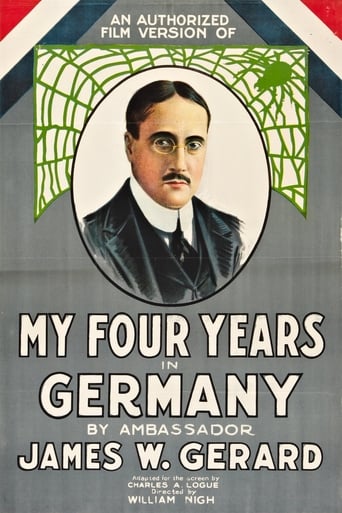
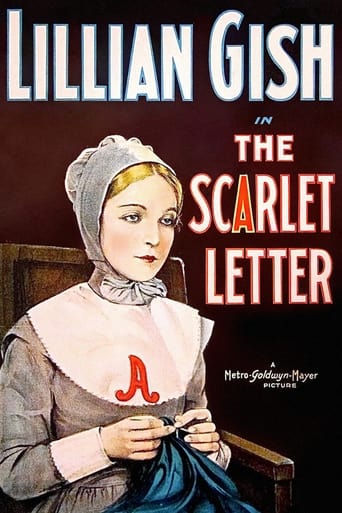
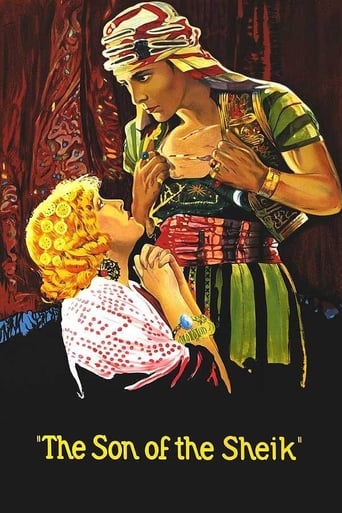
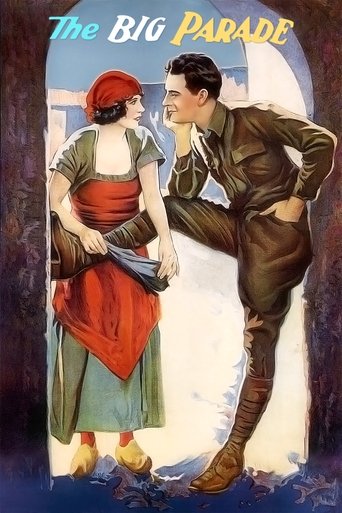
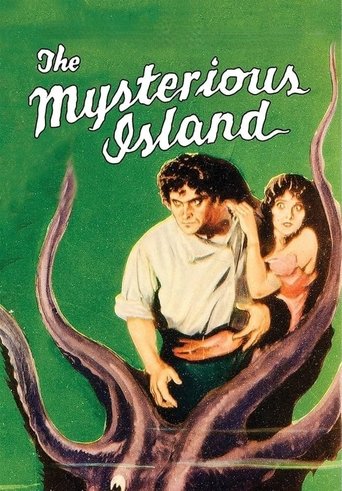
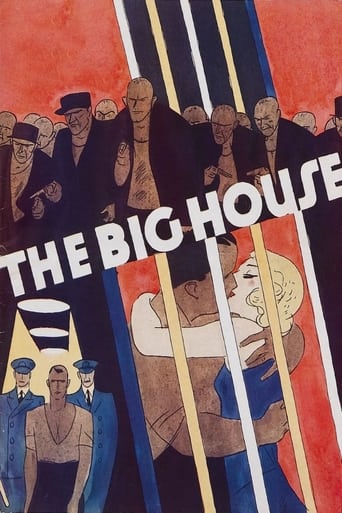
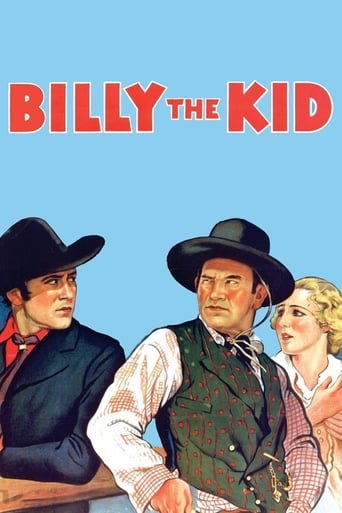
About Karl Dane
Danish-American actor who rose to prominence during the silent film era, becoming one of MGM's most popular character actors in the mid-1920s. Born Karl Gottlieb Otto Karlsen in Copenhagen, Denmark, he served in the Danish army and worked as a mechanic before immigrating to the United States. He was discovered by director King Vidor while working as an extra and quickly signed with MGM, where his tall, lanky frame and expressive face made him ideal for comic relief roles. Dane's breakthrough came with his memorable performance as 'Slim' in King Vidor's masterpiece 'The Big Parade' (1925), successful silent films of all time. He subsequently formed a successful comedy duo with British actor George K. Arthur, starring together in numerous films including 'The Boy Friend' (1926) and 'Rookies' (1927). With the advent of sound films, Dane's thick Danish accent proved a significant obstacle, and his career rapidly declined despite attempts to transition to talkies. Financial struggles and depression plagued his final years, leading to his tragic suicide at age 47 in 1934, marking the sad end of a once-promising Hollywood career.
The Craft
On Screen
Dane specialized in physical comedy and expressive facial performances that were perfectly suited for silent films. He used his tall, lanky frame and distinctive appearance to create memorable comic characters, often playing the loyal friend or bumbling sidekick. His timing and ability to convey emotion through exaggerated expressions made him a favorite among audiences of the silent era.
Milestones
- Discovered by director King Vidor while working as an extra
- Signed contract with MGM in the 1920s
- Breakthrough role as 'Slim' in The Big Parade (1925)
- Formed successful comedy duo with George K. Arthur
- Appeared in over 70 films during his career
- Transitioned from Danish mechanic to Hollywood star
Best Known For
Iconic Roles
Must-See Films
Accolades
Special Recognition
- Hollywood Walk of Fame star (located at 6340 Hollywood Boulevard)
Working Relationships
Worked Often With
Studios
Why They Matter
Impact on Culture
Karl Dane's career trajectory serves as a poignant example of the devastating impact the transition to sound films had on many silent era actors, particularly those with foreign accents. His story illustrates the harsh realities of Hollywood during this transitional period, when careers could rise and fall with remarkable speed. Despite his popularity in the mid-1920s, Dane's inability to adapt to talkies represents the challenges faced by many character actors whose distinctive voices didn't match the expectations of the new sound era. His tragic end has become part of Hollywood lore, symbolizing the dark side of fame and the precarious nature of stardom in early cinema.
Lasting Legacy
Karl Dane's legacy lies primarily in his memorable performances in some of the most significant silent films of the 1920s, particularly his role in 'The Big Parade,' which remains. His successful comedy partnership with George K. Arthur represents one of the notable comedy duos of the silent era. Today, film historians and silent cinema enthusiasts remember Dane as a talented performer whose career exemplifies the dramatic changes in Hollywood during the transition from silent to sound films. His story serves as a cautionary tale about the fleeting nature of fame and the importance of adaptability in the entertainment industry.
Who They Inspired
While Karl Dane did not have a lasting influence on subsequent generations of actors due to his shortened career and early death, his physical comedy style and character performances contributed to the development of the comedy sidekick archetype in silent films. His successful partnership with George K. Arthur demonstrated the commercial viability of comedy duos in silent cinema, influencing similar pairings in later years. His tragic story has also influenced how historians and filmmakers view the transition period from silent to sound films, highlighting the human cost of technological and industrial changes in Hollywood.
Off Screen
Karl Dane married twice during his lifetime. His first marriage was to Swedish actress Helen Benson, with whom he had a son named Kalle. After Benson's death, he married Thelma Ryan, a telephone operator, in 1930. His later years were marked by severe financial difficulties, with his earnings from his film career largely depleted. These struggles, combined with his inability to secure work in sound films, led to severe depression. He operated a hot dog stand outside MGM studios in a desperate attempt to earn money before ultimately taking his own life in 1934.
Education
Limited formal education; served in the Danish military as a young man
Family
- Helen Benson (1918-1925, until her death)
- Thelma Ryan (1930-1934, until his death)
Did You Know?
- Born as Karl Gottlieb Otto Karlsen in Copenhagen, Denmark
- Served as a soldier in the Danish army before becoming an actor
- Worked as a mechanic and blacksmith before entering films
- Was discovered by director King Vidor while working as an extra
- His thick Danish accent made it nearly impossible for him to transition to sound films
- Formed. Arthur
- Despite earning substantial money during his peak, he died nearly penniless
- Operated a hot dog stand outside MGM studios during his financial struggles
- Committed suicide with a.38 caliber revolver in his apartment
- His Hollywood Walk of Fame star was awarded posthumously
- Appeared in over 70 films during his 12-year career
- His last film appearance was in 1930, four years before his death
In Their Own Words
I was a star one day and a nobody the next. The talkies ruined me.
In the silents, all you needed was expression. When sound came, my Danish accent was my downfall.
Frequently Asked Questions
Who was Karl Dane?
Danish-American with credits in this catalog. Arthur. He appeared in notable films like 'The Big Parade' (1925) and 'The Son of the Sheik' (1926) before his career declined with the advent of sound films.
What films is Karl Dane best known for?
Titles linked here include The Big Parade (1925), The Son of the Sheik (1926).
When was Karl Dane born and when did he die?
Born October 12, 1886; died April 14, 1934.
What awards did Karl Dane win?
While Karl Dane did not receive any major film awards during his lifetime, he was posthumously honored with a star on the Hollywood Walk of Fame at 6340 Hollywood Boulevard. His contributions to silent cinema are recognized by film historians and classic film enthusiasts.
What was Karl Dane's acting style?
Karl Dane specialized in physical comedy and expressive performances that were ideal for silent films. He used his tall, lanky frame and distinctive appearance to create memorable comic characters, often playing loyal friends or bumbling sidekicks with excellent timing and exaggerated expressions.
Why did Karl Dane's career end?
Karl Dane's career ended primarily due to the transition from silent to sound films. His thick Danish accent made it difficult for him to secure speaking roles in talkies, and despite attempts to adapt, he could not find work in the new sound era, leading to financial struggles and depression.
Did Karl Dane have any famous collaborators?
Karl Dane's most famous collaborator was George K. Arthur, with whom he formed a successful comedy duo in the late 1920s. He was also discovered and mentored by director King Vidor, and appeared alongside stars like John Gilbert and Renée Adorée in major MGM productions.