The Big Parade
"Idle rich boy meets trench war"
Keys: Space play/pause · ←/→ 10s · F fullscreen · M mute · </> speed
About this film
Idle Jim Apperson joins the Rainbow Division, befriends working-class soldiers in France, and falls for French farm girl Melisande amid trench horror. Vidor's 1925 war epic defined battle spectacle for a generation.
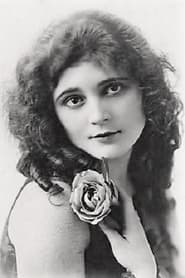
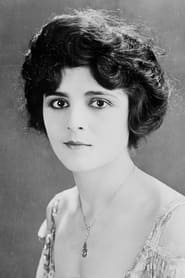
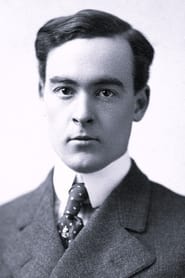
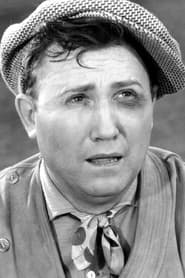
Cast & crew
More films like this

More Romance films
View all →




More from King Vidor
View all →

More about this film
About the production
Release dateNovember 5, 1925
Budget$245,000
Box office$6-7 million (among the leading profitable silent films ever made)
ProductionMetro-Goldwyn-Mayer (MGM)
Filmed inMGM Studios, Culver City, California, San Antonio, Texas (training scenes), Various locations in California for French countryside scenes
King Vidor insisted on realistic battle sequences, using hundreds of extras and creating actual trenches. The production faced challenges filming the large-scale war scenes, requiring careful coordination of thousands of soldiers and explosions. Vidor, who had served in the Army but never saw combat, drew on stories from veterans to ensure authenticity. The famous 'marching through the mud' sequence took days to film and left the actors genuinely exhausted. MGM initially resisted the project, considering war films too risky after the recent conflict, but Vidor's persistence paid off.
Themes
The brutality and futility of warClass unity and friendship across social divisionsThe transformative power of loveThe loss of innocenceThe psychological impact of combat
Themes & topics
World War IRainbow DivisionTrench warfareCross-class friendshipFrench villageAmputeeSoldier's transformationWar romanceMilitary trainingBattle trauma
Historical background
Archival records place The Big Parade in 1925, a year when the silent feature period shaped what theaters booked.
Why this film matters
Retrospectives include The Big Parade when mapping craft and subject matter from the silent feature period.
Making of
King Vidor fought hard to get the release made, as MGM executives were hesitant about producing a war film so soon after World War I. He convinced them by emphasizing the human story rather than focusing solely on combat. The production employed thousands of extras and used real military equipment loaned by the U.S. Army. For the battle sequences, Vidor insisted on authenticity, having the actors actually crawl through mud and live in rough conditions. John Gilbert and Renée Adorée began a real-life romance during filming, though their relationship was complicated by Gilbert's marriage at the time. The film's most famous scene, where Gilbert carries Adorée through a wheat field, was reportedly shot in one take and became defining images of silent cinema. Vidor used innovative camera techniques, including tracking shots that followed the marching soldiers, creating a sense of immersion that was revolutionary for its time.
What critics said
Critics revisiting The Big Parade emphasize performative and technical choices visible in surviving prints.
Did you know?
- The Big Parade was the highest-grossing film of 1925 and among the leading profitable silent films in MGM history, earning over $6 million on a $245,000 budget.
- King Vidor based the film on his own experiences in the Army during WWI, though he never saw combat. He incorporated stories from veterans he knew.
- The film's success made John Gilbert the highest-paid actor in Hollywood, earning $10,000 per week.
- Renée Adorée, who played Melisande, was actually French but spoke little English during filming, relying on Vidor's direction.
- The famous scene where Gilbert carries Adorée through the wheat field was filmed in California's San Fernando Valley, not France.
- The film's battle sequences were so realistic that some veterans who attended screenings experienced flashbacks.
- MGM initially wanted to cut the film's length, but Vidor fought to keep the complete version, which proved to be the right decision.
- The character of 'Bull' was played by Karl Dane, a Danish actor who became a popular comedy sidekick in silent films.
- The film's title was inspired by the military term for soldiers marching in formation.
- A young David O. Selznick worked as an assistant on the film before becoming a producer.
- The film's success led to MGM producing more war films, though none matched its impact or profitability.
Awards & recognition
- Photoplay Magazine Medal of Honor (1925) - King Vidor
- Kinema Junpo Award (1926) - Best Foreign Film
Visual style
The cinematography, by John Arnold and Ira H. Morgan, was groundbreaking for its time, particularly in the battle sequences. The film employed innovative camera movements, including tracking shots that followed soldiers through trenches and across battlefields, creating an unprecedented sense of immersion. The contrast between the bright, romantic scenes in the French countryside and the dark, muddy trenches was achieved through careful lighting and location choices. The famous marching sequence used long takes to emphasize the endless nature of the soldiers' journey. The cinematography also captured intimate moments with equal skill, using close-ups effectively to convey the emotional states of the characters. The film's visual style influenced how war would be depicted in cinema for decades, establishing techniques that would become standard in the genre.
Innovations
The Big Parade featured several technical innovations that influenced future filmmaking. The battle sequences employed pioneering techniques for staging large-scale action, using hundreds of extras and carefully choreographed explosions to create realistic combat scenes. The film's use of location shooting and detailed set construction created an unprecedented sense of authenticity. King Vidor employed innovative camera movements, including tracking shots that followed soldiers through trenches, creating a more immersive experience for audiences. The film's editing, particularly in the battle sequences, used rapid cutting to convey the chaos of combat while maintaining narrative clarity. The production also developed new techniques for creating realistic mud and battlefield conditions on set. These technical achievements helped establish new standards for war films and demonstrated the potential of cinema to depict complex historical events with realism and emotional impact.
Music
As a silent film, The Big Parade originally featured live musical accompaniment that varied by theater. The score typically combined popular songs of the era with classical pieces adapted to fit the mood of each scene. The most famous musical element was the use of 'Charmaine' (a popular song from 1926) which became associated with the film in later reissues. In 1988, composer Carl Davis created a new orchestral score for the film's restoration, which has become the standard version for modern screenings. The original theater organ scores emphasized the emotional contrasts in the film, using romantic melodies for the love scenes and dissonant, dramatic music for the battle sequences. The music played a crucial role in conveying the film's emotional arc, particularly in scenes without intertitles.
Famous quotes
I'm going to march in the big parade! - James Apperson (John Gilbert)
You can't go back to the way you were. You're different now. - Slim (Tom O'Brien)
I'll come back. I'll come back for you. - James to Melisande
War isn't what you think it is. It's not flags and parades. It's mud and blood. - Bull (Karl Dane)
We're all in the same mud now. - Slim
She mended my heart as well as my uniform. - James about Melisande
Memorable scenes
- The wheat field scene where James carries Melisande through the tall grass, defining images of silent cinema
- The marching sequence showing soldiers trudging endlessly through mud and rain
- The farewell scene at the railroad station as the soldiers leave for the front
- The chaotic battle sequence in the trenches, showing the brutal reality of combat
- The reunion scene where James, now an amputee, finds Melisande waiting for him
- The training camp sequence showing the bonding between James, Slim, and Bull
- The scene where Melisande mends James's uniform, the beginning of their romance
What audiences thought
The Big Parade was a phenomenal commercial success, becoming the highest-grossing film of 1925 and among the leading profitable silent films in Hollywood history. Audiences were deeply moved by its realistic portrayal of war and its emotional love story. The film's success was particularly notable given its serious subject matter and lengthy runtime (151 minutes). Many veterans attended screenings and reported that the film accurately captured their experiences, though some found the battle scenes too intense. The film's popularity extended beyond the United States, achieving international success despite its American perspective. The chemistry between John Gilbert and Renée Adorée captivated audiences, making them especially popular on-screen couples of the silent era. The film's box office performance helped establish MGM as a major studio and demonstrated that serious, artistically ambitious films could be commercially successful.
Film connections
Influenced by
- What Price Glory? (1926) - influenced its realistic approach to military life
- The Four Horsemen of the Apocalypse (1921) - influenced its epic scale and romantic elements
- D.W. Griffith's war sequences in 'Hearts of the World' (1918) - influenced battle scene techniques
This film influenced
- All Quiet on the Western Front (1930)
- A Farewell to Arms (1932)
- Sergeant York (1941)
- The Best Years of Our Lives (1946)
- Saving Private Ryan (1998)
- War Horse (2011)
Film restoration
The Big Parade has been well-preserved and restored. In 1988, the film underwent a major restoration by MGM/UA and the Museum of Modern Art, which included recreating the original tinting and toning. A complete 35mm print exists in the MGM archives, and the film has been preserved by the Library of Congress as part of the National Film Registry (inducted in 1992). The restoration work included repairing damage to original negatives and creating new preservation elements. The film is considered to be in excellent condition for a silent film of its era, with all major sequences intact. Digital restorations have been made for modern distribution, ensuring the film's continued accessibility.
Where to watch
- The Criterion Collection (Blu-ray/DVD)
- Warner Archive Collection (DVD)
- The Criterion Channel (streaming)
- Turner Classic Movies (occasional broadcasts)
- MUBI (streaming)
- Kanopy (streaming with library card)
- Various film archive screenings and retrospectives