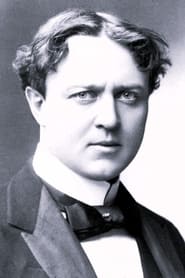
Hobart Bosworth
Actor
Born: August 11, 1867 in Marietta, Ohio, USA Died: December 30, 1943 Active: 1910-1932 Birth Name: Hobart Van Zandt Bosworth
Films
21 films
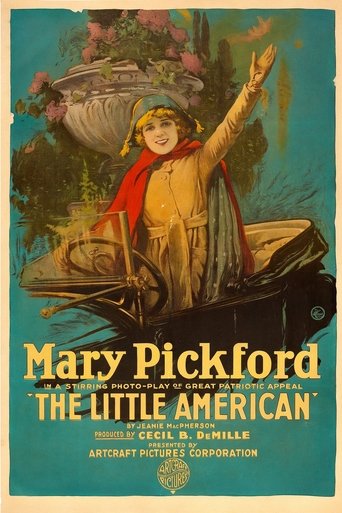
The Little American
1917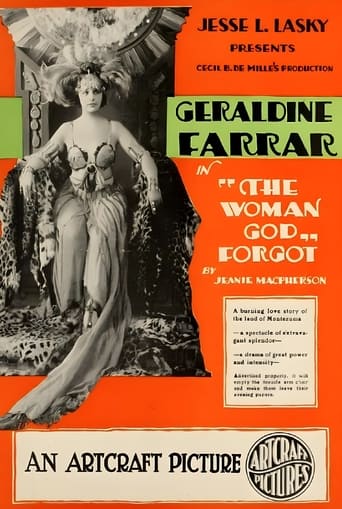
The Woman God Forgot
1917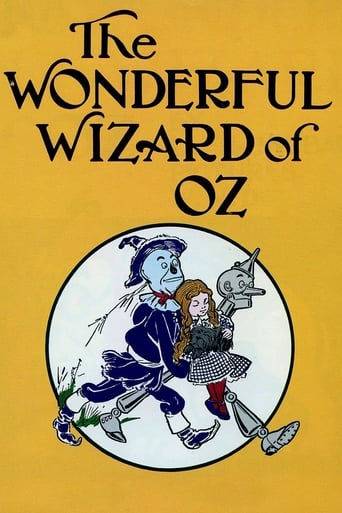
The Wonderful Wizard of Oz
1910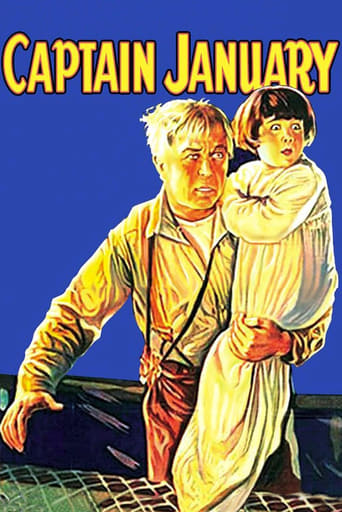
Captain January
1924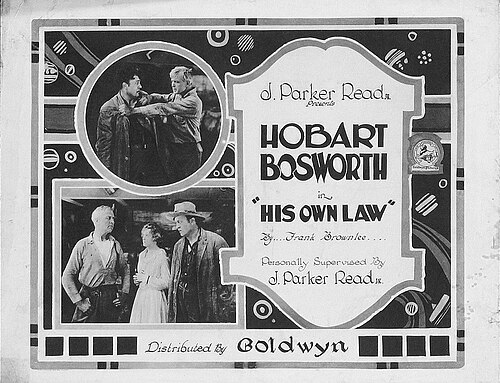
His Own Law
1920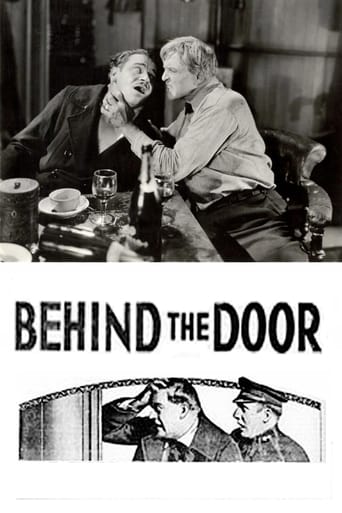
Behind the Door
1919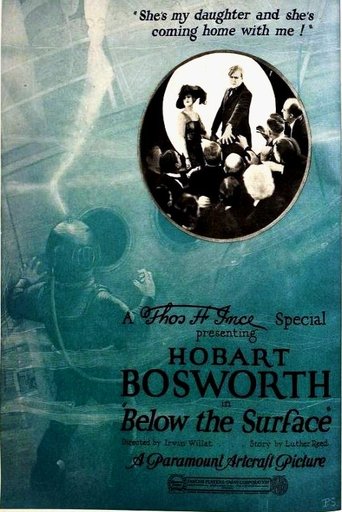
Below the Surface
1920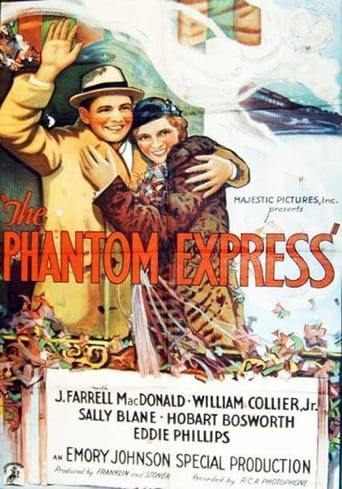
The Phantom Express
1932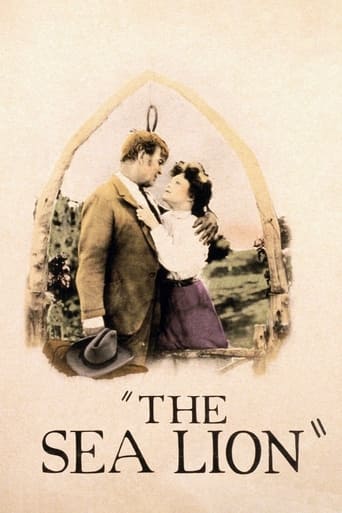
The Sea Lion
1921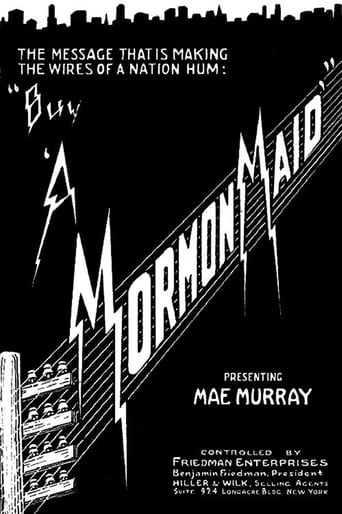
A Mormon Maid
1917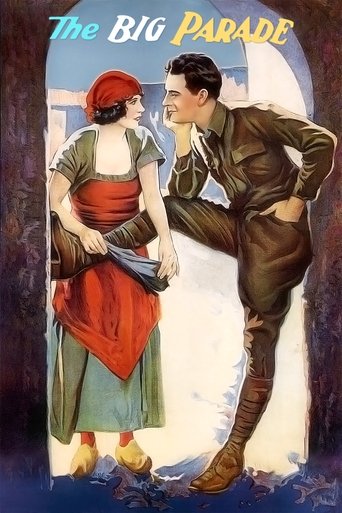
The Big Parade
1925
A Woman of Affairs
1928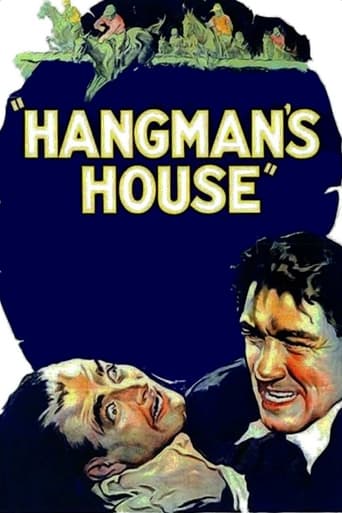
Hangman's House
1928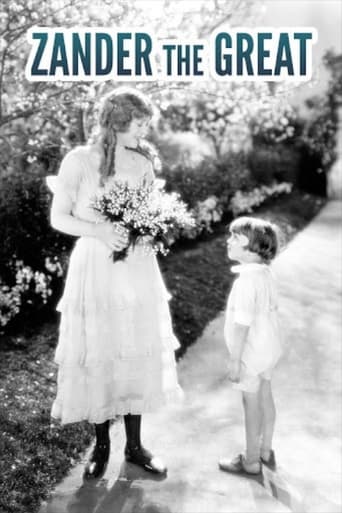
Zander the Great
1925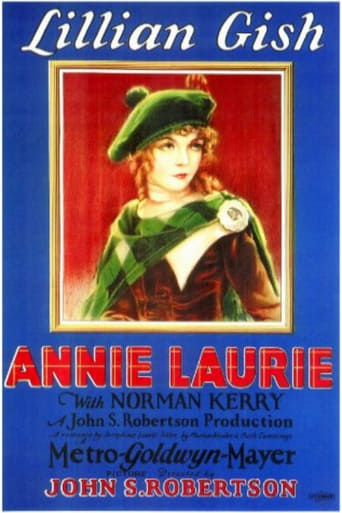
Annie Laurie
1927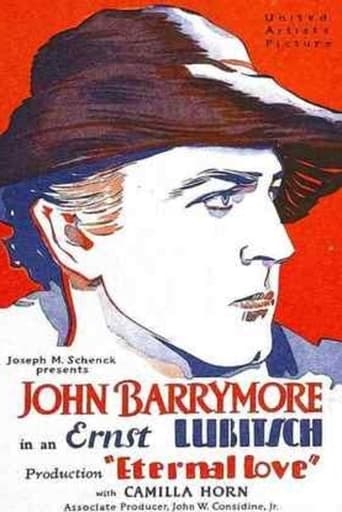
Eternal Love
1929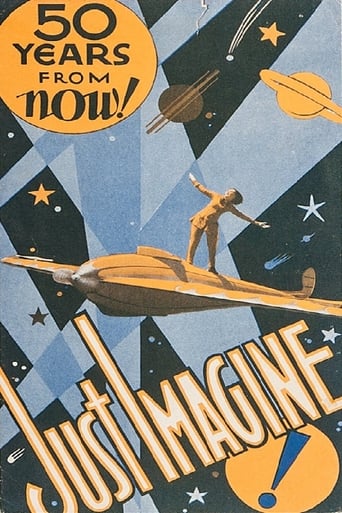
Just Imagine
1930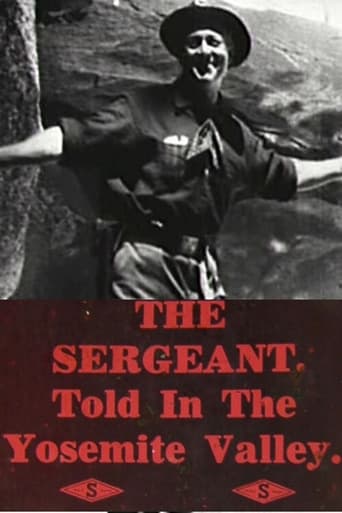
The Sergeant
1910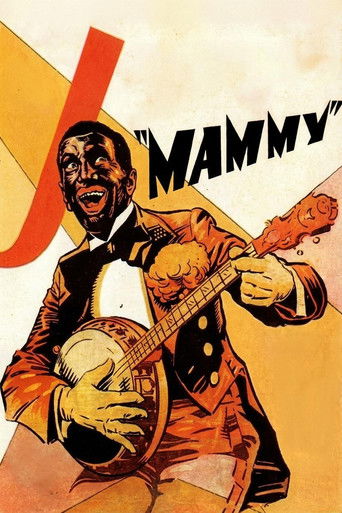
Mammy
1930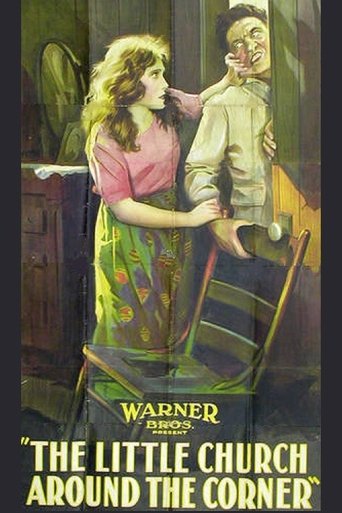
Little Church Around the Corner
1923About Hobart Bosworth
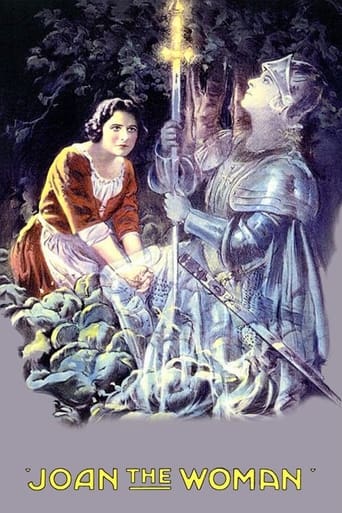
Hobart Van Zandt Bosworth — American actor, director, and producer who in establishing Hollywood as the center of American cinema. Born in 1867, he began his career as a stage actor in the late 19th century before transitioning to the emerging film industry around 1910. Bosworth quickly became figures in early Hollywood, founding his own production company (Hobart Bosworth Productions) in 1913, making him one of the first independent filmmakers in California. He directed and starred in numerous silent films, often collaborating with Cecil B. DeMille on major productions like 'Joan the Woman' and 'The Little American.' Bosworth was known for his commanding screen presence and versatility, playing everything from villains to authoritative father figures. His the transition from silent films to talkies, and he continued acting until his retirement in the early 1930s. Beyond his on-screen work, Bosworth was instrumental in developing the studio system and mentoring many early Hollywood talents, leaving an indelible mark on the foundations of American cinema.
The Craft
On Screen
Bosworth was known for his commanding stage presence and theatrical acting style, typical of actors transitioning from legitimate theater to film. His performances were characterized by strong gestures, expressive facial work, and a deep, resonant voice that served him well in the transition to sound films. He excelled at portraying authoritative figures, patriarchs, and villains, bringing a gravitas and dignity to his roles that made him a reliable character actor throughout his career.
Milestones
- Founded Hobart Bosworth Productions in 1913, one of Hollywood's first independent production companies
- Directed and starred in over 50 films during the silent era
- Collaborated extensively with Cecil B. DeMille on major productions
- Successfully transitioned from silent films to talkies
- Appeared in the first film adaptation of 'The Wizard of Oz' (1910)
- Helped establish Hollywood as the center of American film production
- Mentored numerous early Hollywood actors and directors
Best Known For
Iconic Roles
Must-See Films
Accolades
Special Recognition
- Hollywood Walk of Fame star (located at 6522 Hollywood Boulevard)
- Pioneer in Hollywood film production recognized by film historians
- Inducted into the Western Performers Hall of Fame (posthumously)
Working Relationships
Worked Often With
Studios
Why They Matter
Impact on Culture
Hobart Bosworth played a crucial role in shaping early Hollywood and establishing California as the epicenter of American film production. His decision to move west and establish his own production company helped demonstrate the viability of year-round filming in California's favorable climate. Bosworth was among the first to recognize the commercial potential of feature-length films and was instrumental in developing the studio system that would dominate Hollywood for decades. His work with Cecil B. DeMille helped establish the epic historical drama as a popular genre, influencing countless filmmakers who followed. As both a creative talent and businessman, Bosworth embodied the entrepreneurial spirit that defined early Hollywood.
Lasting Legacy
Hobart Bosworth's legacy lies in his dual contribution as both a creative artist and industry pioneer. While many of his films have been lost to time, his influence on the development of Hollywood's studio system and his role in establishing California as the film capital of the world cannot be overstated. He is remembered by film historians as one of the important transitional figures between the nickelodeon era and the golden age of Hollywood. His willingness to take creative and financial risks paved the way for future independent filmmakers, and his mentorship of young talent helped nurture the next generation of Hollywood professionals.
Who They Inspired
Bosworth influenced countless actors and directors through his work in the 1910s and 1920s. His success as an independent producer demonstrated that filmmakers could operate outside the emerging studio system, inspiring future generations of independent filmmakers. His acting style, rooted in theatrical tradition but adapted for the screen, served as a model for other stage actors transitioning to film. His collaboration with Cecil B. DeMille helped establish working relationships between stars and directors that would become standard practice in Hollywood.
Off Screen
Hobart Bosworth led a colorful personal life that mirrored the dramatic nature of his film career. He was married twice, first to actress Adele Farrington, with whom he frequently collaborated professionally before their divorce. His second marriage was to fellow actress Ethel Clayton, which lasted until his death. Bosworth was known in Hollywood circles for his business acumen and his willingness to take risks, as evidenced by his establishment of his own production company. He suffered from health issues in his later years, including heart problems that eventually led to his death in 1943 at the age of 76.
Education
Limited formal education, primarily trained in theater through practical experience and apprenticeships with traveling theater companies in the 1880s and 1890s
Family
- Adele Farrington (1908-1919)
- Ethel Clayton (1920-1943)
Did You Know?
- Was one of the first actors to establish his own production company in Hollywood
- Served in the U.S. Navy before becoming an actor
- Began his entertainment career as a singer and minstrel performer
- Lost the sight in one eye due to an accident during his theater days
- Was known as 'The Dean of Hollywood' in his later years
- Appeared in the very first film adaptation of 'The Wizard of Oz' in 1910
- Was an accomplished pilot and owned several aircraft
- Spoke multiple languages, which helped him in international productions
- Was one of the first Hollywood stars to live in Beverly Hills
- His production company was one of the first to build permanent sets in California
In Their Own Words
The motion picture is not merely entertainment; it is the most powerful educational force in the world today.
In Hollywood, we don't make pictures - we make dreams that become reality for millions.
The secret to longevity in this business is simple: never stop learning and never lose your passion for the craft.
Frequently Asked Questions
Who was Hobart Bosworth?
American actor, on YTB.my. He founded one of the first independent production companies in California and appeared in over 200 films between 1910 and 1932.
What films is Hobart Bosworth best known for?
Titles linked here include The Wonderful Wizard of Oz (1910), Joan the Woman (1916).
When was Hobart Bosworth born and when did he die?
Born August 11, 1867; died December 30, 1943.
What awards did Hobart Bosworth win?
While Hobart Bosworth didn't receive major competitive awards during his career, he was posthumously honored with a star on the Hollywood Walk of Fame and recognized by film historians as a pioneer of early Hollywood cinema.
What was Hobart Bosworth's acting style?
Bosworth's acting style was rooted in his theatrical background, characterized by commanding presence, strong gestures, and expressive facial work. He excelled at portraying authoritative figures and brought gravitas to his roles, which served him well in both silent and sound films.
How did Hobart Bosworth influence Hollywood?
Bosworth significantly influenced Hollywood by establishing one of the first independent production companies, helping demonstrate California's viability as a filming location, and contributing to the development of the studio system. His work with Cecil B. DeMille helped establish the historical epic genre, and his mentorship of young talent nurtured future Hollywood professionals.