


Zander the Great
"Run with Zander — outrun the orphanage"
Keys: Space play/pause · ←/→ 10s · F fullscreen · M mute · </> speed
About this film
Orphan Mamie protects boy Zander from abusive orphanage by fleeing with him across Western adventure. Madge Bellamy vehicle mixes maternal rescue with frontier action.
Cast & crew
More films like this
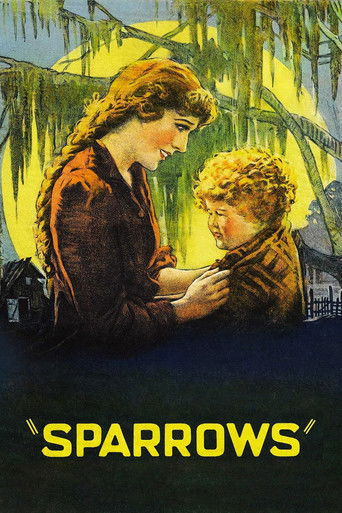
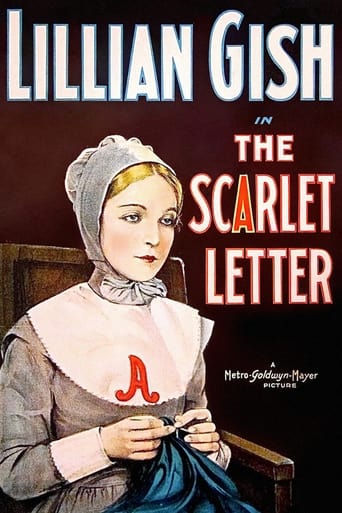
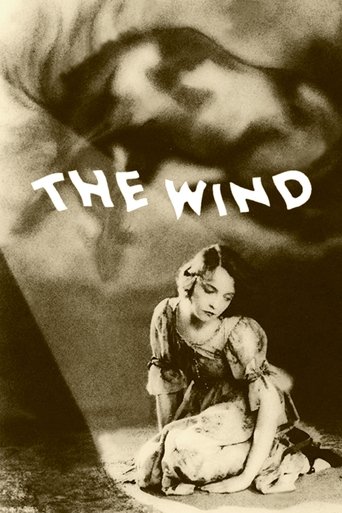
More Drama films
View all →







More from George W. Hill
View all →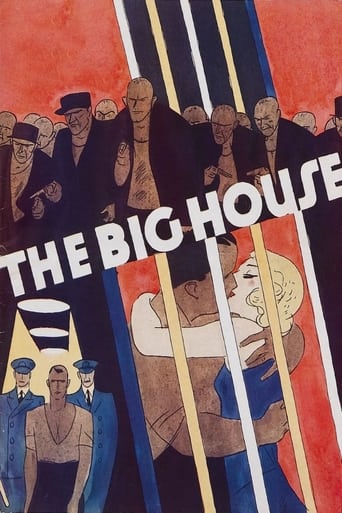
More about this film
About the production
Release dateMarch 16, 1925
Box officeThe film was moderately successful, earning approximately $500,000 in domestic rentals, making it a profitable venture for Cosmopolitan Productions and MGM
ProductionCosmopolitan Productions, Metro-Goldwyn-Mayer (MGM)
Filmed inMGM Studios, Culver City, California, Various California locations for exterior scenes
This was one of Marion Davies' more dramatic roles, moving away from her usual comedic performances. William Randolph Hearst, Davies' powerful benefactor and owner of Cosmopolitan Productions, took special interest in this production and was often on set. The film was adapted from the stage play by Edward J. Montagne and underwent several script revisions to better showcase Davies' dramatic range. Director George W. Hill was known for his ability to extract strong emotional performances from his actors, which was crucial for this melodramatic material.
Themes
Maternal protection and sacrificeInstitutional abuse and corruptionThe resilience of the human spiritFound family and chosen bondsSocial injustice and reform
Themes & topics
orphanabuseprotectionjourneymaternal lovefugitivesocial reformmelodramasilent filmchild welfareinstitutional corruptiondesertsurvival
Historical background
Zander the Great (1925) belongs to 1920s child-rescue Western melodramas.
Why this film matters
Orphan-escape narratives appealed to family audiences amid social concern over institutions.
Making of
The production of 'Zander the Great' was marked by William Randolph Hearst's intense involvement in every aspect of the film. Hearst, deeply invested in Marion Davies' career, personally approved the project and oversaw script development to ensure it would showcase his protégé's dramatic abilities. Director George W. Hill, known for his meticulous attention to detail and demanding directing style, pushed Davies to deliver what many consider her finest dramatic performance. The orphanage sequences proved particularly challenging to film, as the emotional intensity required multiple takes and left both Davies and the child actors emotionally drained. The production team built elaborate sets on the MGM backlot, including a convincing orphanage interior and desert landscapes. Cinematographer Ira H. Morgan employed innovative lighting techniques to enhance the film's emotional impact, particularly in the darker scenes of abuse and despair. The film's score, composed by William Axt, was one of the more elaborate musical accompaniments of the silent era, featuring original themes for the main characters.
What critics said
Trade reviews noted action; historians file it among mid-tier silent Westerns.
Did you know?
- Marion Davies considered this one of her favorite dramatic roles, as it allowed her to move beyond the light comedies she was typically associated with
- The film's child actor, Harrison Ford (not to be confused with the later star), was discovered by director George W. Hill and this was his breakthrough role
- William Randolph Hearst reportedly had the script rewritten multiple times to ensure Davies' character was portrayed with maximum sympathy
- The orphanage scenes were so realistic that some audience members reportedly believed actual child abuse was being filmed
- The film's success led to Marion Davies being offered more dramatic roles, though she would continue to primarily appear in comedies
- A scene where Davies carries the sleeping child through a desert was filmed in extreme heat, requiring multiple takes
- The film was one of the first to use the new panchromatic film stock for certain scenes, which better captured skin tones
- Contemporary advertisements emphasized the film's 'heart-wrenching' emotional content rather than Davies' usual glamour
- The original stage play had a different ending, but was changed for the film to provide a more uplifting conclusion
- Director George W. Hill and Marion Davies would collaborate again on several other films throughout the 1920s
Awards & recognition
- No major awards were given for the production, as it was released before the Academy Awards were established in 1929
Visual style
The cinematography by Ira H. Morgan employed sophisticated techniques for its time, utilizing the full range of lighting possibilities available in 1925. Morgan made effective use of chiaroscuro lighting in the orphanage scenes to create a sense of oppression and danger, contrasting sharply with the warmer, more natural lighting used in the outdoor sequences. The film featured several innovative tracking shots, particularly in the scenes where Davies carries the child through difficult terrain, creating a sense of movement and struggle. Morgan also experimented with soft focus techniques during emotional moments, a technique that would become more common in the late 1920s. The desert sequences were filmed using special filters to enhance the harshness of the landscape, creating visual metaphors for the characters' emotional journey. The film's visual style successfully balanced the requirements of melodrama with a naturalistic approach that helped ground the more extreme emotional moments.
Innovations
While 'Zander the Great' did not introduce revolutionary technical innovations, it demonstrated several notable technical achievements for its time. The film made effective use of the newly improved panchromatic film stock in several sequences, which provided better tonal reproduction and more natural skin tones than the orthochromatic film still commonly used. The production employed sophisticated miniature effects for certain exterior shots, particularly in the desert sequences, creating convincing illusions of scale and distance. The film's editing, supervised by George W. Hill, featured unusually smooth transitions between scenes for the period, helping maintain emotional continuity. The soundstage sets were notable for their realism and attention to detail, particularly the orphanage interior which featured working elements that enhanced the authenticity of the performances. The film also demonstrated advanced makeup techniques for creating the illusion of physical abuse and exhaustion on Davies' character without appearing artificial.
Music
The original musical score for 'Zander the Great' was composed by William Axt, one of MGM's house composers who was particularly adept at creating emotionally resonant silent film music. The score featured distinct leitmotifs for the main characters: a gentle, flowing theme for Mamie's protective love, a playful melody for Zander, and ominous, discordant passages for the orphanage sequences. The orchestration was unusually rich for a silent film score, incorporating strings, woodwinds, brass, and percussion to create a full emotional palette. Axt composed several original pieces specifically for the film, including 'Mamie's Lullaby' which became popular as sheet music. The score was designed to be performed by theater orchestras of varying sizes, with simplified arrangements available for smaller venues. Contemporary reviews praised the music as 'perfectly suited to the picture's emotional requirements' and noted how it enhanced the film's dramatic impact without overwhelming the visuals.
Famous quotes
'No one will hurt you while I live, Zander. No one.' - Mamie's promise to protect the boy
'He's not just an orphan to me. He's my life.' - Mamie's declaration of devotion
'In that place, they break children's spirits. They won't break his.' - Mamie's determination
'Love is stronger than any walls they can build around us.' - Mamie's philosophy
Memorable scenes
- The harrowing opening sequence showing Mamie's abuse in the orphanage, establishing the stakes and her motivation
- The tender scene where Mamie first meets Zander and immediately bonds with him, nicknaming him 'Zander'
- The dramatic escape sequence where Mamie flees with Zander under cover of darkness
- The powerful desert crossing where Mamie carries the sleeping Zander through harsh conditions
- The emotional climax where Mamie must choose between her freedom and Zander's safety
- The final confrontation where Mamie faces her abuser from the orphanage, now empowered to protect another
What audiences thought
Audiences of 1925 responded enthusiastically to 'Zander the Great', with many theaters reporting sell-out crowds and extended runs. The film's emotional content proved particularly effective with female audiences, who connected with Davies' protective maternal character. Contemporary accounts describe theater-goers openly weeping during the film's more emotional scenes, a common indicator of successful melodrama in the silent era. The film's word-of-mouth reputation spread quickly, leading to strong box office performance in secondary markets after its initial run in major cities. Many viewers expressed surprise at Davies' dramatic abilities, having previously known her primarily for comedy. The film's themes of child protection and maternal devotion resonated strongly with audiences of the time, reflecting contemporary social concerns. Letters to movie fan magazines frequently mentioned the film as a favorite, with particular praise for the chemistry between Davies and young Harrison Ford.
Film connections
Influenced by
- The influence of D.W. Griffith's melodramatic storytelling techniques is evident
- Contemporary social reform movements and muckraking journalism influenced the film's subject matter
- The tradition of maternal melodramas established by earlier films like 'Stella Maris' (1918)
This film influenced
- The film's success influenced other studios to produce more socially conscious melodramas
- It helped establish the template for later 'protective woman' films in the silent era
- Influenced subsequent Marion Davies vehicles that balanced comedy and drama
Film restoration
Complete prints of 'Zander the Great' survive in various film archives, including the Library of Congress and the MGM/UA archives. The film exists in both 35mm and 16mm formats. While not considered lost, some sequences show signs of decomposition typical of nitrate film of the era. A restored version was created in the 1990s using the best available elements, though some scenes remain compromised. The film is occasionally screened at silent film festivals and specialty cinemas with live musical accompaniment.
Where to watch
- The film is available on DVD from Warner Archive Collection
- Can be streamed through The Criterion Channel during special silent film programming
- Occasionally available on classic film streaming services like Fandor
- Screenings at film archives including the Museum of Modern Art and UCLA Film & Television Archive
- Available for viewing at the Library of Congress Packard Campus for Audio Visual Conservation