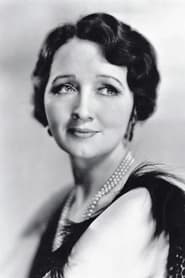
Hedda Hopper
Actor
Born: May 2, 1885 in Hollidaysburg, Pennsylvania, USA Died: February 1, 1966 Active: 1917-1966 (acting: 1917-1935, journalism: 1938-1966) Birth Name: Elda Furry
Films
12 films

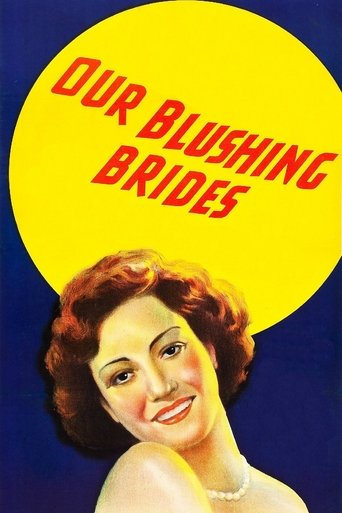
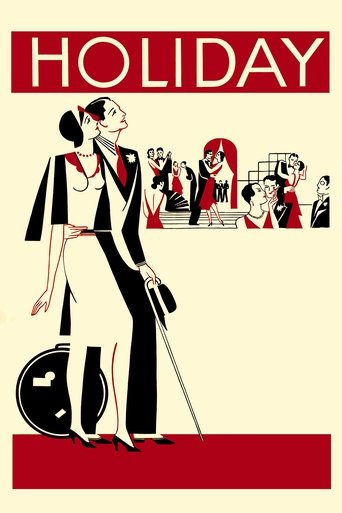


About Hedda Hopper
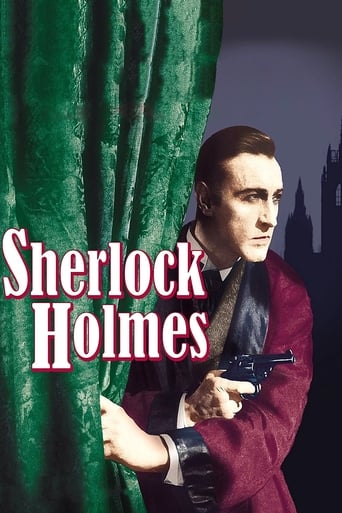
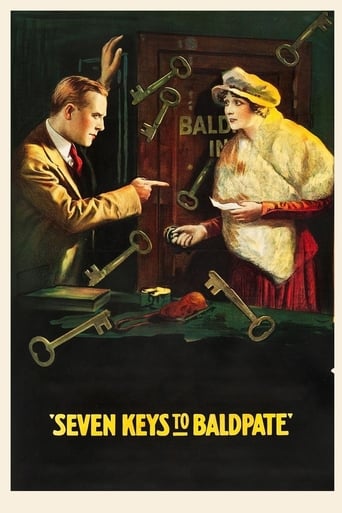
Hedda Hopper began her career as a stage actress in the early 1910s before transitioning to silent films in 1917 with her debut in 'Seven Keys to Baldpate.' Throughout the silent era and early sound period, she appeared in over 120 films, often playing sophisticated society women, vamps, or comic relief characters. Her film career peaked in the 1920s with notable appearances in 'Sherlock Holmes' (1922) opposite John Barrymore and the early sound film 'Don Juan' (1926). As her acting roles diminished in the early 1930s, Hopper reinvented herself as a gossip columnist for the Los Angeles Times in 1938, launching 'Hedda Hopper's Hollywood' which became columns in entertainment journalism. Her power in Hollywood grew exponentially, making and breaking careers through her writings and radio show 'Hedda Hopper's Hollywood.' She maintained her column until her death in 1966, becoming one of Hollywood's most feared and respected figures, known for her distinctive hats and uncompromising style of journalism.
The Craft
On Screen
Hedda Hopper's acting style was typical of the silent era, characterized by exaggerated facial expressions and dramatic gestures to convey emotion without dialogue. She specialized in playing society matrons, sophisticated vamps, and comic relief characters, often utilizing her distinctive appearance and commanding presence. Her transition to talkies was successful, adapting her theatrical background to the new medium with a sharp, articulate delivery that would later serve her well in radio and television.
Milestones
- Film debut in Seven Keys to Baldpate (1917)
- Appeared in over 120 films during silent and early sound era
- Starred in Sherlock Holmes (1922) with John Barrymore
- Appeared in Don Juan (1926), first feature-length film with synchronized score
- Began gossip column 'Hedda Hopper's Hollywood' in 1938
- Became one of Hollywood's most powerful journalists
- Hosted popular radio show 'Hedda Hopper's Hollywood'
Best Known For
Iconic Roles
Must-See Films
Accolades
Won
- Hollywood Walk of Fame Star (1960)
Special Recognition
- Hollywood Walk of Fame Star for Radio at 6313 Hollywood Boulevard
- Inducted into the International Best Dressed List Hall of Fame
Working Relationships
Worked Often With
Studios
Why They Matter
Impact on Culture
Hedda Hopper transformed Hollywood journalism from mere entertainment reporting to a powerful force that could influence casting decisions, box office performance, and public opinion. Her gossip column became required reading for studio executives and moviegoers alike, making her. She pioneered the celebrity gossip genre and demonstrated how journalism could be used as a tool of power and influence in the entertainment industry.
Lasting Legacy
Hedda Hopper's legacy is twofold: as a character actress of the silent and early sound era, and more significantly, as one of Hollywood's most powerful gossip columnists. She helped create the modern celebrity culture and demonstrated the power of media influence in Hollywood. Her rivalry with Louella Parsons defined an era of entertainment journalism, and her methods, while controversial, established patterns still seen in celebrity coverage today. She was portrayed by Judy Davis in the 1985 TV movie 'Malice in Wonderland' and by Tilda Swinton in the 2020 film 'Mank,' cementing her place in Hollywood history.
Who They Inspired
Hedda Hopper influenced generations of entertainment journalists and gossip columnists, from Rona Barrett to modern entertainment news outlets. Her ability to shape public opinion and affect careers demonstrated the power of media in celebrity culture. She also influenced how studios managed public relations, leading to the development of more sophisticated publicity departments. Her political activism through her column showed how entertainment figures could influence public discourse and political opinion.
Off Screen
Hedda Hopper was married twice and had one son, William Hopper, who became a successful actor known for his role as Paul Drake in the 'Perry Mason' television series. Her first marriage to actor DeWolf Hopper was highly publicized and ended in divorce in 1922. She later married Harry C. B. Brandt, a Chicago businessman, in 1931. Hopper was known for her lavish lifestyle, extensive hat collection (over 3,000 hats), and her Republican political views, which often influenced her column content.
Education
Attended public schools in Hollidaysburg, Pennsylvania; later studied voice and acting in New York City
Family
- DeWolf Hopper (1913-1922)
- Harry C. B. Brandt (1931-1966)
Did You Know?
- Her birth name was Elda Furry, which she changed to Hedda because it sounded more sophisticated
- She collected over 3,000 hats throughout her life, becoming as famous for her millinery as for her journalism
- Her son William Hopper played Paul Drake in the 'Perry Mason' TV series
- She was a staunch Republican and used her column to promote conservative causes
- Her rivalry with columnist Louella Parsons was legendary and lasted for decades
- She was blacklisted by some studios for her controversial reporting but remained too powerful to ignore
- She helped expose Charlie Chaplin's political views during the McCarthy era
- Her column was syndicated in 85 newspapers worldwide at its peak
- She appeared as herself in several films, including 'Sunset Boulevard' (1950)
- She was one of the first journalists to have a Hollywood star on the Walk of Fame for radio rather than film
In Their Own Words
I'm a woman who has been in love with the movies all my life.
Hollywood is a place where they'll pay you a thousand dollars for a kiss and fifty cents for your soul.
I don't write gossip. I write news that's just ahead of its time.
You can't fool all of the people all of the time, but if you fool the right ones, the rest don't matter.
I never met a man I didn't like - some I just liked better than others.
Frequently Asked Questions
Who was Hedda Hopper?
American actress who became one of Hollywood's most powerful gossip columnists. She appeared in over 120 films during the silent and early sound era before launching her influential column 'Hedda Hopper's Hollywood' in 1938, which made her.
What films is Hedda Hopper best known for?
Titles linked here include Seven Keys to Baldpate (1917), Sherlock Holmes (1922).
When was Hedda Hopper born and when did she die?
Born May 2, 1885; died February 1, 1966.
What awards did Hedda Hopper win?
Hedda Hopper received a star on the Hollywood Walk of Fame in 1960 for her contributions to radio. She was also inducted into the International Best Dressed List Hall of Fame, recognizing her famous hat collection and fashion influence.
What was Hedda Hopper's acting style?
Hedda Hopper's acting style was typical of the silent era, featuring exaggerated expressions and dramatic gestures. She specialized in playing society women, vamps, and comic relief characters, using her commanding presence and distinctive appearance to create memorable supporting roles.
How did Hedda Hopper transition from acting to journalism?
As her acting roles diminished in the early 1930s, Hopper leveraged her Hollywood connections and knowledge to become a gossip columnist. She began writing for the Los Angeles Times in 1938, and her column quickly became influential due to her insider knowledge and willingness to publish controversial stories.
What was Hedda Hopper's relationship with her son William Hopper?
Hedda Hopper's son William Hopper became a successful actor, best known for playing Paul Drake in the 'Perry Mason' television series. Despite her powerful position in Hollywood, their relationship was sometimes strained, particularly when William struggled with his own career before finding success on television.