Children of Divorce
"Trap born of divorce fear"
Keys: Space play/pause · ←/→ 10s · F fullscreen · M mute · </> speed
About this film
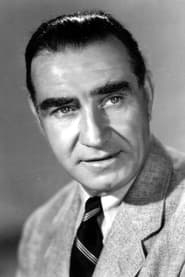
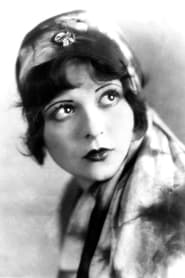
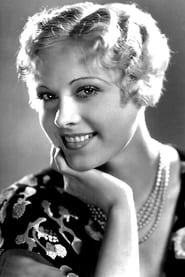
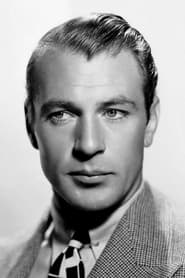
Flapper Jean tricks childhood sweetheart Ted into marriage though he loves another woman, fearing divorce like his parents in Frank Lloyd's 1927 Paramount drama starring Clara Bow and Clive Brook.
Cast & crew
More films like this
More Romance films
View all →




More from Frank Lloyd
View all →

More about this film
About the production
Release dateApril 2, 1927
Box officeUnknown - but was considered a commercial success for Paramount
ProductionFamous Players-Lasky Corporation, Paramount Pictures
Filmed inParamount Studios, Hollywood, California
The film was adapted from Owen Johnson's novel of the same name. Production took place during the transition period between silent and sound films, making it one of the last major silent dramas before 'The Jazz Singer' revolutionized the industry. The studio invested heavily in elaborate sets and costumes to reflect the Roaring Twenties lifestyle. Director Frank Lloyd was known for his ability to extract strong emotional performances from his actors, which was crucial for this melodramatic story.
Themes
Divorce and its psychological impactLove vs. manipulationSocial class and marriageThe Roaring Twenties cultureParental influence on children
Themes & topics
divorcechildhood sweetheartslove trianglemanipulationflappermarriage of conveniencesocial classbetrayalemotional turmoilRoaring Twenties
Historical background
Children of Divorce belongs to Bow's flapper cycle exploring Jazz Age marriage anxiety.
Why this film matters
The film holds cultural significance as one of the earliest mainstream Hollywood productions to directly address the psychological impact of divorce on children, a topic rarely discussed openly in 1920s cinema. It captured the essence of the Roaring Twenties lifestyle and the changing attitudes toward marriage and relationships. Clara Bow's portrayal of Jean embodied the modern, independent flapper archetype that influenced fashion and behavior patterns of young women across America. The film also helped establish Gary Cooper as a romantic leading man, launching his career. Its commercial success demonstrated that audiences were ready for more mature, socially conscious themes in mainstream entertainment.
Making of
The production faced challenges with the sensitive subject matter of divorce, which required careful handling to appease censors of the era. Clara Bow and Gary Cooper reportedly had good chemistry during filming, though Bow's reputation for being difficult on set was well-known in Hollywood. The studio invested significantly in period-accurate flapper costumes and Art Deco set designs to authentically capture the Roaring Twenties atmosphere. Director Frank Lloyd worked closely with his actors to convey the complex emotional nuances required for the dramatic scenes, as silent films relied heavily on visual storytelling and expressive performances. The film was shot during Paramount's golden era when the studio was producing some of its most prestigious pictures.
What critics said
Critics noted Bow's energy; the plot typifies 1920s melodrama about marital instability.
Did you know?
- This was one of Gary Cooper's earliest starring roles, helping establish him as a leading man in Hollywood
- Clara Bow, known as 'The It Girl,' was at the height of her popularity when was released
- The film's theme of divorce was considered controversial for its time, as divorce was still heavily stigmatized in 1920s America
- Esther Ralston was one of the highest-paid actresses of the era, earning $7,500 per week
- The original novel by Owen Johnson was considered quite scandalous when published in 1925
- Director Frank Lloyd would win the Academy Award for Best Director two years later for 'The Divine Lady'
- The film was released just months before 'The Jazz Singer' changed cinema forever with synchronized sound
- Paramount Pictures heavily promoted the film using Clara Bow's flapper image and the controversial divorce theme
- The movie's success led to Clara Bow receiving a salary increase to $15,000 per week
- Gary Cooper and Clara Bow would reunite two years later for 'Wings,' which won the first Academy Award for Best Picture
Awards & recognition
- No major awards were received for
Visual style
The cinematography, handled by James Wong Howe, utilized soft focus techniques and careful lighting to enhance the emotional tone of key scenes. Howe employed innovative camera movements and angles to emphasize the psychological states of the characters, particularly in the dramatic confrontation scenes. The visual style incorporated Art Deco influences in the set designs, reflecting the contemporary aesthetic of the Roaring Twenties. Close-ups were used strategically to capture the nuanced facial expressions essential for silent film storytelling. The lighting design created dramatic contrasts between the glamorous social scenes and the intimate emotional moments.
Innovations
The film employed advanced lighting techniques for its time, using innovative methods to create mood and atmosphere without dialogue. The production utilized some of the latest camera equipment available in 1927, allowing for more dynamic camera movements than earlier silent films. The set design incorporated some of the most elaborate Art Deco constructions seen in Hollywood up to that point. The film's editing techniques were considered sophisticated for the period, with smooth transitions between scenes and effective use of cross-cutting to build dramatic tension.
Music
As a silent film, it was accompanied by live musical scores in theaters, typically performed by theater orchestras or organists. The original musical cues suggested dramatic, romantic themes with jazz influences appropriate to the period. Paramount would have distributed detailed musical scores to theaters to ensure consistent accompaniment. The music would have ranged from upbeat jazz numbers for the party scenes to melancholic melodies for the emotional moments. No original soundtrack recordings survive, as was typical for silent films of this era.
Famous quotes
I'm not going to let you make the same mistake your parents made!" - Jean Waddington
Love can't be bought with tricks and lies." - Ted Larrabee
Sometimes the greatest cruelty is kindness disguised." - Kitty Flanders
Memorable scenes
- The dramatic wedding scene where Jean's manipulation becomes clear
- The emotionally charged confrontation between Jean and Ted after the marriage fails
- The elaborate party scenes showcasing the decadence of the Roaring Twenties
- The final scene where Jean must face the consequences of her actions
- The tender moments between Ted and Kitty that reveal their true feelings
What audiences thought
The film was well-received by audiences of its time, particularly drawing fans of Clara Bow who were eager to see her in a more dramatic role. The controversial subject matter of divorce generated significant public interest and discussion, helping to drive ticket sales. Young audiences related to the film's portrayal of modern relationships and the challenges facing their generation. The chemistry between the three leads was particularly praised by moviegoers, with many noting Gary Cooper's emerging star power. The film's success at the box office demonstrated that audiences were ready for more mature themes in their entertainment.
Film connections
Influenced by
- Owen Johnson's novel of the same name
- Contemporary German expressionist cinema for its dramatic lighting
- The social problem films of the 1920s
This film influenced
- Later films dealing with divorce and family dynamics
- The 'women's pictures' genre of the 1930s
- Gary Cooper's subsequent romantic leading roles
Film restoration
The film is preserved in the Library of Congress collection and has been restored by major film archives. While not considered lost, some reels show signs of deterioration typical of films from this era. The restored version is available through various film preservation organizations and occasionally screened at classic film festivals.
Where to watch
- Available on DVD from various classic film distributors
- Streaming on The Criterion Channel (occasionally)
- Available through Turner Classic Movies (TCM) broadcasts
- Can be accessed through film archive screenings and classic film festivals
- Some public domain versions may be available on various streaming platforms