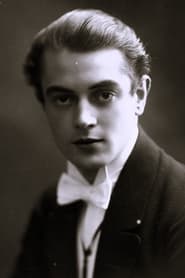
Einar Hanson
Actor
Born: June 16, 1899 in Stockholm, Sweden Died: June 3, 1927 Active: 1923-1927
Films
3 films
About Einar Hanson
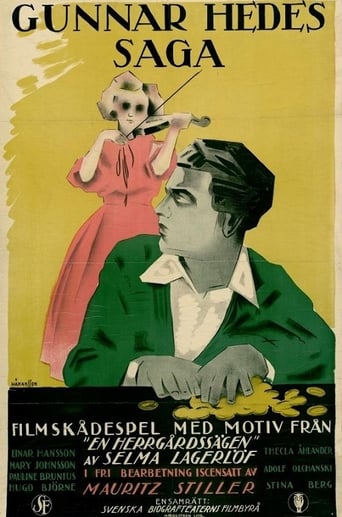
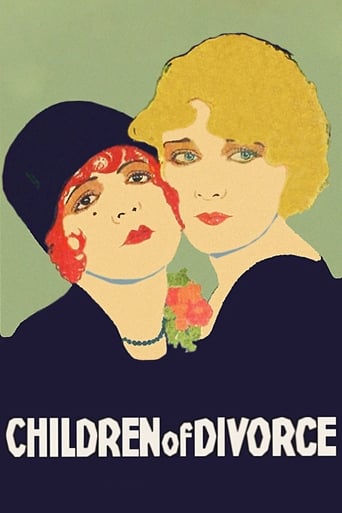
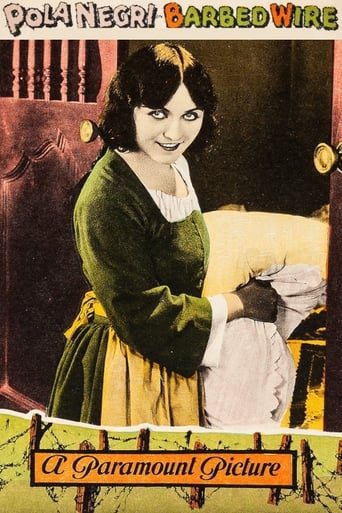
Promising Swedish actor who began his career in Swedish cinema during the early 1920s before transitioning to Hollywood during the silent film era. Born in Stockholm in 1899, Hanson developed his craft in the flourishing Swedish film industry, appearing in several notable productions that caught the attention of international scouts. His breakthrough came with his performance in Mauritz Stiller's 'Gunnar Hede's Saga' (1923), which showcased his leading man qualities and dramatic range. In 1926, Hanson was brought to Hollywood by MGM, where he quickly established himself as a romantic leading man, appearing in films like 'Children of Divorce' (1927) alongside Clara Bow and 'Barbed Wire' (1927) with Pola Negri. His Hollywood career was tragically cut short when he died in a car accident on June 3, 1927, at the age of 27, just as he was on the verge of becoming a major star in American cinema. Despite his brief career, Hanson left a lasting impression as one of the handsome, talented European imports who helped bridge Scandinavian and Hollywood cinema during the silent era.
The Craft
On Screen
Hanson was known for his naturalistic acting style that contrasted with the more theatrical approach common in silent cinema. He possessed a quiet intensity and subtle emotional range that translated well to the camera, with critics often noting his ability to convey deep emotion through minimal gestures and expressive eyes. His Scandinavian heritage brought a reserved, introspective quality to his performances, making him particularly effective in dramatic roles requiring emotional depth and vulnerability.
Milestones
- Breakthrough role in Mauritz Stiller's 'Gunnar Hede's Saga' (1923)
- Contract with MGM Studios in 1926
- Leading role in 'Children of Divorce' (1927) with Clara Bow
- Romantic lead in 'Barbed Wire' (1927) opposite Pola Negri
- Established as one of Hollywood's promising European leading men
Best Known For
Iconic Roles
Must-See Films
Accolades
Special Recognition
- Remembered as one of Hollywood's most promising tragic figures of the silent era
Working Relationships
Worked Often With
Studios
Why They Matter
Impact on Culture
Einar Hanson represents the tragic story of many silent era actors whose careers were cut short by the transition to sound or, in his case, by premature death. As part of the wave of European talent imported by Hollywood during the 1920s, Hanson helped bridge the gap between European artistic sensibilities and American commercial cinema. His performances demonstrated the effectiveness of the more subtle, naturalistic acting style that would later become standard in sound films, making him somewhat ahead of his time. His death at the height of his potential made him a symbol of lost promise in Hollywood history.
Lasting Legacy
Despite his brief four-year career, Einar Hanson is remembered in film history as. His surviving films, particularly his work with director Mauritz Stiller, are studied by film scholars as examples of the sophisticated acting techniques emerging in the 1920s. Hanson's story is often cited in discussions about Hollywood's treatment of foreign talent and the fragility of stardom during the transitional period from silent to sound films. His performances continue to be showcased in silent film festivals and retrospectives, where audiences can appreciate the talent that was lost too soon.
Who They Inspired
While his career was too brief for Hanson to directly mentor or influence other actors, his naturalistic acting style and ability to convey emotion subtly influenced the evolving techniques of silent film acting. His success in transitioning from European to American cinema paved the way for other Scandinavian actors seeking Hollywood careers. His performances, particularly in dramatic roles, demonstrated the effectiveness of understated emotion that would become more prevalent as cinema evolved toward realism.
Off Screen
Einar Hanson was married to Swedish actress Karin Swanström, who was significantly older than him and already an established star in Swedish cinema. Their marriage was considered somewhat controversial due to the age difference, but they were regarded as one of Sweden's power couples in the film industry. Hanson was known for his dedication to his craft and his ambition to succeed in Hollywood, where he had just begun to establish himself when tragedy struck. He was described by colleagues as charming, professional, and deeply committed to his art.
Education
Educated in Stockholm, Sweden; studied acting at the Royal Dramatic Theatre's acting school
Family
- Karin Swanström (1925-1927)
Did You Know?
- Died in a car accident in Santa Monica, California, just 13 days before his 28th birthday
- Was discovered by Hollywood talent scouts while working in Swedish cinema
- His death occurred just as his American career was beginning to flourish
- Spoke limited English when he arrived in Hollywood but was taking intensive language lessons
- Was under contract to MGM for only one year before his death
- His final film 'Barbed Wire' was released posthumously
- Considered one of Sweden's most handsome actors during the 1920s
- His marriage to Karin Swanström was his only known romantic relationship
- Left behind several unfinished projects at MGM
- His death was widely reported in both American and Swedish newspapers
In Their Own Words
I came to America not just for fame, but to learn and grow as an artist. The opportunities here are limitless for those willing to work hard.
Interview with Photoplay magazine, 1927
Silent acting is not about exaggeration, but about finding truth in stillness. The camera sees everything.
Acting class lecture, 1926
Frequently Asked Questions
Who was Einar Hanson?
Swedish silent film with credits in this catalog. He was known for his naturalistic acting style and handsome leading man appearances before his tragic death in a car accident at age 27.
What films is Einar Hanson best known for?
Titles linked here include Gunnar Hede's Saga (1923), Children of Divorce (1927).
When was Einar Hanson born and when did he die?
Born June 16, 1899; died June 3, 1927.
What awards did Einar Hanson win?
Einar Hanson did not receive any major awards during his brief career, as it was cut short before he could achieve the recognition his talent deserved. He is remembered posthumously as one of Hollywood's most promising tragic figures of the silent era.
What was Einar Hanson's acting style?
Hanson was known for his naturalistic and subtle acting style, which contrasted with the more theatrical approaches common in silent cinema. He conveyed deep emotion through minimal gestures and expressive eyes, bringing a reserved, introspective quality to his performances.
How did Einar Hanson die?
Einar Hanson died in a car accident in Santa Monica, California, on June 3, 1927. His death came at the height of his Hollywood career, just as he was establishing himself as a leading man in American cinema.
Was Einar Hanson married?
Yes, Hanson was married to Swedish actress Karin Swanström from 1925 until his death in 1927. Swanström was an established star in Swedish cinema and significantly older than Hanson, and their marriage was considered notable in Scandinavian film circles.