
Gunnar Hede's Saga
"Gunnar Hede's Saga (1923)"
Keys: Space play/pause · ←/→ 10s · F fullscreen · M mute · </> speed
About this film
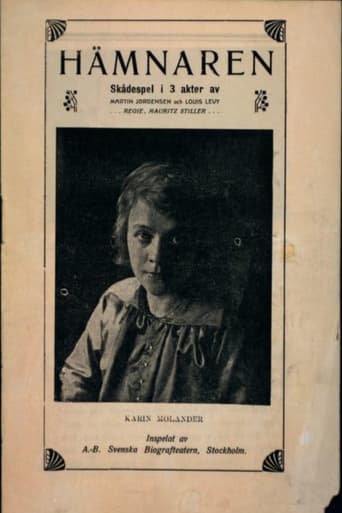
Gunnar Hede is raised by a strict mother, who wants him to become respectable to match his family’s wealth. He is more interested in his grandfather, who started as an itinerant violin player, but got rich by leading a herd of wild reindeer south to market. He falls for a violinist working with a married couple of traveling performers and renounces his fortune to go with them. He then tries to earn a fortune by driving reindeer to market, but it doesn’t work out and he goes insane. He is finally restored to sanity by the violinist when she returns with the performers.
Cast & crew
More films like this

More Drama films
View all →







More from Mauritz Stiller
View all →
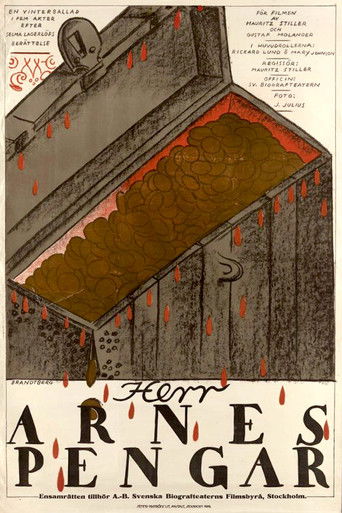
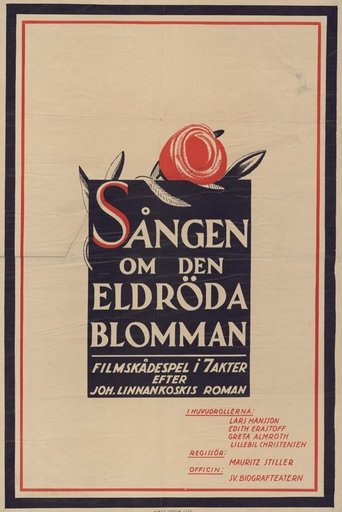
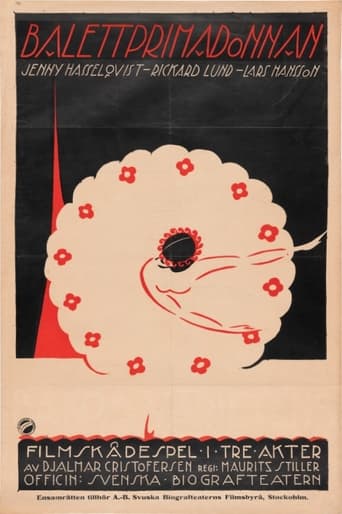
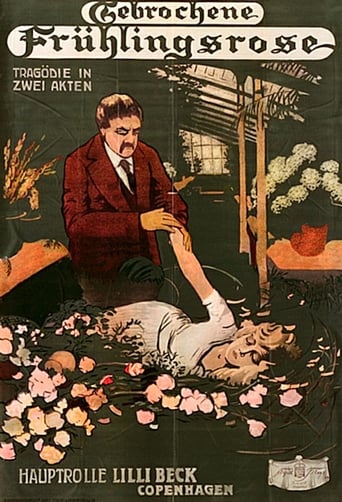
More about this film
About the production
Release dateDecember 26, 1923
BudgetHigh budget for a Swedish film of the era, though exact figures are not documented
Box officeBox office figures not documented from 1923 release
ProductionAB Svensk Filmindustri, Svenska Biografteatern
Filmed inSwedish Lapland, Stockholm studios, Northern Sweden wilderness locations
The film required extensive location shooting in the harsh Arctic conditions of Swedish Lapland, making it especially ambitious Swedish productions of its time. Over 200 reindeer were used in the filming, and the crew faced extreme weather challenges including blizzards and sub-zero temperatures. The reindeer herd sequences required months of preparation and coordination with local Sami reindeer herders.
Themes
Individual freedom vs. social expectationsThe power of music and artMadness and healingConnection to nature and heritageThe conflict between tradition and modernity
Themes & topics
reindeerviolinistmadnessLaplandtraveling performersfamily conflictlove storypsychological dramaSwedish sagaheritageredemption
Historical background
Contemporary records classify Gunnar Hede's Saga (1923) as 1923 film by mauritz stiller, placing it within late silent cinema and the transition toward sound.
Why this film matters
Gunnar Hede's Saga (1923) helps trace genre evolution, performer careers, and the material conditions of silent exhibition.
Making of
The production of 'Gunnar Hede's Saga' was an enormous undertaking for Swedish cinema in 1923. Director Mauritz Stiller was determined to authentically capture the harsh beauty of the Swedish north, insisting on location filming in Lapland during winter. The crew faced extreme conditions, with temperatures often dropping below -30°C. The reindeer sequences required months of coordination with local Sami herders, and filming had to be carefully timed to coincide with the reindeer migration patterns. Stiller employed innovative camera techniques, including early forms of montage to convey Gunnar's descent into madness. The film's score was composed by Swedish composer Oskar Merikanto and was considered integral to the emotional impact of the story. The production employed over 200 local extras and utilized authentic Sami costumes and props to ensure cultural accuracy.
What critics said
Where contemporary reviews survive, Gunnar Hede's Saga is discussed in terms of audience appeal at release; later criticism often reframes it through archive restoration and festival programming.
Did you know?
- The film is based on the 1915 novel 'Gunnar Hedes saga' by Selma Lagerlöf, who would later win the Nobel Prize in Literature
- Director Mauritz Stiller considered this one of his most personal and ambitious projects
- The reindeer herd sequences were filmed with real reindeer and required the cooperation of local Sami communities
- Einar Hanson, who played Gunnar Hede, later moved to Hollywood and appeared in several American films before his early death
- The film's depiction of madness was considered groundbreaking for its time, using innovative visual techniques to portray psychological breakdown
- Mary Johnson, who played Ingrid, was one of Sweden's biggest silent film stars and appeared in over 30 films
- The production took nearly a year to complete due to the challenging location requirements
- The film was among the costliest Swedish productions of 1923
- The violin music in the film was composed specifically for the production and became popular in its own right
- The film was released in the United States under the title 'The Blizzard' in 1924
Awards & recognition
- No major awards documented for 1923 release
Visual style
The cinematography by Julius Jaenzon is considered groundbreaking for its time, featuring spectacular location photography in the harsh Swedish Lapland landscape. Jaenzon employed innovative techniques including extreme long shots to emphasize the isolation of characters in the vast Arctic wilderness, and dynamic camera movements during the reindeer herd sequences. The film's visual style contrasts the cold, stark beauty of the north with the warmth of human relationships. The depiction of Gunnar's madness uses innovative visual techniques including distorted angles, rapid editing, and superimposition to convey psychological breakdown. The cinematography successfully captures both the epic scale of the reindeer migration and intimate character moments.
Innovations
The film pioneered several technical innovations for Swedish cinema, including extensive location shooting in extreme conditions and complex sequences involving hundreds of reindeer. The production developed new techniques for filming in snow and ice, which were challenging for the camera equipment of the era. The film's depiction of psychological breakdown through visual means was considered technically innovative, using editing and camera techniques that were ahead of their time. The coordination of the reindeer herd sequences required innovative approaches to animal handling and filming that influenced subsequent nature documentaries and adventure films.
Music
As a silent film, 'Gunnar Hede's Saga' featured a musical score composed by Oskar Merikanto, one of Finland's most prominent composers. The score was particularly notable for its use of violin themes that represented both Ingrid's character and the healing power of music. Original orchestral scores for major Swedish films were rare at the time, making this a significant production element. The music incorporated elements of traditional Sami and Swedish folk melodies to enhance the film's cultural authenticity. Contemporary screenings of the restored version often feature new musical arrangements based on Merikanto's original themes.
Famous quotes
As a silent film, dialogue quotes are not applicable, but the film's intertitles included memorable passages such as 'In the silence of the north, the heart hears its true calling' and 'Music is the bridge between madness and sanity'
Memorable scenes
- The spectacular reindeer herd migration across the frozen tundra
- Gunnar's psychological breakdown in the blizzard, filmed with innovative visual distortion techniques
- The healing scene where Ingrid's violin music gradually restores Gunnar's sanity
- The opening sequence showing the grandfather's original reindeer journey
- The final reconciliation scene between Gunnar and his mother
What audiences thought
The film was a commercial success in Sweden upon its release in 1923, drawing large audiences particularly interested in the spectacular reindeer sequences and the dramatic Lapland setting. The story resonated with Swedish audiences due to its exploration of national identity and cultural heritage. When released internationally in 1924 under various titles including 'The Blizzard,' it found moderate success, particularly in art house cinemas. Modern audiences who have seen the film at revival screenings or in restored versions have praised its emotional power and visual beauty, though its length and pacing can be challenging for contemporary viewers accustomed to faster-paced films.
Film connections
Influenced by
- Selma Lagerlöf's novel 'Gunnar Hedes saga' (1915)
- Swedish literary tradition of epic sagas
- German Expressionist cinema's psychological themes
- Victor Sjöström's 'The Outlaw' (1918) for its Swedish landscape photography
This film influenced
- Later Swedish films exploring psychological themes
- Films featuring music as healing
- Nordic cinema's tradition of landscape as character
- Adventure films featuring extreme weather conditions
Film restoration
The film survives in its entirety and has been preserved by the Swedish Film Institute. A restored version was completed in the 1990s, featuring improved image quality and a re-recorded musical score based on the original themes. The preservation effort included extensive digital restoration of the damaged Lapland sequences, which had suffered from the harsh original filming conditions.
Where to watch
- Available on streaming platforms specializing in classic cinema
- Screenings at film archives and museums including the Swedish Film Institute
- Available on DVD/Blu-ray from specialty distributors of classic films
- Occasionally broadcast on classic film television channels
- Available for academic viewing through university film departments