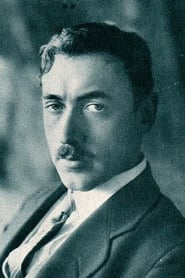
Mauritz Stiller
Actor & Director
Born: July 17, 1883 in Helsinki, Finland (then Russian Empire) Died: November 18, 1928 Active: 1912-1928 Birth Name: Moshe Stiller
Films
13 films
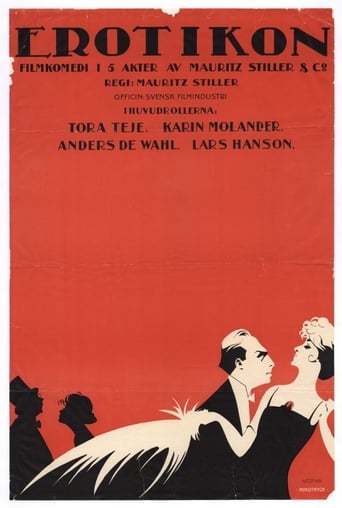
Erotikon
1920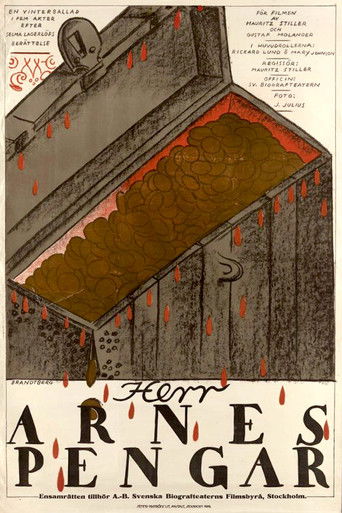
Sir Arne's Treasure
1919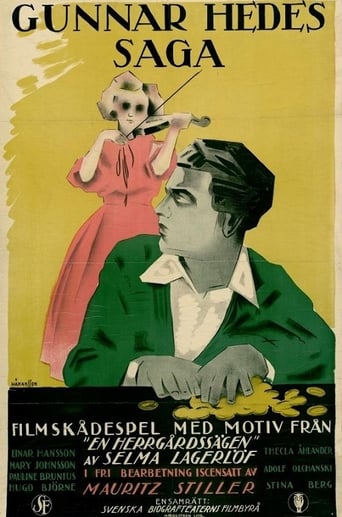
Gunnar Hede's Saga
1923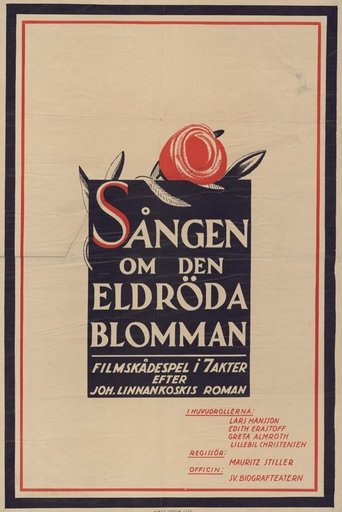
Song of the Scarlet Flower
1919No Poster
Thomas Graal's Best Child
1918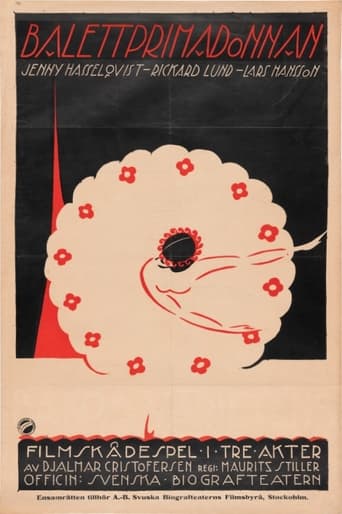
The Ballet’s Prima-donna
1916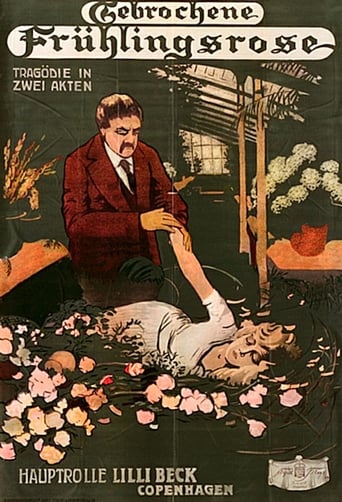
The Gardener
1912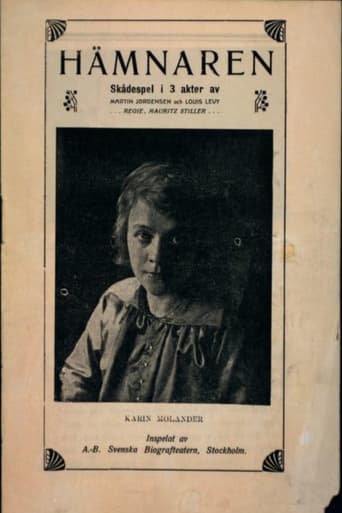
The Avenger
1915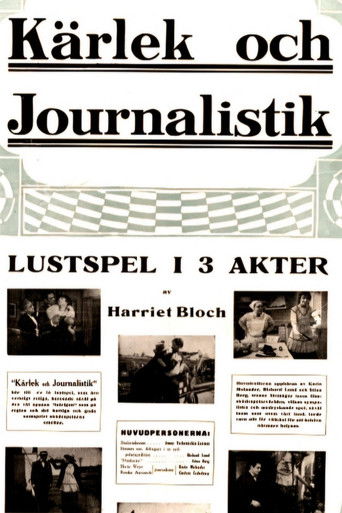
Love and Journalism
1916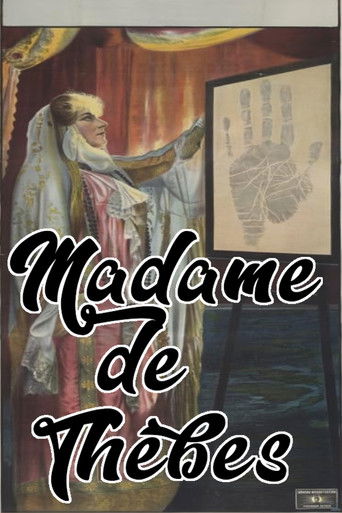
Madame de Thèbes
1915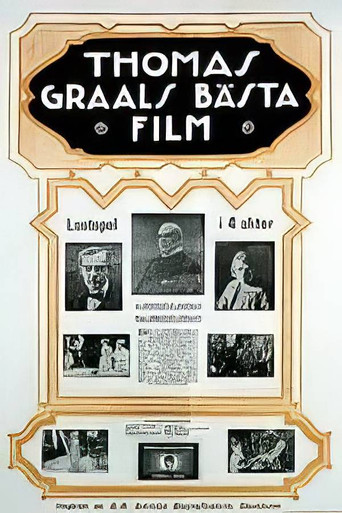
Thomas Graal's Best Film
1917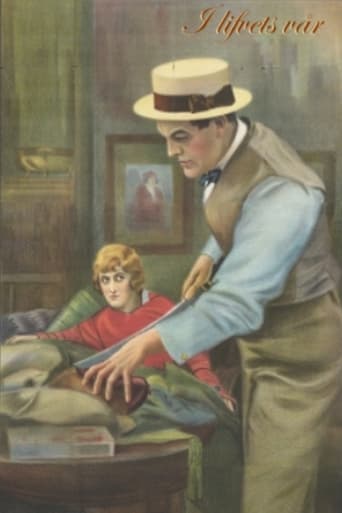
The Springtime of Life
1912About Mauritz Stiller
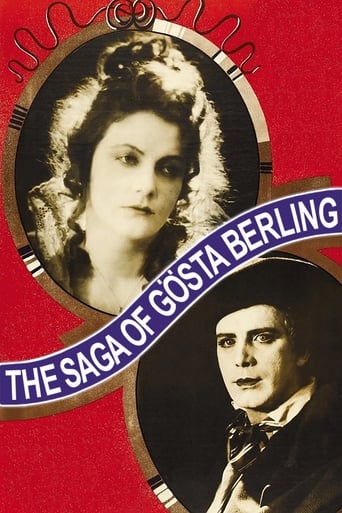
Mauritz Stiller, born Moshe Stiller in Helsinki, Finland, was a Swedish film director who became figures in silent cinema. After emigrating to Sweden as a child, he began his career in theater before transitioning to film in 1912, quickly establishing himself as a master visual storyteller during the Swedish Golden Age of cinema. Stiller's films from 1918-1924, including 'Sir Arne's Treasure' and 'Gösta Berling's Saga,' showcased his sophisticated visual style and psychological depth, earning international acclaim. His most significant contribution to cinema was discovering and mentoring Greta Garbo, casting her in 'Gösta Berling's Saga' (1924) and bringing her to Hollywood in 1925. Despite his brief and difficult Hollywood period marked by creative conflicts with MGM executives, Stiller's innovations in camera work, atmospheric storytelling, and character development influenced generations of filmmakers. He returned to Sweden in 1927 and continued directing until his death from pleurisy complications in 1928, just as the sound era was beginning, leaving behind a legacy as one of cinema's early auteurs.
The Craft
Behind the Camera
Mauritz Stiller's directing style was characterized by sophisticated visual composition, psychological depth, and innovative use of natural lighting and Swedish landscapes. He pioneered techniques that blended realism with romanticism, creating atmospheric narratives that emphasized visual storytelling over dialogue. Stiller was known for his meticulous attention to detail, demanding perfection from actors, and ability to extract subtle, nuanced performances. His camera work was revolutionary for the time, employing dynamic movement and composition that influenced later directors. Stiller's films often explored complex psychological themes and relationships, pushing the boundaries of what was acceptable in silent cinema while maintaining artistic integrity and emotional depth.
Milestones
- Directed first film 'The Tyrannical Fiancé' in 1912
- Created masterpiece 'Sir Arne's Treasure' (1919) establishing Swedish cinema internationally
- Directed comedy 'Thomas Graal's Best Child' (1918)
- Made sophisticated drama 'Erotikon' (1920) pushing boundaries of sexual content
- Discovered and launched Greta Garbo's career in 'Gösta Berling's Saga' (1924)
- Moved to Hollywood with MGM in 1925, bringing Garbo to America
- Returned to Sweden in 1927 after Hollywood difficulties
Best Known For
Must-See Films
Accolades
Special Recognition
- Posthumously recognized as a pioneer of Swedish cinema
- Films preserved in the Swedish Film Archive
- Featured in retrospectives at major film festivals worldwide
- Honored in the Swedish Golden Age of Cinema exhibitions
Working Relationships
Worked Often With
Studios
Why They Matter
Impact on Culture
Mauritz Stiller's impact on cinema was profound and far-reaching, particularly in establishing Sweden as a major force in international film during the silent era. His visual storytelling techniques and psychological approach to filmmaking influenced the development of cinematic language worldwide. Stiller's discovery and mentorship of Greta Garbo created one of cinema's most enduring icons, fundamentally shaping Hollywood's star system. His films pushed boundaries regarding sexual content and psychological complexity, helping to expand what was considered acceptable in mainstream cinema. The atmospheric qualities and visual sophistication of his work influenced generations of directors, particularly in the use of landscape and natural lighting to enhance narrative. Stiller's career also highlighted the challenges faced by European directors in Hollywood's studio system, presaging similar struggles for many who followed.
Lasting Legacy
Mauritz Stiller's legacy endures through his contributions to silent cinema and his role in creating one of Hollywood's greatest stars. His films are studied today for their innovative techniques and artistic merit, particularly 'Sir Arne's Treasure' and 'Gösta Berling's Saga.' Stiller is remembered as a key figure in the Swedish Golden Age of cinema, alongside Victor Sjöström, establishing a national cinematic identity that influenced later Swedish directors like Ingmar Bergman. His discovery of Greta Garbo remains one of cinema's most casting stories, and his role in shaping her screen persona contributed significantly to her mystique and success. Though his Hollywood career was disappointing, Stiller's Swedish body of work continues to be celebrated in film retrospectives and academic studies of early cinema. His influence on visual storytelling and psychological drama can be traced through decades of filmmaking, making him a true pioneer of cinematic art.
Who They Inspired
Stiller's influence on cinema extends through multiple channels: his visual techniques influenced directors like Carl Theodor Dreyer and later Ingmar Bergman; his discovery and development of Greta Garbo created a template for star-making that Hollywood studios would emulate for decades; his sophisticated approach to psychological storytelling paved the way for more complex character studies in film; and his use of natural landscapes as narrative elements influenced outdoor cinematography. Directors as diverse as Alfred Hitchcock and Douglas Sirk studied his work, and his emphasis on visual over verbal storytelling remains relevant in contemporary cinema. His films continue to be referenced and homaged by modern directors who recognize his contributions to cinematic language.
Off Screen
Mauritz Stiller was known for his flamboyant personality and was one of the first openly gay directors in cinema history, though this was controversial for his time. He never married and maintained close relationships with several male actors throughout his career. Despite his personal life being somewhat unconventional for the era, he was highly respected for his artistic vision and professionalism. Stiller was known for his perfectionism and demanding nature on set, which sometimes led to conflicts with actors and producers. His life was marked by periods of great artistic success followed by personal struggles, particularly during his time in Hollywood where he felt creatively constrained.
Education
Limited formal education, largely self-taught in filmmaking. Began career in theater as an actor and director before transitioning to cinema.
Did You Know?
- Born Moshe Stiller, he changed his first name to Mauritz when he moved to Sweden
- Discovered Greta Garbo while she was working as a salesclerk at PUB department store in Stockholm
- Was one of the first openly gay directors in cinema history, though this was rarely discussed publicly
- His original cut of 'Gösta Berling's Saga' was over 3 hours long before being edited down
- Had a notoriously difficult relationship with MGM head Louis B. Mayer, who called him 'that foreigner'
- His films were often censored or banned in conservative countries for their sexual content and psychological themes
- Died just as sound films were emerging, never having the opportunity to make a talkie
- His influence on Ingmar Bergman was so significant that Bergman called him 'the father of Swedish cinema'
- Was known for his perfectionism, often requiring dozens of takes for a single scene
- His Hollywood films were considered artistic and commercial failures compared to his Swedish masterpieces
- Spoke multiple languages fluently, including Swedish, Finnish, German, and English
- His personal papers and archives are preserved at the Swedish Film Institute
In Their Own Words
The camera is the eye of the director, but the soul of the film comes from the heart.
On discovering Garbo: I saw something in her eyes that the camera would love - a mystery that audiences would want to solve.
Silence in film is not emptiness, but an opportunity for visual poetry.
A good film should be like a dream - beautiful, mysterious, and slightly unsettling.
The Swedish landscape is not just a backdrop; it is a character in our stories.
Frequently Asked Questions
Who was Mauritz Stiller?
Swedish on YTB.my. He was a key figure in the Swedish Golden Age of cinema and later worked briefly in Hollywood before returning to Sweden.
What films is Mauritz Stiller best known for?
Titles linked here include Sir Arne's Treasure (1919), Gösta Berling's Saga (1924).
When was Mauritz Stiller born and when did he die?
Born July 17, 1883; died November 18, 1928.
How did Mauritz Stiller discover Greta Garbo?
Stiller discovered Greta Garbo in 1923 while she was working as a salesclerk at a department store in Stockholm. He cast her in 'Gösta Berling's Saga' (1924) and later brought her to Hollywood with him in 1925, helping create her screen persona.
What was Mauritz Stiller's directing style?
Stiller's directing style was characterized by sophisticated visual composition, psychological depth, innovative use of natural lighting, and atmospheric storytelling. He blended realism with romanticism and was known for his meticulous attention to detail and ability to extract nuanced performances from actors.
Why did Mauritz Stiller leave Hollywood?
Stiller left Hollywood in 1927 due to creative conflicts with MGM executives, particularly Louis B. Mayer, who restricted his artistic freedom. He was frustrated with the studio system's constraints and returned to Sweden where he felt he could maintain more creative control over his work.
What was Mauritz Stiller's legacy in cinema?
Stiller's legacy includes the Swedish Golden Age of cinema, discovering Greta Garbo, innovating visual storytelling techniques in silent films, and influencing generations of directors including Ingmar Bergman. His films continue to be studied for their artistic merit and technical innovation.