
Erotikon
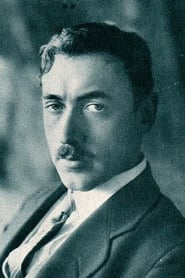
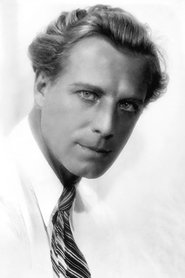
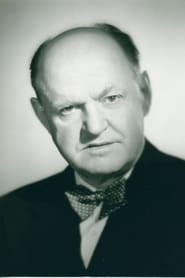
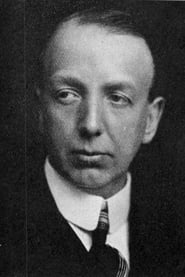
"Anders de Wahl and Lars Hanson"
Keys: Space play/pause · ←/→ 10s · F fullscreen · M mute · </> speed
About this film
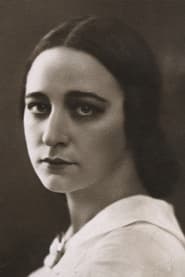
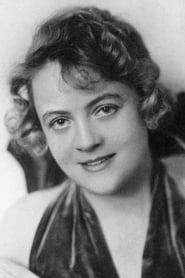
Swedish romantic comedy film directed by Mauritz Stiller, starring Tora Teje, Karin Molander, Anders de Wahl and Lars Hanson. It is based on the 1917 play A kék róka by Ferenc Herczeg. The story revolves around an entomology professor obsessed with the sexual life of bugs, and his easygoing wife who is courted by two suitors.
Cast & crew
More films like this
More Romance films
View all →




More from Mauritz Stiller
View all →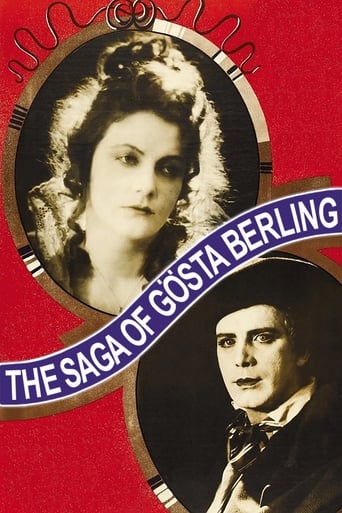
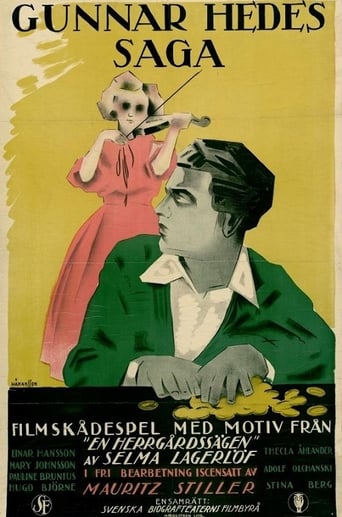
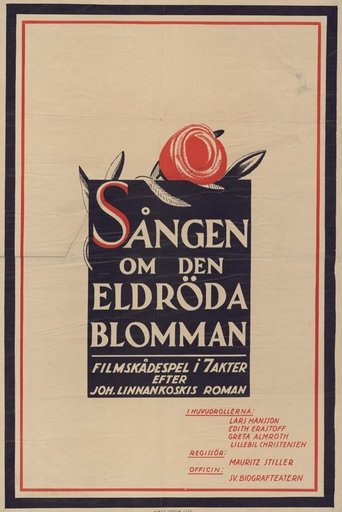
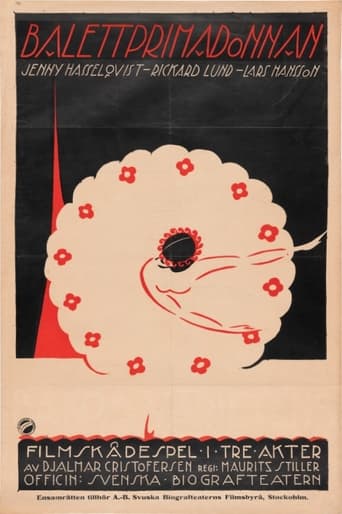
More about this film
About the production
Release dateNovember 1, 1920 (Sweden)
Box officeUnknown
ProductionSvenska Biografteatern
Filmed inStockholm, Sweden, Filmstaden Studios, Solna, Sweden
Erotikon was one of the first films shot at the newly constructed Filmstaden Studios, which would become Sweden's premier film production facility. The film featured elaborate sets designed by Vilhelm Bryde, including detailed recreations of upper-class Swedish interiors. Director Mauritz Stiller employed innovative camera techniques for the time, including mobile camera shots and sophisticated lighting schemes to enhance the romantic atmosphere. The production was notable for its relatively large budget and international ambitions, as Svenska Biografteatern was seeking to compete with American and German films in the international market.
Themes
Marital discord and reconciliationScientific rationality vs. emotional passionFemale desire and autonomyThe mating rituals of humans and insectsThe conflict between duty and desire
Themes & topics
entomologymarriageinfidelityromantic triangleprofessorscientific obsessionupper class societymarriage counselingromantic comedysilent filmSwedish cinema1920spsychological drama
Historical background
Contemporary records classify Erotikon (1920) as 1920 film, placing it within late silent cinema and the transition toward sound.
Why this film matters
Erotikon (1920) helps trace genre evolution, performer careers, and the material conditions of silent exhibition.
Making of
The production of Erotikon represented a significant milestone in Swedish cinema's evolution. Mauritz Stiller, already an established director, approached the project with artistic ambitions that elevated it beyond typical romantic comedies of the era. The casting was particularly noteworthy - Tora Teje was a celebrated stage actress making a rare foray into film, while Lars Hanson was emerging as one of Sweden's most talented leading men. The film's sophisticated treatment of adult themes required delicate handling from both actors and director. Stiller worked closely with cinematographer Julius Jaenzon to create a visual style that was both elegant and psychologically revealing. The production design by Vilhelm Bryde recreated upper-class Stockholm society with meticulous attention to detail, from the professor's study filled with scientific equipment to the elegant drawing rooms where the romantic drama unfolds. The film's success was due in large part to the chemistry between the leads and Stiller's ability to balance comedy with genuine emotional depth.
What critics said
Retrospective notes on Erotikon emphasize its value as a transitional sound-era artifact rather than blockbuster reception.
Did you know?
- The film was based on the Hungarian play 'A kék róka' (The Blue Fox) by Ferenc Herczeg, which was adapted for the Swedish screen by Stiller and Arthur Norden.
- Erotikon was one of the first Swedish films to gain significant international recognition, particularly in France where it was praised for its sophisticated approach to adult themes.
- The film's title 'Erotikon' comes from the Greek word 'eroticos' and was considered quite daring for its time, though the content is relatively tame by modern standards.
- Director Mauritz Stiller would later mentor Greta Garbo and bring her to Hollywood, though she does not appear in this film.
- The insect specimens shown in the film were real and provided by the Swedish Museum of Natural History, adding authenticity to Professor Charpentier's scientific work.
- Erotikon was part of a golden age of Swedish cinema in the early 1920s, when Swedish films were known for their artistic quality and psychological depth.
- The film was banned or heavily censored in several countries due to its adult themes and suggestions of marital infidelity.
- Tora Teje, who played Irene, was one of Sweden's most prominent stage actresses and this was one of her rare film appearances.
- The film's success helped establish Lars Hanson as an international star, leading to his later work in Hollywood.
- The original negative of the film was partially damaged in a fire at the Swedish Film Archive in the 1940s, but has since been restored.
Awards & recognition
- No major awards were recorded for this film, as many film awards had not yet been established in 1920
Visual style
The cinematography by Julius Jaenzon was groundbreaking for its time, employing sophisticated lighting techniques and camera movements that enhanced the film's psychological depth. Jaenzon used soft focus and backlighting to create romantic atmospheres, particularly in scenes involving Irene and her suitors. The film features several tracking shots and camera movements that were innovative for 1920, creating a more dynamic visual experience than typical static shots of the era. The lighting design carefully differentiated between the scientific world of the professor's study (harsh, direct lighting) and the romantic world of the drawing rooms (soft, diffused lighting). The composition of shots was meticulously planned, with Jaenzon often using architectural elements to frame characters and reinforce their emotional states. The film's visual style influenced European cinema's move toward more artistic and expressive cinematography.
Innovations
Erotikon featured several technical innovations that were advanced for its time. The film made extensive use of mobile camera shots, including tracking shots that followed characters through rooms, creating a more immersive experience than static shots. The lighting techniques employed by cinematographer Julius Jaenzon were particularly sophisticated, using multiple light sources to create depth and mood rather than the flat lighting common in earlier films. The film's editing was also notable for its rhythm and pacing, with Stiller using cross-cutting and parallel editing to build tension and develop character relationships. The production design by Vilhelm Bryde included elaborate and detailed sets that were unusually realistic for the period. The film's special effects, particularly the close-up shots of insects, required innovative macro photography techniques that were quite advanced for 1920.
Music
As a silent film, Erotikon would have been accompanied by live musical performances during its original theatrical run. The typical score would have been provided by a theater orchestra or pianist, often using compiled classical pieces or specially composed music. The score likely included romantic classical pieces by composers like Chopin and Tchaikovsky during romantic scenes, and lighter, more playful music for comedic moments. Some theaters may have used cue sheets provided by the distributor to guide musical selections. Modern restorations of the film have been accompanied by newly composed scores by contemporary silent film composers, who create original music that reflects the film's sophisticated tone and emotional complexity. The absence of recorded dialogue makes the visual storytelling and musical accompaniment particularly important to the film's impact.
Famous quotes
In the world of insects, love is a simple matter of instinct. In the world of humans, it is infinitely more complicated." - Professor Charpentier
A marriage is like a butterfly - beautiful to observe, but fragile if not handled with care." - Professor Charpentier
Science can explain the mating habits of insects, but it cannot explain the mysteries of the human heart." - Irene
Memorable scenes
- The opening sequence where Professor Charpentier delivers a lecture on insect mating habits, using scientific terminology to ironically foreshadow the human romantic complications to follow. The scene features detailed close-ups of butterfly specimens and establishes the film's central metaphor.
- The elegant ballroom scene where Irene dances with both her suitors, with the camera moving fluidly through the crowd to capture the romantic tension and social dynamics of upper-class Stockholm society.
- The climactic confrontation scene in the professor's study, where scientific specimens and personal emotions collide, leading to the couple's emotional breakthrough and reconciliation.
What audiences thought
Erotikon was a commercial success upon its release in Sweden, attracting audiences drawn by its sophisticated themes and star power. The film's blend of comedy, romance, and social commentary appealed to the growing middle-class cinema audience in post-war Sweden. Internationally, the film found particular success in France, where audiences appreciated its elegant style and adult approach to relationships. The film's reputation for dealing with 'risqué' subject matter actually increased its appeal in some markets, though it led to censorship in others. Contemporary audiences at revival screenings continue to respond positively to the film's humor, visual beauty, and surprisingly modern approach to relationships. The film's enduring appeal lies in its timeless exploration of marital dynamics and its ability to balance entertainment with artistic merit.
Film connections
Influenced by
- The Blue Fox (play) by Ferenc Herczeg
- Contemporary German romantic comedies
- Swedish literary traditions of psychological realism
- The sophisticated drawing-room comedies of the 19th century
This film influenced
- Later romantic comedies that balance humor with emotional depth
- Swedish films of the 1920s that explored adult themes
- European art cinema that prioritized psychological complexity
- Films that use scientific metaphors to explore human relationships
Film restoration
Erotikon has been preserved and restored by the Swedish Film Archive. While the original negative suffered some damage in a 1940s fire, complete copies survived and have been used for restoration. The film is available in restored versions that closely approximate its original visual quality. The Swedish Film Institute maintains high-quality preservation copies and the film has been included in several DVD and Blu-ray releases of classic Swedish cinema. The restoration work has ensured that this important film remains accessible to modern audiences.
Where to watch
- The Criterion Collection (streaming and Blu-ray)
- Swedish Film Institute's streaming platform
- Mubi (occasionally featured in silent film collections)
- Kino Lorber (DVD/Blu-ray releases)
- Various film festival screenings and museum exhibitions
- Some public domain streaming platforms (though quality may vary)