Torsten Hammarén
Actor
Born: January 21, 1884 in Stockholm, Sweden Died: January 24, 1962 Active: 1905-1960 (primarily film: 1920-1924)
Films
2 films
About Torsten Hammarén
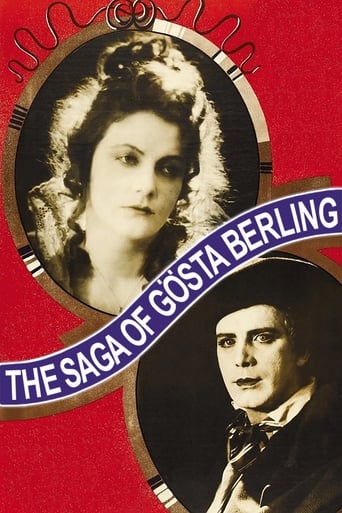
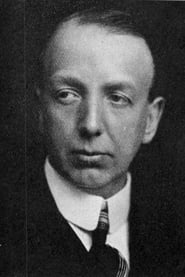
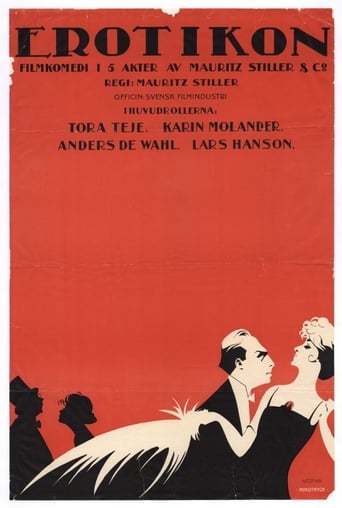
Made significant contributions to Swedish cinema during the silent era. Born into a theatrical family, he began his career on the Stockholm stages before transitioning to film in the early 1920s. His most notable film work came during this period, particularly in Mauritz Stiller's acclaimed productions. Hammarén's performance in 'The Saga of Gösta Berling' (1924) alongside a young Greta Garbo showcased his ability to portray complex characters in the emerging medium of cinema. He also appeared in 'Erotikon' (1920), another significant Swedish silent film that explored themes of love and relationships with unprecedented frankness for its time. While his film career was relatively brief, spanning roughly 1920-1924, his impact on Swedish cinema was substantial. After his film work, Hammarén returned primarily to his successful stage career, where he continued to perform for many years. His legacy lives on through his contributions to the golden age of Swedish silent cinema, working alongside some of the era's most influential filmmakers.
The Craft
On Screen
Classically trained theatrical style with strong dramatic presence, transitioning from stage melodrama to more naturalistic film acting. His performances were characterized by commanding presence, expressive facial features suited to silent cinema, and the ability to convey complex emotions through subtle gestures. Hammarén brought gravitas and sophistication to his roles, often playing authority figures or characters of social standing.
Milestones
- Stage debut at Stockholm's Royal Dramatic Theatre
- Breakthrough role in Mauritz Stiller's Erotikon (1920)
- Memorable performance in The Saga of Gösta Berling (1924)
- Long-standing career at the Royal Dramatic Theatre
- Mentorship of younger actors in Swedish theatre
Best Known For
Iconic Roles
Must-See Films
Accolades
Won
- Royal Medal Litteris et Artibus (1938)
Special Recognition
- Member of the Royal Dramatic Theatre ensemble
- Recognized contributor to Swedish cultural heritage
Working Relationships
Worked Often With
Studios
Why They Matter
Impact on Culture
Torsten Hammarén played a significant role in the golden age of Swedish silent cinema, working during a period when Swedish films were gaining international recognition. His collaborations with Mauritz Stiller contributed to the distinctive style and sophistication that characterized Swedish cinema of the 1920s. As part of the ensemble that launched Greta Garbo's career, Hammarén was indirectly involved in one of cinema history's most important success stories. His work helped establish Sweden as a major force in international filmmaking during the silent era, influencing cinematic techniques and storytelling approaches worldwide.
Lasting Legacy
Hammarén's legacy is preserved through his contributions to two of the most important Swedish silent films ever made. 'The Saga of Gösta Berling' remains a classic of world cinema, regularly studied by film scholars and enthusiasts. His performances exemplify the transition from theatrical acting to the more nuanced style required by film. While his film career was brief, his stage active years covered over five decades, making him one of Sweden's most enduring theatrical figures. Today, he is remembered as an important link between Swedish theatre and cinema during a crucial period of artistic development.
Who They Inspired
Hammarén influenced subsequent generations of Swedish actors through his work at the Royal Dramatic Theatre, where he helped maintain high standards of classical acting. His film work demonstrated how trained stage actors could successfully adapt to the demands of cinema, providing a model for other theatre actors making the transition to film. His collaborations with international filmmakers helped establish cross-cultural artistic exchanges that would benefit Swedish cinema for decades to come.
Off Screen
Torsten Hammarén came from a family deeply rooted in Swedish theatre and culture. He was married twice during his lifetime, first to actress Mimi Pollak and later to Karin Alexandersson. His personal life was closely intertwined with his professional career, as both of his wives were also involved in the performing arts. Hammarén was known as a respected figure in Stockholm's cultural circles and maintained a relatively private personal life despite his public prominence. He continued acting well into his later years, demonstrating remarkable longevity in his chosen profession.
Education
Royal Dramatic Theatre's acting school (Dramatens elevskola)
Family
- Mimi Pollak (1924-1935)
- Karin Alexandersson (1936-1962)
Did You Know?
- Was part of the cast that launched Greta Garbo's film career
- His first marriage to Mimi Pollak ended when she left him for another woman
- Appeared in only a handful of films but made significant impact
- Was a member of Sweden's most prestigious theatrical company for over 40 years
- Received the Royal Medal Litteris et Artibus for his cultural contributions
- Worked with director Mauritz Stiller before Stiller moved to Hollywood
- His film career coincided with the peak of Swedish silent cinema's international success
- Continued acting on stage well into his 70s
- Was part of the generation that bridged 19th and 20th century Swedish theatre
- His performances in silent films are studied for their technical excellence
In Their Own Words
The stage is our temple, and the audience our congregation
In silence, the actor must speak volumes through the eyes alone
Swedish cinema has given the world stories that transcend language
To act is to live a thousand lives in one lifetime
Frequently Asked Questions
Who was Torsten Hammarén?
Swedish with credits in this catalog. He appeared in two of the most important Swedish films of the era, working alongside legendary director Mauritz Stiller and a young Greta Garbo.
What films is Torsten Hammarén best known for?
Titles linked here include The Saga of Gösta Berling (1924), Erotikon (1920).
When was Torsten Hammarén born and when did he die?
Born January 21, 1884; died January 24, 1962.
What awards did Torsten Hammarén win?
Hammarén received the Royal Medal Litteris et Artibus in 1938, a prestigious Swedish award recognizing contributions to arts and literature. He was also honored through his long-standing membership in the Royal Dramatic Theatre.
What was Torsten Hammarén's acting style?
Hammarén employed a classically trained theatrical style that successfully transitioned to film. His performances were characterized by dramatic presence, expressive features suited to silent cinema, and the ability to convey complex emotions through subtle gestures and facial expressions.