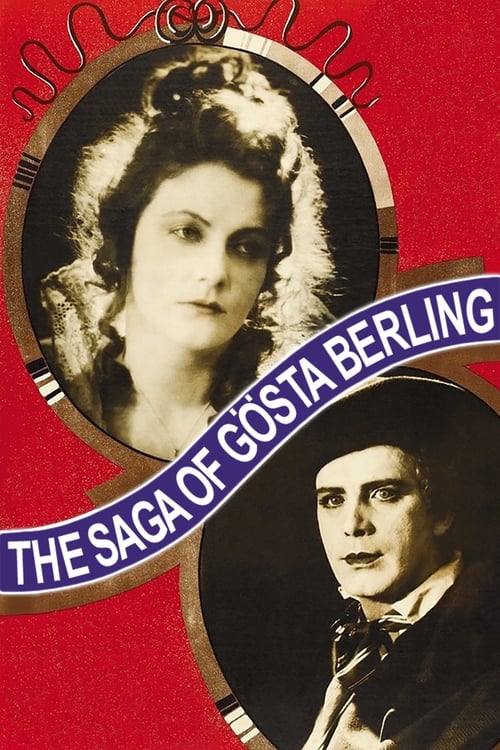
The Saga of Gösta Berling
"A Tale of Love, Redemption, and the Eternal Struggle Between Passion and Duty"
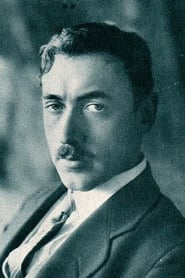
Directed by Mauritz Stiller
Keys: Space play/pause · ←/→ 10s · F fullscreen · M mute · </> speed
Plot
Gösta Berling, once a promising young minister, falls from grace due to his alcoholism and controversial sermons that challenge the rigid social norms of his community. After being defrocked, he becomes a tutor at Ekeby Manor, where he falls deeply in love with the beautiful Countess Elizabeth Dohna, who is married to the much older Count Henrik. The story unfolds through a series of romantic entanglements and moral dilemmas as Gösta joins the 'Cavaliers of Ekeby,' a group of twelve dispossessed gentlemen who live by their wits. When the cruel Sintram, a rejected suitor of Elizabeth, seeks revenge by burning down Ekeby, Gösta must confront his past and prove his worth. The film culminates in a dramatic winter chase across frozen lakes and forests, where Gösta must save Elizabeth from Sintram's wrath and ultimately redeem himself through selfless love and sacrifice.
About the Production
Release Date March 9, 1924 (Sweden)
Budget Approximately 400,000 Swedish kronor (a substantial budget for Swedish cinema at the time)
Box Office Successful in Sweden and Europe, though exact figures are not documented; it performed well enough to attract international attention
Production Svenska Biografteatern, AB Svensk Filmindustri
Filmed In Stockholm, Sweden, Rättvik, Dalarna, Sweden, Siljan Lake region, Sweden, Various locations in Dalarna County during winter
The film was shot over an extensive period from 1923-1924, with challenging winter conditions that required cast and crew to endure extreme cold. The production utilized real Swedish winter landscapes, creating authentic and breathtaking cinematography. Originally conceived as a two-part epic spanning over 180 minutes, the film was heavily edited for international release, with different versions circulating worldwide. The production involved hundreds of extras and elaborate period costumes, making it one of the most expensive Swedish productions of its era.











Themes & Topics
defrocked ministeralcoholismforbidden lovecountesswinter landscaperedemptionSwedish nobilitytutorrevengemoral crisisaristocracyfolk taleromancedramasilent era
Historical Background
The film was produced during a golden age of Swedish cinema (1917-1924), when Swedish films were gaining international recognition for their artistic merit and technical sophistication. This period coincided with Sweden's transition from an agrarian society to an industrialized nation, and the film reflects tensions between traditional values and modernity. The early 1920s saw the rise of national romanticism in Swedish arts, with filmmakers drawing inspiration from Swedish literature and folklore. The film's themes of redemption and social critique resonated with post-World War I European audiences grappling with moral and social reconstruction. The international success of Swedish cinema during this period challenged the dominance of American and German films in the global market.
Why This Film Matters
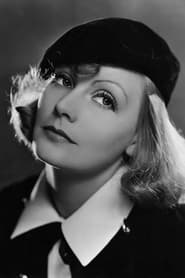
'The Saga of Gösta Berling' represents a pinnacle of Swedish silent cinema and played a crucial role in establishing Sweden as a major film-producing nation. The film's international success demonstrated that European cinema could compete with Hollywood productions, and its artistic achievements influenced filmmakers worldwide. Most significantly, it launched Greta Garbo's legendary career, making her one of cinema's first truly international stars. The film's adaptation of Nobel Prize-winning literature also elevated the cultural status of cinema as an art form capable of serious literary interpretation. Its visual style, particularly the use of natural landscapes and winter imagery, influenced the development of cinematic language and established conventions for depicting Nordic settings in film.
Making Of
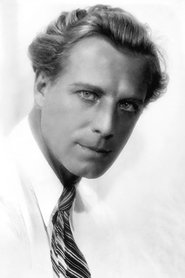
The production of 'The Saga of Gösta Berling' was an epic undertaking that pushed the boundaries of Swedish cinema. Mauritz Stiller, already an established director, saw potential in the young Greta Garbo and fought to cast her as Elizabeth Dohna despite studio resistance. The filming process was grueling, with the cast and crew spending months in the harsh Swedish winter of Dalarna. Many scenes had to be shot quickly between weather changes, and the extreme cold caused frequent equipment failures. The chemistry between Garbo and Lars Hanson was genuine, though their professional relationship became complicated after the film's success. Stiller's meticulous attention to detail extended to every aspect of production, from authentic period costumes to carefully composed shots that utilized Sweden's natural beauty. The film's post-production was equally complex, with multiple versions being edited for different international markets, leading to significant variations in runtime and narrative focus.
What Critics Said
Contemporary critics praised the film's visual beauty and ambitious scope, with particular acclaim for its stunning winter photography and authentic period detail. The performances of Garbo and Hanson were widely celebrated, with critics noting their natural chemistry and screen presence. The film was hailed as a masterpiece of Swedish cinema and received enthusiastic reviews across Europe and the United States. Modern critics continue to regard it as a landmark of silent cinema, praising its sophisticated narrative structure and visual poetry. The film is frequently cited as an example of cinema's artistic potential during the silent era, with its influence evident in later works by directors such as Ingmar Bergman and Victor Sjöström.
Did You Know?
- This was Greta Garbo's breakthrough role and her final Swedish film before moving to Hollywood with director Mauritz Stiller
- The film was based on Nobel Prize winner Selma Lagerlöf's 1891 novel 'Gösta Berlings saga'
- MGM studio head Louis B. Mayer personally viewed this film in Berlin and was so impressed he signed both Garbo and Stiller to contracts
- The original Swedish version was split into two parts, but most international releases combined them into one feature
- Many scenes were filmed in temperatures as low as -20°C, requiring special cameras and film handling techniques
- The film's success led to Selma Lagerlöf becoming the first woman to win the Nobel Prize in Literature (1909) and have her work adapted into a major international film
- A young Greta Garbo was only 18 years old during filming and was paid 3,000 Swedish kronor for her role
- The film featured over 5,000 costumes, many of which were authentic 19th-century Swedish folk dress
- Director Mauritz Stiller and Greta Garbo had a complex professional relationship that ended in estrangement after they moved to Hollywood
- The film's winter sequences influenced countless later films, including some scenes in 'The Wizard of Oz' and 'Doctor Zhivago'
Awards & Recognition
- Voted one of the top 10 Swedish films of all time by the Swedish Film Institute
- Recognized by the National Board of Review as one of the best foreign films of 1924
More film details Visual style, music, quotes, restoration, and more
Visual Style
The cinematography by Julius Jaenzon is considered revolutionary for its time, featuring breathtaking location photography that utilized Sweden's natural winter landscapes as an integral part of the storytelling. The film employed innovative camera techniques including tracking shots across frozen lakes and dramatic aerial perspectives. Jaenzon's use of natural light, particularly the low winter sun, created atmospheric effects that enhanced the film's emotional impact. The visual style combined documentary-like realism with romanticized imagery, creating a distinctive Nordic aesthetic that influenced countless subsequent films. The winter sequences, with their stark contrasts between white snow and dark figures, demonstrated remarkable technical skill in handling extreme lighting conditions.
Innovations
The film pioneered several technical innovations in cinema, including advanced location filming techniques for extreme weather conditions. The production developed special camera housing and film handling procedures to prevent equipment failure in freezing temperatures. The film's editing techniques, particularly its use of cross-cutting between parallel narratives, were sophisticated for the period. The production also experimented with color tinting to enhance emotional impact, using blue tones for winter scenes and amber for interior sequences. The film's scale, involving hundreds of extras and complex outdoor sequences, demonstrated new possibilities for cinematic storytelling and influenced the development of epic filmmaking.
Music
As a silent film, 'The Saga of Gösta Berling' was originally accompanied by live musical performances that varied by theater and location. The Swedish premiere featured a specially commissioned score that incorporated Swedish folk melodies and classical themes. Different international versions were accompanied by various musical arrangements, with some theaters using existing classical pieces while others commissioned original compositions. The film's emotional tone and Nordic setting inspired composers to use Scandinavian musical elements, including folk instruments and modal harmonies. Modern restorations have been accompanied by newly composed scores that attempt to recreate the film's original musical atmosphere while using contemporary orchestration techniques.
Famous Quotes
(Title card) 'In the heart of Sweden's winter, a man's soul battles between heaven and hell'
(Title card) 'Love is the only law that cannot be broken'
(Title card) 'Even the coldest heart can be melted by the fire of true devotion'
(Title card) 'In the dance of life, we all must choose our partners wisely'
(Title card) 'Redemption comes not from God above, but from the love we give to others'
Memorable Scenes
- The dramatic opening sequence showing Gösta Berling's defrocking ceremony in the snow-covered church
- The spectacular winter chase across frozen Lake Siljan with horse-drawn sleighs
- The elaborate ballroom scene at Ekeby Manor where Gösta and Elizabeth first dance together
- The burning of Ekeby Manor, filmed with real fire effects and hundreds of extras
- The final confrontation on the ice between Gösta and Sintram, with Elizabeth caught between them
- The poignant farewell scene as Gösta leaves to begin his new life
- The haunting sequence of the twelve Cavaliers of Ekeby riding through the winter forest
What Audiences Thought
The film was enormously popular with audiences in Sweden and across Europe, running for months in many cities. Swedish audiences were particularly proud of the film's celebration of their national literature and landscapes. International audiences were captivated by the exotic Swedish setting and the magnetic presence of Greta Garbo. The film's romantic themes and spectacular visuals appealed to mass audiences while its literary origins attracted more sophisticated viewers. Despite its length and complex narrative, the film proved accessible to diverse audiences and helped establish a market for foreign-language films in the United States.
Film Connections
Influenced By
- Selma Lagerlöf's novel 'Gösta Berlings saga'
- Swedish folk tales and legends
- The works of Victor Sjöström
- German Expressionist cinema
- Nordic literary tradition
- Romantic nationalism in Scandinavian arts
This Film Influenced
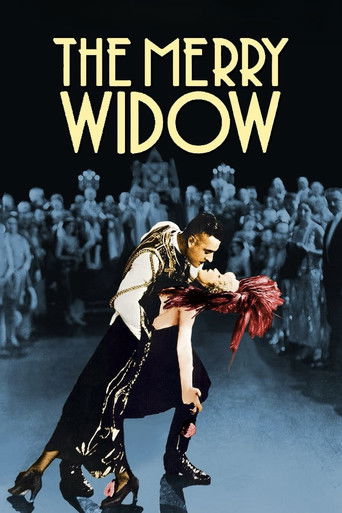
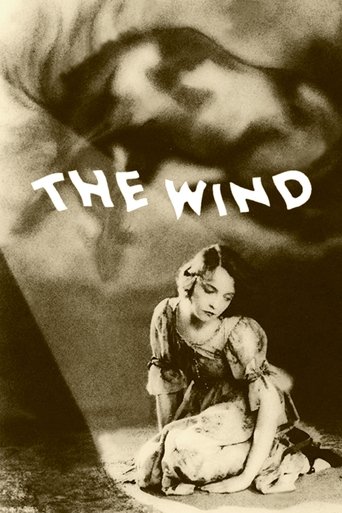
- The Wind (1928)
- Flesh and the Devil (1926)
- The Scarlet Letter (1926)
- The Divine Woman (1928)
- Wild Orchids (1929)
- The Kiss (1929)
- The Story of Gösta Berling (1939 remake)
- Fanny and Alexander (1982)
- The Emigrants (1971)
- The New Land (1972)
Film Restoration
The film has been preserved and restored by the Swedish Film Institute, with multiple versions existing in archives worldwide. The most complete version was restored in 2008 using materials from Swedish, American, and European archives. Some scenes remain lost, particularly from the original two-part Swedish version. The restoration has been screened at international film festivals and is available on Blu-ray with newly commissioned musical scores. The film is considered well-preserved compared to many other silent era productions, thanks to its cultural importance and early recognition as a masterpiece.
Where to Watch
- Criterion Collection Blu-ray release
- Swedish Film Institute's streaming service
- Kino Classics DVD/Blu-ray
- MUBI streaming platform (periodically)
- Film Movement streaming service
- Various public domain versions on YouTube (quality varies)
- Specialized silent film streaming services
- Film archives and cinematheques worldwide
- Turner Classic Movies (occasional broadcasts)
- The Criterion Channel streaming service