Films
4 films
About Jenny Hasselqvist
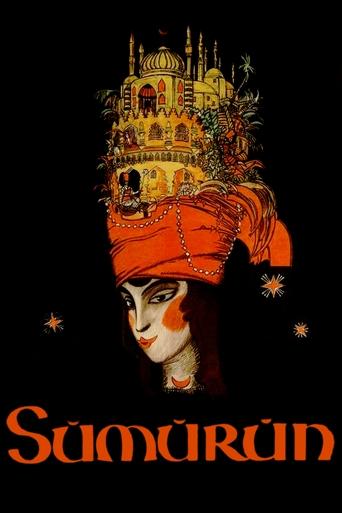
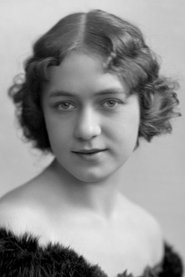
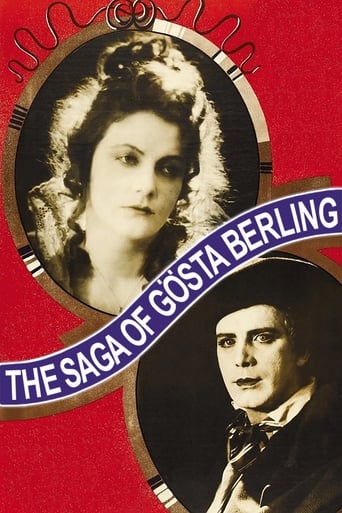
Swedish silent-film actress and stage performer who appeared briefly but memorably in Scandinavian cinema during the early 1920s. She is best remembered for her roles in films such as Fritz Lang's Sumurun (1920) and Mauritz Stiller's The Saga of Gösta Berling (1924), both important productions of the silent era. Her screen career was short, and available records suggest that she did not pursue an extensive filmography beyond these appearances. Because her surviving credits are limited, much of her prominence comes from the significance of the films themselves rather than from a long body of star vehicles. As with many silent-era performers, detailed biographical information is scarce, and her later life is not widely documented in standard film reference sources. What remains clear is that she worked in notable international and Swedish productions at a time when Scandinavian cinema was exerting a strong influence on world film culture. Her screen presence belongs to the generation of performers who helped shape the expressive acting style associated with silent film.
The Craft
On Screen
Her acting style is not extensively documented in surviving criticism, but as a silent-era performer it would have relied on facial expression, gesture, and body language rather than spoken dialogue. In the context of the films she appeared in, her work would have needed to fit the heightened emotional clarity and visual stylization typical of silent cinema. Because she appeared in major prestige productions, her screen presence was likely shaped by the restrained yet expressive performance mode favored by leading directors such as Fritz Lang and Mauritz Stiller. No detailed contemporary descriptions of her technique are widely cited in standard references.
Milestones
- Appeared in Fritz Lang's early feature Sumurun (1920), a significant silent film associated with German expressionist-era international production.
- Participated in Mauritz Stiller's The Saga of Gösta Berling (1924), one of the landmark films of Swedish silent cinema.
- Worked during a pivotal period when Scandinavian and Central European cinema were influencing the artistic development of world film.
- Built a screen career in major productions even though her surviving filmography is very small.
Best Known For
Iconic Roles
Must-See Films
Working Relationships
Worked Often With
Why They Matter
Impact on Culture
Jenny Hasselqvist's cultural impact is tied less to celebrity stardom than to her participation in films that are now recognized as important landmarks of silent cinema. Sumurun and The Saga of Gösta Berling are both associated with the period when European filmmakers were developing a highly visual, emotionally charged style that helped define the art of the medium. By appearing in these productions, she became part of the broader network of Scandinavian and continental performers who contributed to the international prestige of silent film. Her presence in these works places her within a historically important tradition even if her own star persona is not extensively preserved in surviving documentation.
Lasting Legacy
Her legacy lies in the historical importance of the films in which she appeared and in what they reveal about the casting and performance culture of early 1920s European cinema. Although she does not have the extensive documented career of the era's most famous stars, her credits connect her to two major filmmakers whose work remains central to film-history study. For researchers and classic-cinema enthusiasts, she represents the many silent-era actors whose contributions survive primarily through film prints, cast lists, and archival references. Her name endures as part of the record of Swedish and German silent cinema at its artistic peak.
Who They Inspired
There is no clear record of Jenny Hasselqvist directly mentoring later performers, but her work contributed to the collective legacy of silent-film acting in Scandinavia and Europe. By appearing in major productions by Fritz Lang and Mauritz Stiller, she participated in performance traditions that influenced later cinematic storytelling through visual expressiveness and atmospheric staging. Her influence is therefore indirect, operating through the enduring status of the films themselves and the historical importance of the performance styles they preserved.
Off Screen
Publicly available biographical information about Jenny Hasselqvist's personal life is extremely limited. Standard silent-era references and commonly consulted film databases do not provide widely documented details about her marriages, family background, or later years. As a result, no reliable, well-established personal history can be summarized without risking speculation. Her surviving record is primarily cinematic rather than biographical.
Did You Know?
- Jenny Hasselqvist's known screen career is very brief, with only a small number of surviving credits widely cited.
- She appeared in both a German production and a Swedish production, reflecting the cross-border nature of European silent cinema.
- Her work connects her to two of the most important directors of the silent era: Fritz Lang and Mauritz Stiller.
- The Saga of Gösta Berling is one of the best-known Swedish silent films, making her part of a major milestone in national cinema history.
- Because documentation is sparse, she is one of many silent-era performers whose biography survives mainly through film records rather than extensive press coverage.
- Her career period, 1920 to 1924, places her squarely in the final flourishing years of silent cinema before sound transformed the industry.
Frequently Asked Questions
Who was Jenny Hasselqvist?
Swedish silent-film actress known for appearing in a small number of notable early 1920s productions. She is best remembered for her roles in Sumurun (1920) and The Saga of Gösta Berling (1924), both important films in European cinema history.
What films is Jenny Hasselqvist best known for?
Titles linked here include Sumurun (1920), The Saga of Gösta Berling (1924).
When was Jenny Hasselqvist born and when did she die?
Reliable public sources commonly used for silent-era film history do not provide confirmed birth and death dates for Jenny Hasselqvist. Her exact birth and death details are not well documented in readily available reference materials.
What awards did Jenny Hasselqvist win?
No widely documented awards or nominations are known for Jenny Hasselqvist. Silent-era performers from short film careers often have limited surviving award records, and none are commonly attributed to her.
What was Jenny Hasselqvist's acting style?
As a silent-film actress, her work would have depended on expressive gesture, facial nuance, and visual storytelling. Her performances would have been shaped by the heightened emotional style typical of early European cinema.
Why is Jenny Hasselqvist still remembered?
She is remembered because she appeared in two historically significant silent films made by major directors. Even with a small filmography, her credits place her within an important chapter of Scandinavian and German film history.