


Sumurun
"Slave girl, cloth merchant, and a clown's hopeless love"
Keys: Space play/pause · ←/→ 10s · F fullscreen · M mute · </> speed
About this film
The favorite slave girl of a tyrannical sheik falls in love with a cloth merchant. Meanwhile, a hunchback clown suffers unrequited love for a traveling dancer who wants to join the harem.
Cast & crew
More films like this

More Adventure films
View all →


More from Ernst Lubitsch
View all →
More about this film
About the production
Release dateSeptember 1, 1920 (Germany)
ProductionErnst Lubitsch-Film GmbH
Filmed inTempelhof Studios, Berlin, Germany
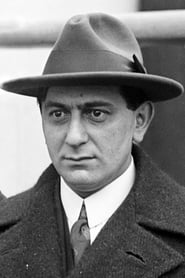
The film was part of Lubitsch's series of exotic costume dramas that established his international reputation. The production featured elaborate sets and costumes designed to create an authentic Arabian atmosphere. Lubitsch both directed and acted in the film, playing the role of the hunchback clown Puffta. The film was made during the height of German Expressionist cinema, though Lubitsch's style was more influenced by his background in comedy and sophisticated visual storytelling. The production design was handled by Hans Dreier, who would later become a prominent Hollywood art director.
Themes
Forbidden loveSocial hierarchy and classUnrequited loveJealousy and obsessionThe nature of beauty
Themes & topics
haremsheikcircusclownslave girlArabian Nightslove triangleforbidden lovemelodramaexotic settingcostume dramasilent film
Historical background
Made during the studio era of 1920, Sumurun reached audiences through theatrical programs, fairground booths, or specialized distribution channels typical of its generation. The favorite slave girl of a tyrannical sheik falls in love with a cloth merchant. Meanwhile, a hunchback clown suffers. Historians now read such works for what they reveal about production methods, national taste, and the expanding vocabulary of screen narrative.
Why this film matters
Archivists and programmers still screen Sumurun when tracing how popular entertainment evolved. Its subject—the favorite slave girl of a tyrannical sheik falls in love with a cloth merchant. meanwhile, a—gives later viewers tangible evidence of what drew crowds in the silent period. Home video, restorations, and festival sidebars keep the title circulating among students of film history.
Making of
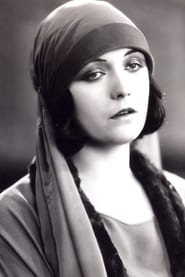
The production of 'Sumurun' represented Ernst Lubitsch at the peak of his German period, combining his talents as both director and actor. The film was made during a particularly creative period in German cinema, with Lubitsch establishing himself excelled in both comedy and drama. Working with cinematographer Theodor Sparkuhl, Lubitsch developed sophisticated visual techniques that would later influence his Hollywood work. The chemistry between Lubitsch and Pola Negri was particularly notable, as this was one of several collaborations that helped define both of their careers. The elaborate production design by Hans Dreier created an authentic Arabian atmosphere that impressed international audiences and demonstrated the technical sophistication of German film production in the early 1920s. The film's success in international markets, particularly in America, directly led to Lubitsch's recruitment by Hollywood studios.
What critics said
Original trade coverage treated Sumurun as routine program filler rather than a landmark production—typical of steady studio output. Later criticism emphasizes preservation, stylistic comparison with contemporaries, and whatever cast or crew names later gained prominence. Contemporary writing is mostly historical: assessing completeness, influence, and place in a director's or studio's catalog.
Did you know?
- The film was also known as 'One Arabian Night' in some international markets and 'Sumurun, das Märchen aus dem 1001. Nacht' in Germany
- Ernst Lubitsch both directed and starred in the film, playing the hunchback clown Puffta
- This was one of Pola Negri's breakthrough roles that helped launch her international career
- The film was based on a 1910 stage pantomime by Friedrich Freksa titled 'Sumurun'
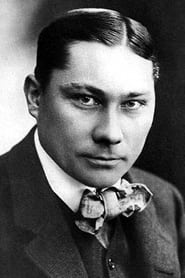
- Paul Wegener, famous for 'The Golem' films, plays the Sheik
- The film was a commercial success and helped establish Lubitsch's reputation in Hollywood
- A sound remake was made in 1933 titled 'The Merry Monarch' (also known as 'The Desert Song'), though without Lubitsch's involvement
- The film showcases Lubitsch's early development of what would become known as the 'Lubitsch Touch'
- It was one of the last German films Lubitsch made before moving to Hollywood in 1922
- The film's exotic setting was created entirely on studio sets at Tempelhof Studios in Berlin
- The cinematographer was Theodor Sparkuhl, who would later work in Hollywood
- The film's success led to Lubitsch being recruited by Hollywood studios
Visual style
The cinematography by Theodor Sparkuhl featured sophisticated lighting techniques and camera movements that were advanced for the period. The film employed elaborate set designs and lighting to create an exotic Arabian atmosphere entirely within German studios. Sparkuhl and Lubitsch used innovative techniques such as soft focus lighting for romantic scenes and dramatic shadows to enhance the emotional impact. The visual style combined elements of German Expressionism with more naturalistic approaches, creating a distinctive look that balanced artistic innovation with narrative clarity. The film's visual sophistication demonstrated the technical excellence of German film production in the early 1920s and influenced cinematic visual language internationally.
Innovations
The film featured innovative set design and construction techniques that allowed for the creation of elaborate Arabian palace interiors and outdoor scenes entirely within studio confines. The production demonstrated advanced makeup and costume design capabilities, particularly in creating the hunchback character and authentic-looking period costumes. Lubitsch employed sophisticated editing techniques to weave together multiple storylines, showing advanced narrative construction for the period. The film's lighting techniques, particularly in creating mood and atmosphere, represented significant technical achievement in early cinematography. The production also showcased advanced techniques in creating crowd scenes and large-scale set pieces that maintained visual clarity while creating impressive spectacle.
Music
As a silent film, 'Sumurun' would have been accompanied by live musical performance during its original theatrical run. The score would typically have been compiled from existing classical pieces or specially composed music to match the film's exotic setting and emotional tone. While no original score documentation survives, the film's romantic and dramatic elements would have required a varied musical accompaniment ranging from sweeping romantic themes to more playful comedic motifs. Modern screenings of the film often feature newly composed scores that attempt to recreate the spirit of the original accompaniment while utilizing contemporary musical sensibilities. Some versions have been scored with authentic Middle Eastern instruments to enhance the exotic atmosphere.
Famous quotes
As a silent film, 'Sumurun' featured no spoken dialogue, but relied on intertitles for narrative exposition and emotional expression. The film's emotional impact was conveyed through visual storytelling, facial expressions, and musical accompaniment rather than memorable spoken lines.
Memorable scenes
- The climactic scene where the hunchback clown Puffta (played by Lubitsch) performs his tragic routine, combining comedy and pathos in a way that exemplifies Lubitsch's sophisticated approach to blending genres. The elaborate harem scenes featuring Pola Negri showcased the film's impressive production design and visual sophistication. The marketplace scenes where the cloth merchant first encounters the slave girl demonstrated Lubitsch's ability to create romantic tension through visual composition and actor performance. The circus arrival sequence provided opportunities for visual spectacle and introduced the film's themes of illusion and reality.
What audiences thought
The film was a commercial success both in Germany and internationally, helping to establish Ernst Lubitsch as a director of international stature. Audiences were particularly drawn to the exotic settings, elaborate costumes, and the romantic storyline. Pola Negri's performance created a sensation and helped build her fan base across Europe and America. The film's success demonstrated the international appeal of German cinema and contributed to the growing recognition of film as a sophisticated art form. Contemporary audience reactions were generally enthusiastic, with many praising the film's visual beauty and emotional depth. The film's popularity helped cement the trend for exotic costume dramas in the early 1920s.
Film connections
Influenced by
- Arabian Nights tales
- German Expressionist cinema
- 19th century Orientalist art and literature
- Stage pantomime traditions
- Viennese operetta
This film influenced
- The Sheik (1921)
- The Thief of Bagdad (1924)
- Kismet (1930)
- The Garden of Allah (1936)
- The Merry Monarch (1933)
Film restoration
The film survives in various archives and has been restored by film preservation institutions. While some deterioration is evident due to the film's age, it remains largely intact and accessible for study and viewing. The restoration work has helped preserve the visual quality of Lubitsch's cinematography and the elaborate production design. The film exists in the collections of major film archives including the Museum of Modern Art, the Deutsche Kinemathek, and the British Film Institute. Some versions may be incomplete or show signs of nitrate decomposition, but the film is generally considered to be in good preservation status for a film of its age.
Where to watch
- The film is available on DVD collections including 'Ernst Lubitsch in Berlin' from the Criterion Collection
- Some streaming services specializing in classic cinema such as the Criterion Channel may offer the film
- Film archives and museums occasionally screen restored versions
- The film may be available through educational film distribution services
- Some public domain versions may be available on internet archive sites