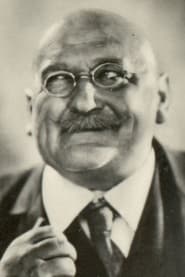
Jakob Tiedtke
Actor
Born: June 23, 1875 in Berlin, Germany Died: June 30, 1960 Active: 1915-1959
Films
8 films
About Jakob Tiedtke
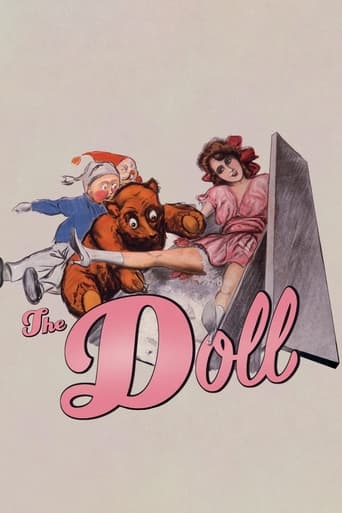
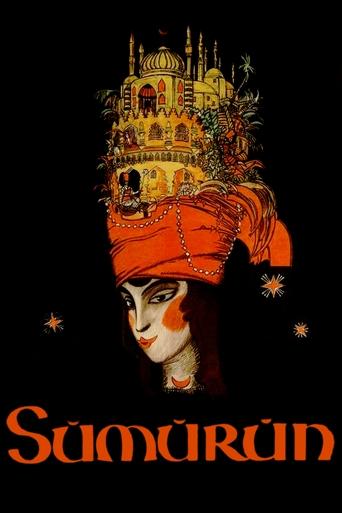
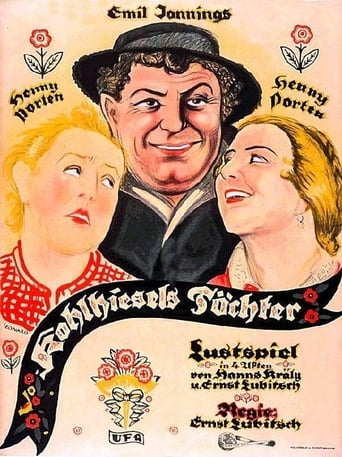
Prolific German character actor who became a familiar face in German cinema during the silent era and beyond. Born in Berlin in 1875, he began his film career around 1915 and quickly established himself as a reliable supporting actor, particularly in comedies. Tiedtke frequently collaborated with director Ernst Lubitsch in his early German period, appearing in several of the director's most successful silent comedies including The Doll (1919), Sumurun (1920), and Kohlhiesel's Daughters (1920). With his distinctive bald head, round face, and expressive features, Tiedtke specialized in playing pompous officials, stuffy businessmen, and comic authority figures. Jakob appears in over 150 films throughout his career, making him one of Germany's most prolific character actors of his generation. Unlike many of his contemporaries, Tiedtke successfully transitioned to sound films and continued working through the 1930s and 1940s, though his roles became smaller as he aged. He remained active in German cinema until the late 1950s, appearing in his final film in 1959, just a year before his death in Berlin at age 85.
The Craft
On Screen
Tiedtke specialized in comic character roles, often playing pompous officials, stuffy businessmen, and authority figures with a humorous twist. His distinctive appearance—bald head, round face, and expressive eyes—made him instantly recognizable to German audiences. In the silent era, he used exaggerated facial expressions and physical comedy to convey his characters' personalities, particularly effective in his frequent portrayals of flustered or self-important men. His style was adaptable enough to transition to sound films, where his distinctive voice and timing complemented his visual comedy.
Milestones
- Breakthrough role in The Golem (1915)
- Frequent collaboration with Ernst Lubitsch in early films
- Appeared in over 150 films throughout his career
- Successfully transitioned from silent to sound films
- Remained active in German cinema for over four decades
Best Known For
Iconic Roles
Must-See Films
Working Relationships
Worked Often With
Studios
Why They Matter
Impact on Culture
Jakob Tiedtke contributed significantly to German silent cinema as one of its most recognizable character actors. His frequent appearances in Lubitsch's early German comedies helped establish the distinctive style of German film comedy that would later influence Hollywood. Tiedtke's ability to create memorable characters in supporting roles demonstrated the importance of ensemble casting in silent films, where even minor characters needed to be visually distinct and immediately understandable to audiences. His successful transition to sound films also represented the adaptability of German actors during this technological transition period.
Lasting Legacy
Jakob Tiedtke's legacy lies in his contributions to German cinema's golden age of silent films and his remarkable longevity in the industry. As a character actor who appeared in over 150 films spanning four decades, he represents the working actors who formed the backbone of German cinema. His collaborations with Ernst Lubitsch are now studied as examples of early German comedy that would influence international film development. Film historians recognize Tiedtke as part of the generation of German actors who bridged the silent and sound eras, adapting their craft to changing technologies while maintaining their artistic identity.
Who They Inspired
While not a star leading man, Jakob Tiedtke influenced German cinema through his consistent character work and his contributions to the development of film comedy. His performances in Lubitsch's films helped establish archetypes that would appear in comedies across national cinemas. Younger German actors studying his work would have learned valuable lessons about creating distinctive characterizations that could be immediately understood by audiences. His ability to transition between theatrical and film acting styles also provided a model for other stage actors moving into the new medium of cinema.
Off Screen
Jakob Tiedtke was born and raised in Berlin, where he spent his entire life except for his military service. He came from a middle-class family and initially worked in business before discovering his passion for acting. Tiedtke married twice during his lifetime, though detailed information about his marriages is limited. Unlike many actors of his era, he maintained a relatively private personal life and rarely gave interviews about his off-screen activities. He continued living in Berlin through both World Wars and the division of the city, remaining in East Berlin after World War II.
Education
Limited information available about his formal education, though he likely received standard German education of his era and may have had some theatrical training before entering films.
Family
- Unknown spouse 1
- Unknown spouse 2
Did You Know?
- Appeared in over 150 films throughout his 44-year career
- Was one of director Ernst Lubitsch's favorite character actors in his German period
- His distinctive bald appearance made him instantly recognizable to German audiences
- Successfully transitioned from silent films to sound films when many of his contemporaries struggled
- Continued acting into his 80s, appearing in films until 1959
- Served in the German military during World War I before his film career took off
- Remained in East Berlin after the division of Germany following World War II
- Often played characters much older than his actual age due to his mature appearance
- Never achieved leading man status but was consistently employed as a reliable character actor
- His final film appearance came just a year before his death at age 85
In Their Own Words
No famous quotes attributed to Jakob Tiedtke are widely documented, as was common for character actors of his era who rarely gave interviews or had their words preserved in publications.
Frequently Asked Questions
Who was Jakob Tiedtke?
Screen credits include over 150 films during a career spanning from 1915 to 1959. He was particularly known for his work in silent era German comedies, especially those directed by Ernst Lubitsch, where he often played pompous or comic authority figures with his distinctive bald appearance.
What films is Jakob Tiedtke best known for?
When was Jakob Tiedtke born and when did he die?
Born June 23, 1875; died June 30, 1960.
What awards did Jakob Tiedtke win?
There are no documented major awards or honors specifically attributed to Jakob Tiedtke during his career. Like many character actors of his era, his contributions were recognized through consistent employment rather than formal accolades.
What was Jakob Tiedtke's acting style?
Tiedtke specialized in comic character roles, often playing pompous officials, stuffy businessmen, and authority figures with humorous undertones. In silent films, he used exaggerated facial expressions and physical comedy, while in sound films, his distinctive voice and timing complemented his visual performance style.
How did Jakob Tiedtke transition from silent to sound films?
Unlike many silent era actors whose careers ended with the advent of sound, Tiedtke successfully transitioned to talking pictures. His theatrical background and distinctive voice helped him adapt to the new medium, allowing him to continue working in German cinema through the 1930s, 1940s, and 1950s.
Was Jakob Tiedtke related to any other famous actors?
There is no documentation of Jakob Tiedtke being related to other famous actors. He appears to have been an independent figure in German cinema without notable family connections to the film industry.