
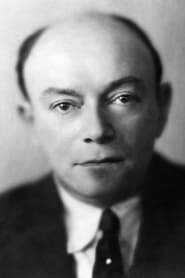
Kohlhiesel's Daughters
"Seppel suggests."
Keys: Space play/pause · ←/→ 10s · F fullscreen · M mute · </> speed
About this film
Somewhere in Southern Bavaria Xaver wants to marry Gretel, but her father Kohlhiesel wants his elder daughter Liesel to marry first. The problem is, nobody wants to marry her, because she is too brutal. Seppel suggests, that he should marry Liesel first, get rid of her and then he can marry Gretel...
Cast & crew
More films like this

More Comedy films
View all →







More from Ernst Lubitsch
View all →
More about this film
About the production
Release dateOctober 29, 1920 (Germany)
Box officeCommercially successful in Germany and internationally, particularly popular in Scandinavia
ProductionProjektions-AG Union (PAGU)
Filmed inBavaria, Germany, Studio locations in Berlin
Filmed during the challenging economic conditions of post-WWI Germany, the production utilized local Bavarian locations for authentic regional atmosphere. The film was one of Lubitsch's last German productions before his move to Hollywood. The cast underwent extensive preparation for their Bavarian dialects and customs, with Emil Jannings spending time in actual Bavarian inns to study character mannerisms.
Themes
Traditional vs. modern valuesMarriage and social expectationsGender roles and stereotypesFamily dynamicsRegional identity
Themes & topics
BavariaInnkeeperTwo sistersArranged marriageComedy of errorsDeceptionTransformationRural settingFamily businessRomantic complications
Historical background
By 1920, distribution was widening and Kohlhiesel's Daughters reached audiences through the theatrical channels dominant before television.
Why this film matters
Historians treat Kohlhiesel's Daughters as evidence of what typical 1920 audiences could see in a program slot.
Making of
The production faced significant challenges due to the post-war economic crisis in Germany, with inflation affecting costs and resources. Lubitsch worked closely with cinematographer Theodor Sparkuhl to develop visual gags that would translate across cultural barriers, using camera angles and editing to enhance the comedy. Henny Porten's dual role required innovative makeup techniques and careful editing to distinguish between the two sisters. The film was shot on location in Bavaria during summer 1920, with local villagers serving as extras. Lubitsch, known for his perfectionism, reportedly shot multiple takes of key scenes to perfect the timing of physical comedy. The collaboration between Lubitsch and Emil Jannings was particularly fruitful, with Jannings contributing ideas for his character's comic moments.
What critics said
Specialist critics today emphasize preservation when a viewable copy of Kohlhiesel's Daughters survives.
Did you know?
- This was one of Ernst Lubitsch's most successful German comedies before he emigrated to America in 1922
- The film was based on a popular stage play by Hanns Kräly, who frequently collaborated with Lubitsch
- Emil Jannings, who plays Seppel, would later become the first person to win an Academy Award for Best Actor
- The film was so popular that it was remade multiple times, including a 1930 sound version and a 1943 Nazi-era adaptation
- Henny Porten, who plays both sisters, was one of Germany's biggest female stars of the silent era
- The original German title 'Kohlhiesels Töchter' became a catchphrase in Germany for difficult marriage situations
- Lubitsch's sophisticated visual comedy style, later known as the 'Lubitsch Touch', is clearly evident in
- The film's success helped establish the regional comedy genre in German cinema
- Despite its German setting, the film found international success due to its universal themes and visual storytelling
- The production coincided with the height of German Expressionism, though Lubitsch chose a more realistic, comedic approach
Awards & recognition
- No major awards recorded - pre-Oscar era German cinema
Visual style
Theodor Sparkuhl's cinematography employed natural lighting for the Bavarian exterior scenes, creating an authentic regional atmosphere while maintaining the visual clarity needed for comedy. The camera work featured innovative use of medium shots and close-ups to highlight comic reactions and facial expressions, a technique still relatively new in 1920. The film utilized tracking shots to follow characters through the inn setting, creating a sense of space and movement that enhanced the physical comedy. Sparkuhl and Lubitsch developed a visual language for comedy that included strategic framing to emphasize the size difference between characters and the use of depth of field to create layered comedic situations.
Innovations
The film featured innovative editing techniques for its time, particularly in the scenes involving Henny Porten's dual role, requiring careful shot matching and timing. The production utilized location shooting combined with studio work, demonstrating advanced techniques for maintaining visual consistency between different filming environments. The makeup and costume design for Porten's dual characters represented significant technical achievement in early cinema, allowing one actress to convincingly portray two distinctly different sisters. The film's pacing and rhythm in comic sequences showed sophisticated understanding of editing for comedic effect, techniques that would influence later comedy filmmaking.
Music
As a silent film, Kohlhiesel's Daughters would have been accompanied by live musical performance in theaters. The original German release likely featured a compilation of popular German folk songs and light classical pieces, with specific musical cues for emotional and comedic moments. Bavarian folk music would have been prominently featured during scenes set in the inn. The score would have been tailored to enhance the regional atmosphere and support the romantic and comic elements. Modern restorations have been accompanied by newly composed scores that attempt to recreate the original musical spirit while utilizing contemporary orchestration.
Famous quotes
Silent film - intertitles included: 'First the older, then the younger - that's the Bavarian way!'
'A man who can tame Liesel Kohlhiesel can tame anything!'
'Sometimes the hardest nut to crack hides the sweetest kernel'
Memorable scenes
- The opening scene introducing both sisters and their contrasting personalities
- Seppel's first encounter with the formidable Liesel at the inn
- The wedding scene where Liesel's true nature begins to emerge
- The comedic dinner sequence where Seppel attempts to civilize Liesel
- The final revelation scene where both sisters appear together
What audiences thought
The film was enormously popular with German audiences upon its release, running for extended periods in Berlin and other major cities. Its success extended beyond Germany to other European countries, particularly Scandinavia and the Netherlands, where German films were popular in the early 1920s. Audiences responded especially well to the authentic Bavarian setting and the relatable family dynamics. The film's humor transcended language barriers, making it successful in export markets. Contemporary audience reports indicate that viewers particularly enjoyed the physical comedy and the romantic resolution. The film's popularity contributed to Henny Porten's status as Germany's most popular female star of the early 1920s.
Film connections
Influenced by
- German folk theater traditions
- Commedia dell'arte character archetypes
- Shakespearean comedy elements
- Bavarian folk culture
- German stage comedy conventions
This film influenced
- The Marriage Circle (1924)
- So This Is Paris (1926)
- One Hour with You (1932)
- The Merry Widow (1934)
- Trouble in Paradise (1932)
- Ninotchka (1939)
Film restoration
The film is partially preserved with some scenes missing or damaged. A restored version exists in the German Federal Film Archive, though it's not complete. The film has been preserved on 35mm film and digitized for archival purposes. Some original nitrate prints were destroyed during WWII, but copies survived in various international archives. The Friedrich Wilhelm Murnau Foundation holds the most complete version available.
Where to watch
- Available on DVD from German film archives
- Streaming on specialized classic film platforms
- Screenings at film museums and cinematheques
- Available through European film streaming services
- Archival screenings at silent film festivals