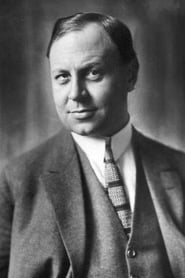
Emil Jannings
Actor
Born: July 23, 1884 in Rorschach, Switzerland Died: January 2, 1950 Active: 1914-1945 Birth Name: Theodor Friedrich Emil Janenz
Films
17 films

The Loves of Pharaoh
1922
Anna Boleyn
1920
The Last Laugh
1924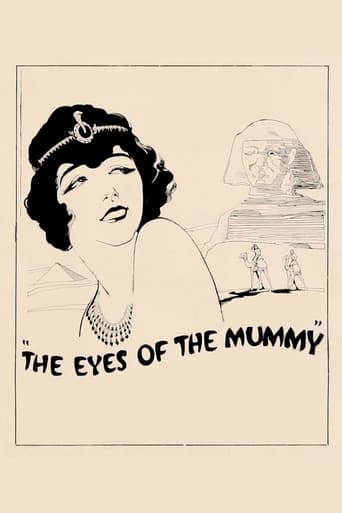
The Eyes of the Mummy
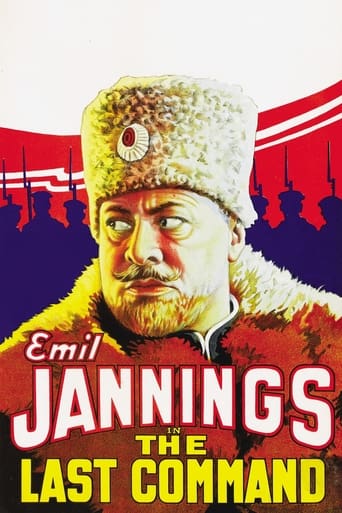
The Last Command
1928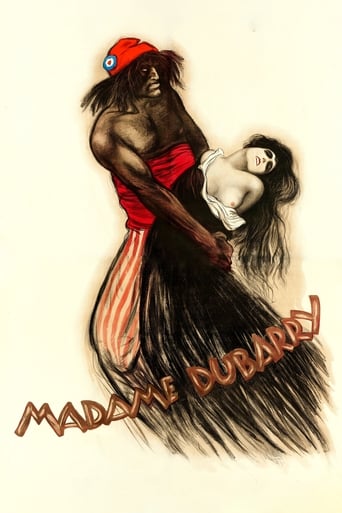
Madame DuBarry
1919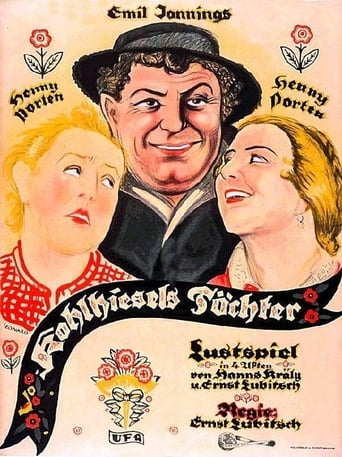
Kohlhiesel's Daughters
1920
Algol: Tragedy of Power
1920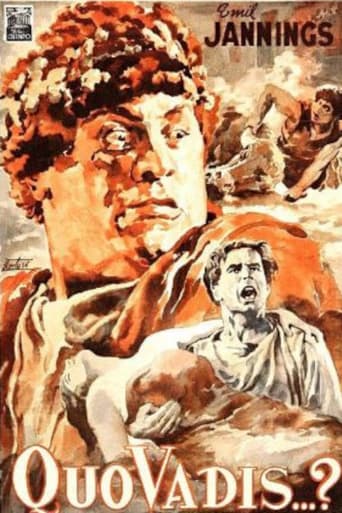
Quo Vadis?
1924
Husbands or Lovers
1924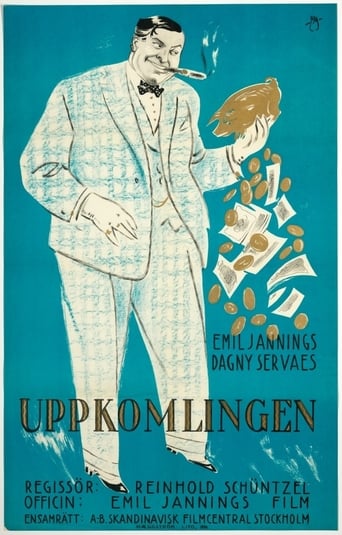
All for Money
1923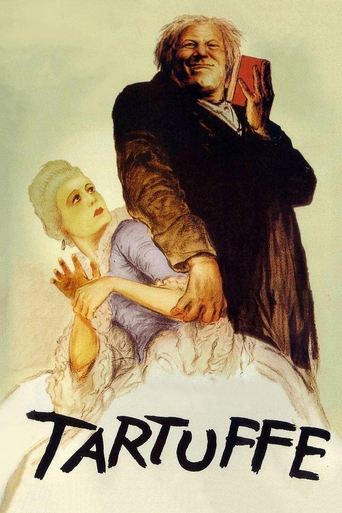
Tartuffe
1925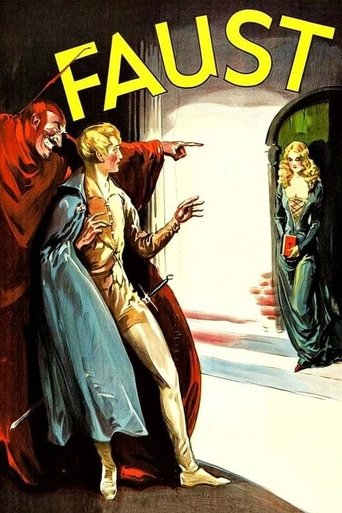
Faust
1926
The Merry Jail
1917
Lulu
1917
The Patriot
1928About Emil Jannings
Emil Jannings (1884–1950) was a German actor and the first winner of the Academy Award for Best Actor (1929). Born Theodor Friedrich Emil Janenz in Switzerland, he built his reputation on the German stage before moving to film in 1914. Jannings quickly rose to prominence in German cinema during the 1910s and 1920s, becoming internationally known for his powerful performances in films directed by F.W. Murnau, Ernst Lubitsch, and Josef von Sternberg. His breakthrough came with his role in 'The Last Laugh' (1924), where he delivered a tour-de-force performance without intertitles. In 1929, he made history by winning the first Academy Award for Best Actor for his performances in 'The Last Command' and 'The Way of All Flesh'. After the advent of sound films, Jannings returned to Germany where he continued acting, though his career became controversial due to his association with the Nazi regime and propaganda films. He made his final film in 1945 and spent his later years in relative obscurity in Austria, where he died in 1950, leaving behind a complex legacy as both an actor and a controversial figure in film history.
The Craft
On Screen
Known for his intense, expressionistic acting style characterized by powerful facial expressions and body language that could convey deep emotion without dialogue. Jannings employed a theatrical approach adapted for the camera, using exaggerated gestures and dramatic facial contortions to express complex psychological states. His technique was particularly effective in silent films where visual storytelling was paramount, and he could portray both tragic vulnerability and authoritarian menace with equal conviction. Jannings' method influenced the transition from theatrical acting to more cinematic techniques, though his style remained more overtly dramatic than the naturalistic approach that would later dominate film acting.
Milestones
- First Academy Award winner for Best Actor (1929)
- Starred in F.W. Murnau's 'The Last Laugh' (1924)
- International acclaim for 'Variety' (1925)
- Hollywood success with 'The Last Command' (1928)
- Iconic role in 'The Blue Angel' (1930) opposite Marlene Dietrich
- Pioneered expressionistic acting techniques in silent cinema
Best Known For
Iconic Roles
Must-See Films
Accolades
Won
- Academy Award for Best Actor (1929) - For 'The Last Command' and 'The Way of All Flesh'
- Honorary German Film Award (1965) - Posthumous recognition
- Venice Film Festival Volpi Cup for Best Actor (1937) - For 'Der Herrscher'
Nominated
- None - He was the first winner before the nomination system was fully established
Special Recognition
- Star on Hollywood Walk of Fame (1720 Vine Street)
- First recipient of the Academy Award for Best Actor
- Featured on German postage stamps honoring cinema pioneers
- Subject of retrospectives at major film festivals including Berlin and Venice
Working Relationships
Worked Often With
Studios
Why They Matter
Impact on Culture
Emil Jannings had a profound impact on cinema as both an artistic pioneer and a historical figure. As the first Academy Award winner for Best Actor, he set a precedent for acting excellence in film and helped establish the Academy Awards as the industry's most prestigious honor. His work in German expressionist cinema contributed significantly to the artistic movement that revolutionized film aesthetics worldwide. Jannings' ability to convey complex emotions through visual performance demonstrated the unique power of cinema as an art form distinct from theater. His international success helped bridge German and American cinema during the 1920s, facilitating cultural exchange during the golden age of silent film. However, his later association with Nazi propaganda films also serves as a cautionary tale about the relationship between art and politics, making him a complex figure in film history whose legacy continues to be debated by scholars and critics.
Lasting Legacy
Emil Jannings' legacy in film history is both remarkable and controversial. As a performer, he established new standards for screen acting, particularly in silent cinema, demonstrating how actors could use facial expressions and body language to convey deep psychological states. His performances in films like 'The Last Laugh' remain studied examples of cinematic acting technique. Jannings' historic Academy Award win cemented his place in cinema history, though his career trajectory also illustrates the challenges European actors faced with the transition to sound and the political upheavals of the 1930s. His later work for the Nazi regime has complicated his historical reputation, leading to ongoing debates about how to separate artistic achievement from political collaboration. Despite these controversies, Jannings' influence on film acting techniques and his role in establishing the Academy Awards ensure his continued significance in cinema studies.
Who They Inspired
Emil Jannings influenced generations of actors through his innovative approach to screen performance. His expressionistic style, while theatrical by modern standards, demonstrated how actors could adapt stage techniques for the camera's intimate perspective. Many subsequent actors, particularly in German cinema, built upon his methods for conveying emotion through visual means. His success in both German and American cinema showed the potential for international stardom in the film industry. Jannings' work influenced the development of character acting in cinema, showing how actors could transform themselves completely for different roles. His performances in films like 'The Last Laugh' influenced directors and actors in understanding how to tell stories visually without relying on intertitles, a lesson that remained relevant even after the advent of sound. Method acting pioneers like Marlon Brando and Montgomery Clift, while developing very different techniques, were part of an evolutionary chain that began with actors like Jannings who first explored the possibilities of realistic emotional expression on screen.
Off Screen
Emil Jannings led a complex personal life marked by multiple marriages and professional controversies. He married four times throughout his life: first to Hanna Ralph (1919-1921), then to Lucie Höflich (1922-1924), followed by Gussy Holl (1924-1939), and finally to Siegrid von Laffert (1939-1950). He had one daughter, Ruth Jannings, with his first wife Hannah Ralph. Despite his professional success, Jannings struggled with personal relationships and was known for his difficult temperament on set. His later years were marked by financial difficulties and health problems, and he died of liver cancer in 1950 at the age of 65 in Strobl, Austria.
Education
Trained at the Royal Theatre School in Berlin and began his career performing in various German theaters before transitioning to film
Family
- Hanna Ralph (1919-1921)
- Lucie Höflich (1922-1924)
- Gussy Holl (1924-1939)
- Siegrid von Laffert (1939-1950)
Did You Know?
- He was the first person to win an Academy Award for acting, receiving it at the first Academy Awards ceremony in 1929
- His thick German accent made it difficult for him to continue in Hollywood after the transition to sound films
- Jannings was paid $50,000 per film by Paramount Pictures in 1928, making him one of the highest-paid actors of his time
- He was Adolf Hitler's favorite actor and appeared in several Nazi propaganda films
- His Oscar statue was one of the few pre-World War II Academy Awards that survived and was sold at auction for over $600,000 in 2012
- He originally wanted to be a sailor and ran away to sea as a teenager before returning to pursue acting
- Jannings was known for his extreme method approach, often remaining in character between takes and sometimes for days
- He was one of the few silent film stars who successfully negotiated a lucrative contract when sound films arrived
- His performance in 'The Last Laugh' required him to age 30 years through makeup and acting, with no dialogue to support his transformation
- Despite his Nazi-era films, he was never charged with war crimes and was allowed to continue living in Austria after World War II
In Their Own Words
Acting is not about being someone different. It's finding the similarity in what is apparently different, then finding myself in there.
The camera is a merciless instrument. It photographs everything, even what you don't want to show.
In silent films, the actor must be a painter, using his face as canvas and emotions as colors.
Success in America is wonderful, but it's like a champagne glass - beautiful but easily broken.
I have played kings and beggars, but the hardest role is always being myself.
Frequently Asked Questions
Who was Emil Jannings?
German with credits in this catalog. He was known for his powerful performances in German expressionist films and his brief Hollywood career before returning to Germany.
What films is Emil Jannings best known for?
Titles linked here include The Last Laugh (1924), Variety (1925).
When was Emil Jannings born and when did he die?
Born July 23, 1884; died January 2, 1950.
What awards did Emil Jannings win?
Jannings won the first Academy Award for Best Actor in 1929 for his performances in 'The Last Command' and 'The Way of All Flesh'. He also received the Venice Film Festival's Volpi Cup for Best Actor in 1937 and was posthumously honored with a German Film Award in 1965.
What was Emil Jannings' acting style?
Jannings was known for his intense, expressionistic acting style characterized by powerful facial expressions and dramatic body language. He could convey deep emotions without dialogue, making him particularly effective in silent films. His technique combined theatrical training with cinematic sensibility, allowing him to transform completely for different roles.
Why did Emil Jannings leave Hollywood?
Jannings left Hollywood primarily because his thick German accent made it difficult for him to transition to sound films. He returned to Germany in 1929, just as the talkies were taking over, and continued his career there, though this decision later led to controversy when he worked during the Nazi era.
How did Emil Jannings influence cinema?
Jannings influenced cinema through his work in silent film acting, demonstrating how emotions could be conveyed visually without dialogue. As the first Best Actor Oscar winner, he helped establish the Academy Awards' prestige. His performances in German expressionist films contributed to an important artistic movement that influenced filmmakers worldwide.
What controversies surround Emil Jannings' legacy?
The main controversy surrounding Jannings is his collaboration with the Nazi regime, where he appeared in propaganda films and was honored by Joseph Goebbels. This association has complicated his legacy, leading to debates about how to separate his artistic achievements from his political choices during one of history's darkest periods.