Husbands or Lovers
"Poet tempts a bored wife"
Keys: Space play/pause · ←/→ 10s · F fullscreen · M mute · </> speed
About this film
Bored wife succumbs to a seductive poet while her husband lounges at home. A 1924 marital infidelity drama.
Cast & crew
More films like this

More Drama films
View all →







More about this film
About the production
Release dateSeptember 29, 1924
Box officeModest success in Germany, limited international distribution
ProductionCzinner-Film GmbH, Universum Film AG (UFA)
Filmed inBerlin, Germany, Tempelhof Studios
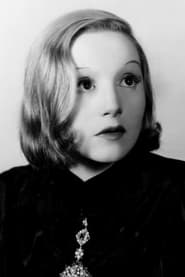
Filmed during the height of German Expressionism, though the film itself adopted a more realistic style than many contemporary German productions. The production faced challenges due to the hyperinflation crisis in Germany, which affected funding and resources. Director Paul Czinner and star Elisabeth Bergner were married at the time, adding personal tension to the production of this story about marital discord.
Themes
Marital dissatisfactionFemale autonomy and choiceMaterial security vs. emotional fulfillmentClass differences and social expectationsThe conflict between duty and desire
Themes & topics
adulterymarriagepoettrianglewealthseductionchoicesacrificesocietyclassromancedrama1920sWeimar Republicsilent film
Historical background
Husbands or Lovers (1924) reached audiences during the silent feature period, when exhibitors mixed shorts and features on the same program.
Why this film matters
Historians retain Husbands or Lovers as a record of how filmmakers in 1924 addressed popular genres.
Making of
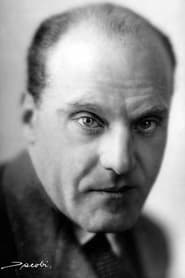
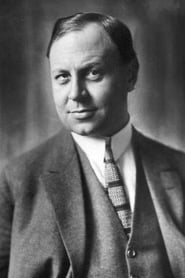
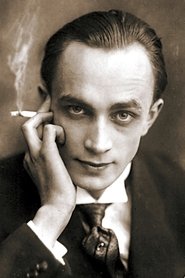
The production of 'Husbands or Lovers' took place during a tumultuous period in German history, with the country still reeling from World War I and experiencing severe economic instability. Director Paul Czinner, who had recently married his star Elisabeth Bergner, brought a personal understanding of marital dynamics to the project. The casting of Emil Jannings as the unattractive husband was particularly bold, as Jannings was one of Germany's biggest stars at the time. The film required Jannings to undergo significant makeup and costuming to appear physically unappealing, a transformation that showcased his dedication to his craft. Conrad Veidt's portrayal of the sophisticated poet was enhanced by his own artistic background and natural elegance. The production utilized the recently completed Tempelhof Studios, one of Germany's most advanced film facilities at the time. The film's realistic approach to its subject matter marked a departure from the dominant Expressionist style of German cinema, reflecting the broader cultural shift toward New Objectivity that was occurring in German arts and literature.
What critics said
Trade coverage from 1924 treated Husbands or Lovers as program material; later writers evaluate it through preservation and genre context.
Did you know?
- The film was known by multiple titles: 'Nju' in Germany, 'Husbands or Lovers' in English-speaking countries, and 'L'Ingrate' in France
- Elisabeth Bergner and Paul Czinner married in real life the same year the release was released, making their on-screen collaboration particularly poignant
- Emil Jannings, who plays the husband, would later become the first person to win an Academy Award for Best Actor
- Conrad Veidt, who plays the poet, would later gain international fame for his role as Major Strasser in 'Casablanca' (1942)
- The film was part of the 'New Objectivity' movement in German cinema, which rejected Expressionism in favor of more realistic storytelling
- The original screenplay was written by Carl Mayer, among the pivotal screenwriters of the German silent era
- The film's themes of female dissatisfaction in marriage were considered quite progressive for its time
- The production took place during the period of hyperinflation in Germany, which created significant economic challenges
- The film's cinematographer was Carl Hoffmann, who also worked on famous German classics like 'M' and 'The Blue Angel'
- Despite its artistic merits, the film was banned in several countries due to its controversial themes about adultery and female sexuality
Awards & recognition
- No major awards recorded - pre-Oscar era for international films
Visual style
The cinematography, handled by Carl Hoffmann, represents a significant departure from the dramatic lighting and distorted angles characteristic of German Expressionism. Instead, Hoffmann employed a more naturalistic visual style that emphasized realistic lighting and composition, reflecting the New Objectivity movement's preference for authenticity. The camera work is characterized by its subtlety and restraint, with careful attention paid to the actors' facial expressions and body language, which was crucial for conveying emotion in silent film. The film makes effective use of close-ups to highlight the emotional states of the characters, particularly in scenes featuring Elisabeth Bergner's expressive performance. The interior scenes are shot with a sense of claustrophobia that effectively conveys the protagonist's feeling of being trapped in her marriage. The contrast between the husband's wealthy but oppressive environment and the poet's more bohemian surroundings is visually emphasized through set design and lighting choices. Hoffmann's cinematography demonstrates the technical sophistication of German film production in the 1920s, with smooth camera movements and carefully composed shots that enhance the narrative without drawing attention to themselves.
Innovations
While not groundbreaking in terms of technical innovation, 'Husbands or Lovers' demonstrated the high level of technical sophistication achieved by German cinema by the mid-1920s. The film utilized the advanced facilities at Tempelhof Studios, which offered state-of-the-art lighting equipment and camera technology for the period. The makeup effects used to transform the handsome Emil Jannings into an overweight, unattractive character were particularly impressive for their time, requiring hours of application and demonstrating the advanced state of cosmetic techniques in German film production. The film's editing, which effectively balances the three main characters' perspectives, features the sophisticated understanding of narrative pacing that had developed in German cinema by this period. The production design successfully created contrasting visual environments for the different characters, using set decoration and props to reinforce the film's themes about class and personal values. The film's preservation of image quality throughout, particularly in the more intimate scenes, demonstrates the high standards of film processing and laboratory work in Germany during this era.
Music
As a silent film, 'Husbands or Lovers' would have been accompanied by live musical performance during its original theatrical run. The typical German cinema of the 1920s employed either a full orchestra in larger theaters or a piano or organ in smaller venues. The score would have been compiled from existing classical pieces and popular songs of the era, carefully selected to match the mood of each scene. Romantic scenes would likely have featured works by composers like Chopin or Liszt, while moments of tension might have used more dramatic pieces from the Romantic repertoire. The film's emotional intensity would have required a versatile musical accompaniment capable of shifting between tender, dramatic, and melancholic moods. In modern screenings, the film is often accompanied by newly composed scores that attempt to capture the spirit of 1920s German cinema while incorporating contemporary musical sensibilities. Some restorations have featured original compositions by musicians specializing in silent film accompaniment, using period-appropriate instruments and styles to recreate the authentic viewing experience of 1924 audiences.
Famous quotes
Between the comfort of wealth and the passion of art, a woman's heart knows no easy path
In choosing between security and desire, one must ultimately choose oneself
Poetry may feed the soul, but it cannot fill an empty stomach
Marriage is not always a sanctuary, sometimes it is merely a cage with golden bars
Memorable scenes
- The first meeting between Elisabeth and the poet at the literary salon, where their eyes meet across the crowded room and an immediate connection is established
- The confrontation scene where Emil Jannings' character discovers his wife's infidelity, his massive physical presence contrasting with his emotional vulnerability
- The final decision sequence where Elisabeth must choose between her two lovers, captured through a series of increasingly tight close-ups that reveal her internal turmoil
- The poetry reading scene where Conrad Veidt's character recites his work, his passionate delivery serving as both artistic expression and seduction
What audiences thought
The film enjoyed moderate success with German audiences, particularly among urban viewers who appreciated its sophisticated treatment of adult themes. The movie's exploration of marital dissatisfaction resonated with many women in Weimar Germany, who were experiencing unprecedented social and economic independence. The star power of Emil Jannings and Conrad Veidt undoubtedly contributed to the film's commercial appeal, with both actors being major box office draws in Germany at the time. Some conservative audience members found the film's frank treatment of adultery and female sexuality controversial, leading to occasional protests and demands for censorship in more traditional communities. The film's realistic approach to its subject matter was generally appreciated by audiences who had grown tired of the artificiality of many Expressionist films. In international markets, where it was released under various titles, the film found limited but appreciative audiences among art-house cinema patrons. Today, the film is primarily viewed by film scholars and classic cinema enthusiasts, who appreciate it as an important example of Weimar-era cinema's artistic achievements and social consciousness.
Film connections
Influenced by
- The naturalistic novels of Theodor Fontane
- Henrik Ibsen's plays about marriage and female independence
- The New Objectivity movement in German art and literature
- Earlier German melodramas dealing with social issues
- The psychological dramas of Sigmund Freud's contemporary influence
This film influenced
- Pandora's Box (1929)
- Diary of a Lost Girl (1929)
- The Blue Angel (1930)
- Later German films dealing with female sexuality and social constraints
- International melodramas of the late 1920s and early 1930s
Film restoration
The film survives in various archives, though complete prints are rare. The most complete version is held at the Bundesarchiv-Filmarchiv in Berlin. Some sequences exist only in truncated form, and the original German intertitles have been lost in some versions, requiring reconstruction from English translations. The film has undergone some restoration work in the 1990s and 2000s, but remains in need of comprehensive digital restoration. The surviving prints show varying degrees of deterioration, with some sequences suffering from nitrate decomposition. The film is not considered lost, but access to high-quality versions remains limited for researchers and the general public.
Where to watch
- Available on some specialty streaming services dedicated to classic cinema
- Occasionally screened at film festivals and cinematheques specializing in silent films
- Accessible through some European film archives for research purposes
- DVD releases exist from specialty labels, though quality varies
- Not currently available on major streaming platforms like Netflix or Amazon Prime