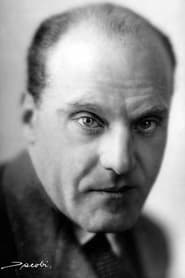
Paul Czinner
Director
Born: May 30, 1890 in Budapest, Austria-Hungary (now Hungary) Died: June 22, 1972 Active: 1924-1963
Films
1 film
About Paul Czinner
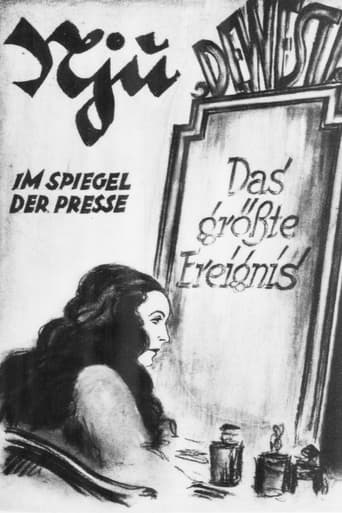
Made significant contributions to both European and international cinema during the transition from silent films to sound. Born in Budapest and raised in Vienna, he began his career in the early 1920s, quickly establishing himself as a talented director with a sophisticated visual style. His 1924 film 'Husbands or Lovers' (German title: 'Nju') was one of his early successes, showcasing his ability to handle complex emotional narratives. Czinner's career flourished in Germany during the Weimar Republic, where he created several acclaimed films starring his wife, Elisabeth Bergner. With the rise of Nazism, Czinner, who was Jewish, fled Germany in 1933, first working in Britain before eventually settling in the United States. He continued directing films internationally through the 1940s and 1950s, adapting to the changing landscape of cinema while maintaining his distinctive artistic vision. His later career included notable opera film adaptations, cementing his reputation as a versatile director capable of working across multiple genres and formats.
The Craft
Behind the Camera
Paul Czinner was known for his sophisticated visual storytelling and psychological depth, often focusing on complex female characters and emotional narratives. His directing style combined European artistic sensibilities with commercial appeal, featuring elaborate set designs and careful attention to visual composition. Czinner had a particular talent for drawing nuanced performances from his actors, especially his wife Elisabeth Bergner, creating intimate character studies within visually rich frameworks. His approach to filmmaking emphasized psychological realism and emotional authenticity, often exploring themes of love, identity, and social constraints.
Milestones
- Directed the acclaimed silent film 'Husbands or Lovers' (1924)
- Collaborated extensively with wife Elisabeth Bergner on multiple films
- Successfully transitioned from silent to sound films
- Fled Nazi Germany and rebuilt career in Britain and America
- Pioneered opera film adaptations with 'Don Giovanni' (1955)
- Directed the international production 'The Way Ahead' (1944)
Best Known For
Must-See Films
Accolades
Won
- Venice Film Festival Volpi Cup for Best Actress (for 'Dreaming Lips', 1932)
- Cannes Film Festival Best Artistic Direction (for 'Don Giovanni', 1955)
Nominated
- Venice Film Festival Mussolini Cup nomination (for 'The Rise of Catherine the Great', 1934)
- Cannes Film Festival Palme d'Or nomination (for 'Don Giovanni', 1955)
Special Recognition
- Retrospective at Museum of Modern Art, New York
- Honored in Austrian Film Archive collections
Working Relationships
Worked Often With
Studios
Why They Matter
Impact on Culture
Paul Czinner played a significant role in bridging European and Hollywood cinema during a crucial period of transition in film history. His work helped establish the template for sophisticated psychological dramas and elevated the artistic standards of commercial cinema. Czinner's films, particularly those featuring Elisabeth Bergner, contributed to the development of the complex female protagonist in cinema, influencing subsequent generations of filmmakers. His successful adaptation of operas to film helped legitimize filmed opera as an art form and demonstrated how classical music could be integrated into mainstream cinema. As a Jewish filmmaker who fled Nazi persecution, Czinner's career trajectory also reflects the broader story of European artistic diaspora and its impact on international cinema.
Lasting Legacy
Paul Czinner's legacy endures through his innovative approach to psychological storytelling and his work in opera film adaptations. His films are studied today for their sophisticated visual style and their role in the development of European cinema between the wars. The Czinner-Bergner collaborations represent one of cinema's most significant artistic partnerships, demonstrating how director-actor synergy can produce enduring works of art. His successful navigation of multiple film industries and languages made him a model for international filmmakers. Czinner's work continues to be preserved and screened at film archives and retrospectives, maintaining his reputation as a significant figure in early-to-mid 20th century cinema.
Who They Inspired
Czinner influenced subsequent generations of filmmakers through his sophisticated approach to psychological drama and his ability to blend artistic merit with commercial appeal. His work with complex female characters paved the way for more nuanced portrayals of women in cinema. His opera films demonstrated how classical art forms could be successfully adapted for the screen, influencing later directors like Franco Zeffirelli and Joseph Losey. Many British directors of the 1930s and 1940s were influenced by his visual style and narrative techniques. His international career path also served as a model for filmmakers working across different national cinemas.
Off Screen
Paul Czinner's personal life was closely intertwined with his professional career, particularly through his marriage to acclaimed actress Elisabeth Bergner. Their partnership was both romantic and artistic, with Bergner starring in many of his most successful films. The couple fled Nazi Germany together in 1933 due to their Jewish heritage, first settling in Britain before eventually moving to the United States. Czinner was known as a cultured, intellectual figure in European cinema circles, fluent in multiple languages and well-versed in literature and opera. His later years were spent between London and Los Angeles, where he continued working in film until his retirement.
Education
University of Vienna (studied philosophy and art history)
Family
- Elisabeth Bergner (1923-1972, his death)
Did You Know?
- His 1924 film 'Husbands or Lovers' was originally titled 'Nju' in German
- He was fluent in German, English, French, and Hungarian
- His wife Elisabeth Bergner was considered one of the greatest actresses of her time
- Czinner was one of the first directors to successfully escape Nazi Germany and continue his career abroad
- His opera film 'Don Giovanni' was shot in authentic Italian locations
- He served as a pilot in World War I before beginning his film career
- His films were often censored or banned in Nazi Germany after his exile
- Czinner and Bergner were sometimes called 'the Barrymores of Europe' due to their theatrical prestige
- He worked with some of the greatest cinematographers of his era, including Karl Freund
- His later career focused increasingly on opera and classical music adaptations
In Their Own Words
Film is the poetry of reality, captured in light and shadow
The camera must not merely observe, it must understand the soul of its subject
Every film should be both a mirror and a window - reflecting life while opening new perspectives
Frequently Asked Questions
Who was Paul Czinner?
Austrian on YTB.my. He was known for his sophisticated psychological dramas and later for opera film adaptations, working successfully in Germany, Britain, and the United States.
What films is Paul Czinner best known for?
Titles linked here include Husbands or Lovers (1924), The Loves of Pharaoh (1922).
When was Paul Czinner born and when did he die?
Born May 30, 1890; died June 22, 1972.
What awards did Paul Czinner win?
Czinner won the Venice Film Festival Volpi Cup for Best Actress for 'Dreaming Lips' in 1932 and the Cannes Film Festival Best Artistic Direction award for 'Don Giovanni' in 1955. He also received several nominations for his work at major international film festivals.
What was Paul Czinner's directing style?
Czinner's directing style was characterized by sophisticated visual storytelling, psychological depth, and careful attention to composition. He excelled at creating complex character studies, particularly featuring strong female protagonists, within visually rich and emotionally authentic frameworks.
How did Paul Czinner escape Nazi Germany?
As a Jewish filmmaker, Czinner fled Germany in 1933 with his wife Elisabeth Bergner shortly after the Nazis rose to power. They first settled in Britain where Czinner continued his career before eventually moving to the United States, making him one of many European artists who found refuge through artistic diaspora.
What was Paul Czinner's relationship with Elisabeth Bergner?
Paul Czinner married acclaimed actress Elisabeth Bergner in 1923, and their partnership was both romantic and professional. Bergner starred in many of Czinner's most successful films, creating one of cinema's most significant artistic collaborations that lasted until Czinner's death in 1972.