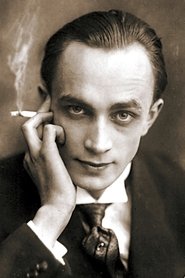
Conrad Veidt
Actor
Born: January 22, 1893 in Berlin, Germany Died: April 3, 1943 Active: 1916-1943 Birth Name: Hans Walter Conrad Veidt
Films
15 films
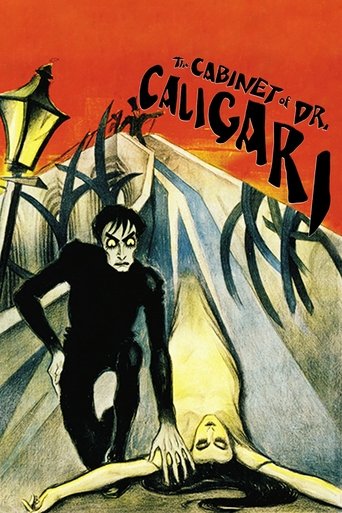
The Cabinet of Dr. Caligari
1920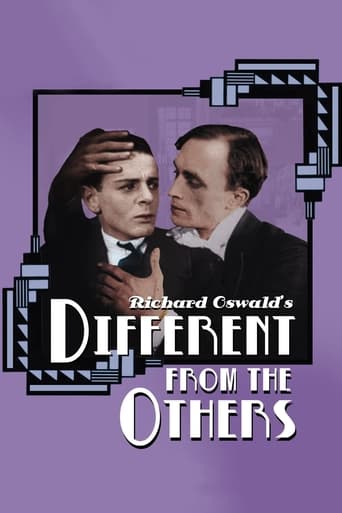
Different from the Others
1919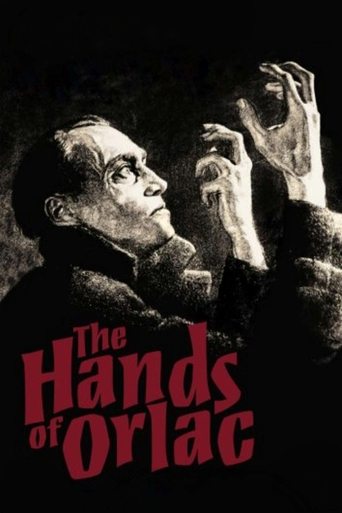
The Hands of Orlac
1924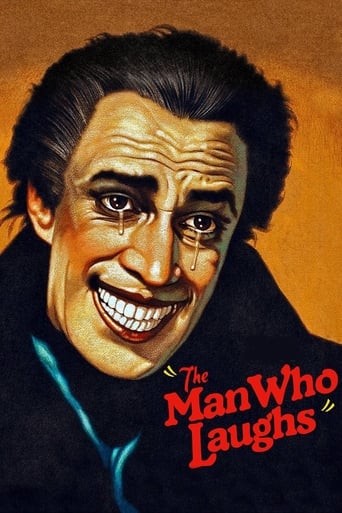
The Man Who Laughs
1928
The Indian Tomb, Part I: The Mission of the Yoghi
1921
Eerie Tales
1919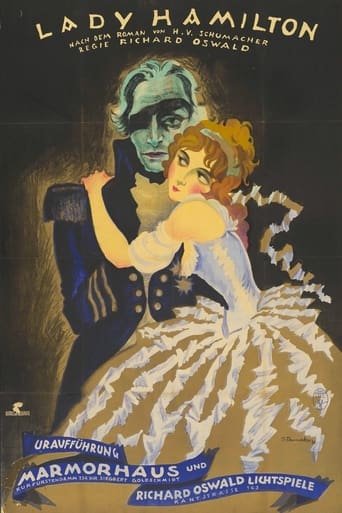
Lady Hamilton
1921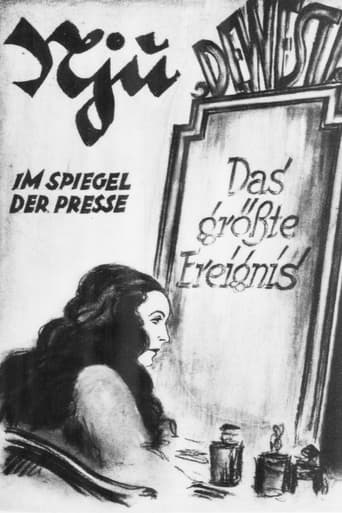
Husbands or Lovers
1924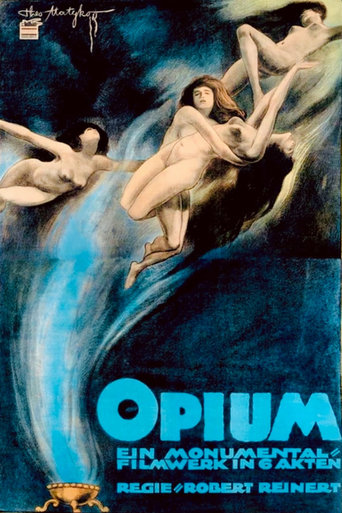
Opium
1919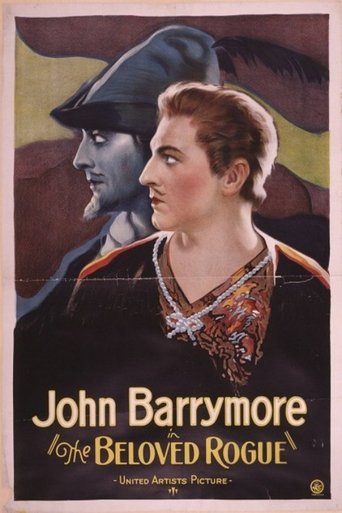
The Beloved Rogue
1927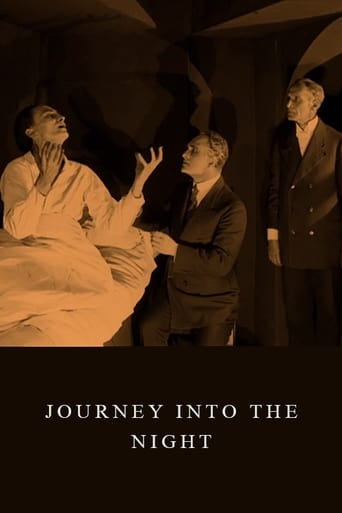
Journey into the Night
1921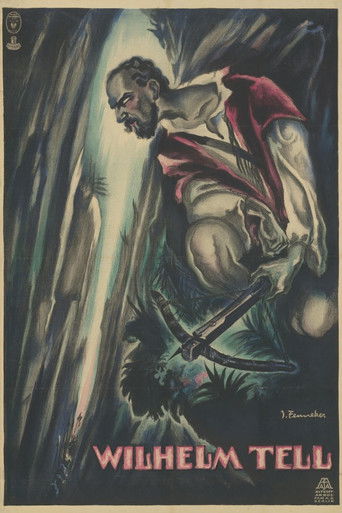
Wilhelm Tell
1923
The Merry-Go-Round
1920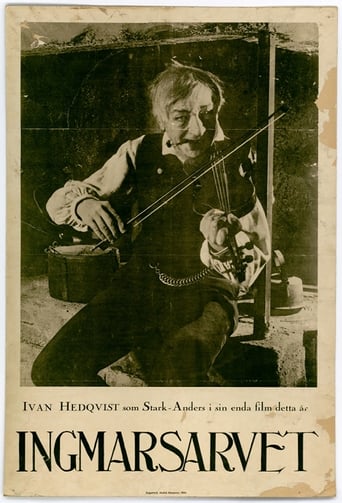
The Ingmar Inheritance
1925About Conrad Veidt
Conrad Veidt (1893–1943) was a German actor whose gaunt intensity defined Weimar-era Expressionist cinema. Born in Berlin, he moved from stage to screen and became internationally known as the sleepwalker Cesare in The Cabinet of Dr. Caligari (1920). He starred in Different from the Others (1919), one of early cinema's sympathetic gay portrayals, and in The Man Who Laughs (1928), where his carved smile became a lasting visual motif. An outspoken anti-Nazi married to a Jewish woman, he left Germany for Britain and Hollywood; his last major role was Major Strasser in Casablanca (1942). He died of a heart attack shortly after filming.
The Craft
On Screen
Veidt excelled at German Expressionist acting: stylized movement, gaunt physical presence, and intense emotional delivery. He specialized in tormented, psychologically complex figures and villains, carrying that intensity from silents into talkies.
Milestones
- Breakthrough role as Cesare in 'The Cabinet of Dr. Caligari' (1920)
- Starred in the first pro-gay film 'Different from the Others' (1919)
- Iconic performance as Gwynplaine in 'The Man Who Laughs' (1928)
- Successful transition from German to Hollywood cinema
- Memorable final role as Major Strasser in 'Casablanca' (1942)
- Became one of the highest-paid actors in Weimar Germany
- Fled Nazi Germany due to his anti-fascist beliefs and Jewish wife
Best Known For
Iconic Roles
Must-See Films
Accolades
Special Recognition
- Star on the Hollywood Walk of Fame (located at 6525 Hollywood Blvd)
- Posthumous recognition as a prominent anti-Nazi figure in cinema
- Cited as influence on generations of character actors and horror film performers
Working Relationships
Worked Often With
Studios
Why They Matter
Impact on Culture
Conrad Veidt's impact on cinema extends far beyond his filmography. As a pioneer of German Expressionist cinema, he helped establish visual and performance techniques that would influence horror and psychological thriller genres for decades. His role in 'Different from the Others' was groundbreaking for its sympathetic portrayal of homosexuality at a time when such themes were taboo. Veidt's distinctive appearance and acting style influenced countless actors who followed, particularly in the horror and villain genres. His character Gwynplaine's fixed smile in 'The Man Who Laughs' reportedly inspired the creation of the Joker in Batman comics. By fleeing Nazi Germany and continuing his career in Hollywood, he became a symbol of artistic resistance to fascism.
Lasting Legacy
Conrad Veidt's legacy endures through his iconic performances that continue to captivate audiences and influence filmmakers. He is remembered for his screen work. His work in German Expressionist cinema represents the pinnacle of that artistic movement, while his Hollywood career demonstrated his versatility and adaptability. Veidt's moral courage in opposing the Nazi regime has made him a figure of admiration beyond his cinematic achievements. His performances, particularly as tormented souls and memorable villains, continue to be studied by film scholars and actors. The lasting power of his most famous roles, especially in 'The Cabinet of Dr. Caligari' and 'Casablanca', ensures his place in cinema history.
Who They Inspired
Veidt's influence on cinema is profound and multifaceted. His expressionistic acting style influenced generations of horror actors, from Boris Karloff to Christopher Lee. The visual impact of his performances, particularly his ability to convey psychological torment through physical expression, became a template for character actors in psychological thrillers. Directors studying German Expressionism often cite his work as exemplary. His career path from European art cinema to Hollywood mainstream showed other actors the possibility of international success. The Joker character in Batman comics was reportedly inspired by his performance in 'The Man Who Laughs', demonstrating his cultural impact beyond cinema. His principled stand against Nazism also influenced other artists to use their platforms for political resistance.
Off Screen
Conrad Veidt was married three times and had one daughter. His personal life was marked by his courage in opposing the Nazi regime and his dedication to his Jewish wife, whom he helped escape Germany. Despite his intimidating screen persona, colleagues described him as gentle, kind, and highly professional. He was known for his intellectual pursuits and spoke multiple languages fluently. Veidt's decision to leave his successful career in Germany rather than work with the Nazis demonstrated his moral convictions, and he donated part of his Hollywood earnings to the British war effort.
Education
Studied acting under Max Reinhardt at the Deutsches Theater in Berlin
Family
- Auguste 'Gussy' Holl (1914-1921)
- Felicicitas Radke (1923-1932)
- Lilli Ilse 'Lilli' Damita (1933-1935)
- Käthe 'Käthe' von Nagy (1939-1943)
Did You Know?
- He was one of the first actors to play a sympathetic homosexual character in 'Different from the Others' (1919)
- His character's smile in 'The Man Who Laughs' inspired the creation of the Joker in Batman comics
- He was a committed anti-Nazi and used his own money to help people escape from Germany
- Despite playing villains, he was known as one of the kindest people in Hollywood
- He spoke four languages fluently: German, English, French, and Hungarian
- He was one of the highest-paid actors in Germany during the 1920s
- His final film 'Casablanca' was released six months after his death
- He was 6'3" tall, unusually tall for actors of his era
- He legally adopted his wife's daughter from a previous marriage
- He donated part of his salary from 'Casablanca' to the British war effort
- His death certificate listed his occupation as 'Actor' and 'Anti-Nazi'
In Their Own Words
I have been a soldier and I know what horror is. I have seen too much horror. I don't want to see it any more.
I am not a political man. I am an artist. But I cannot work for these people.
In America, they don't care if you're a good actor. They care if you're a good character.
The camera is the most honest instrument in the world. It cannot lie.
I would rather be a poor actor in a free country than a rich actor in a dictatorship.
Frequently Asked Questions
Who was Conrad Veidt?
He was renowned for his work in German Expressionist cinema and later as a character actor in Hollywood, famous for his intense performances and striking appearance.
What films is Conrad Veidt best known for?
Titles linked here include The Cabinet of Dr. Caligari (1920), The Man Who Laughs (1928).
When was Conrad Veidt born and when did he die?
Born January 22, 1893; died April 3, 1943.
What awards did Conrad Veidt win?
Despite his significant contributions to cinema, Conrad Veidt did not receive major formal awards during his lifetime. However, he was posthumously honored with a star on the Hollywood Walk of Fame and is widely recognized as a figure in film history, particularly for his work in German Expressionist cinema.
What was Conrad Veidt's acting style?
German Expressionist acting — stylized movement, intense delivery, and physical transformation suited to tormented or villainous roles.
Why did Conrad Veidt leave Germany?
Veidt left Germany in 1933 when the Nazis came to power. He was fiercely anti-Nazi, and his third wife was Jewish, putting them both in danger. Rather than work for the regime, he chose to abandon his successful career and flee, eventually settling in Hollywood where he continued his acting career.
How did Conrad Veidt influence popular culture?
Veidt's influence extends beyond cinema to popular culture, most notably through his character Gwynplaine in 'The Man Who Laughs,' which reportedly inspired the creation of the Joker in Batman comics. His expressionistic acting style influenced generations of horror actors and psychological thriller performers.