Eerie Tales
"Death and a demon act out gothic tales by candlelight."
Keys: Space play/pause · ←/→ 10s · F fullscreen · M mute · </> speed
About this film
Gothic anthology hosts, and the ghost of a prostitute read gothic short stories and act them out.
Cast & crew
More films like this
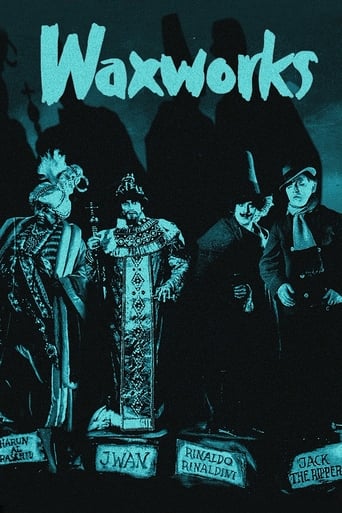
More Fantasy films
View all →
More from Richard Oswald
View all →
More about this film
About the production
Release dateNovember 28, 1919 (Germany)
Box officeBox office records from 1919 are not preserved
ProductionRichard-Oswald-Produktion
Filmed inBerlin, Germany
Filmed during the turbulent Weimar Republic period, the production faced numerous challenges including post-war shortages and political instability. The film was made in the expressionist style that would later define German cinema of the 1920s. Director Richard Oswald was known for pushing boundaries with controversial subject matter, and this film was no exception with its supernatural themes and inclusion of a prostitute character.
Themes
Death and mortalityThe nature of evilSupernatural interventionStorytelling as a supernatural actThe boundaries between reality and fiction
Themes & topics
anthologysupernaturalDeathDevilprostituteghost storiesbookshopframing devicegothic horrorexpressionismsilent filmGerman cinemahorrormysteryfantasy
Historical background
By 1919, distribution networks were widening, and Eerie Tales reached viewers through the same short-program bills that mixed comedy, news, and spectacle.
Why this film matters
Archivists and festival programmers revisit Eerie Tales (1919) because it documents performance styles and craft choices that later mainstream releases refined or replaced.
Making of
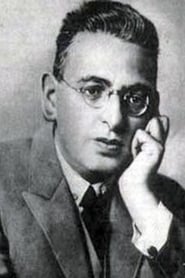
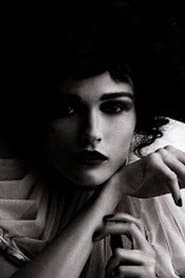
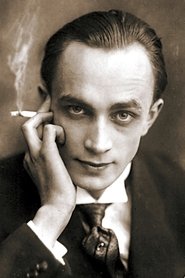
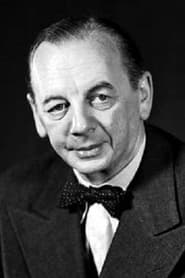
The production of 'Eerie Tales' took place during a transformative period in German cinema, just as the expressionist movement was gaining momentum. Director Richard Oswald, already an established filmmaker by 1919, assembled a remarkable cast that included some of the most compelling actors of the era. Conrad Veidt, who would become an international star, demonstrated his versatility by playing different characters across the anthology segments. Anita Berber, a controversial figure in Berlin's nightlife, brought her notorious persona to the role of the prostitute ghost. The film's innovative structure, with Death and the Devil as storytellers, required sophisticated special effects for the period, including early use of double exposure and matte techniques. The production team worked in the challenging post-WWI environment of Berlin, where resources were scarce but artistic innovation was flourishing. The film's visual style incorporated elements of the emerging German Expressionist movement, particularly in the use of dramatic lighting and set design to create an atmosphere of dread and supernatural unease.
What critics said
Audience surveys from 1919 are scarce; reception for Eerie Tales must be inferred from reissue patterns and how often programmers still book it.
Did you know?
- This is considered one of the first true horror anthology films in cinema history, predating more famous examples by decades.
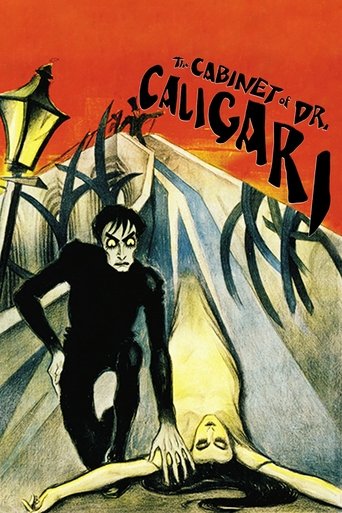
- Conrad Veidt, who later became famous for his role in 'The Cabinet of Dr. Caligari' (1920) and as Major Strasser in 'Casablanca' (1942), plays multiple roles in the different segments.
- Anita Berber, who plays the prostitute ghost, was a notorious figure in Weimar Berlin's cabaret scene, known for her scandalous performances and lifestyle.
- The film was released during the Spanish Flu pandemic, making its themes of death particularly resonant with contemporary audiences.
- The original German title 'Unheimliche Geschichten' translates literally to 'Uncanny Stories,' a term later used by Freud in his famous essay 'The Uncanny' (1919).
- The film's anthology structure was innovative for its time and would influence countless horror films in the following century.
- Richard Oswald was a Jewish filmmaker who would later flee Germany when the Nazis came to power.
- The film features an early example of a framing device in horror cinema, where supernatural beings act as storytellers.
- One of the segments is based on Edgar Allan Poe's 'The Black Cat,' making it one of the earliest Poe adaptations on film.
- The film was considered quite shocking for its time due to its supernatural themes and the inclusion of a prostitute character, even though she appears as a ghost.
Visual style
The cinematography of 'Eerie Tales' reflects the emerging German Expressionist style, characterized by dramatic lighting, stark contrasts, and innovative camera angles. The film employs chiaroscuro lighting techniques to create an atmosphere of dread and supernatural unease, using shadows to suggest unseen horrors. Camera work includes unusual low-angle shots and Dutch angles to disorient viewers and enhance the sense of the uncanny. The different segments utilize distinct visual styles to create variety while maintaining a cohesive overall aesthetic. Special effects techniques of the era, including double exposure and matte photography, were employed to create supernatural apparitions and ghostly effects. The film's visual design incorporates Gothic elements that would become hallmarks of the horror genre. The cinematography effectively supports the anthology structure by giving each story its own visual identity while maintaining thematic connections through consistent use of expressionist techniques.
Innovations
'Eerie Tales' demonstrated several technical innovations for its time, particularly in the realm of special effects and visual storytelling. The film's anthology structure required sophisticated editing techniques to seamlessly transition between the framing device and individual stories. The supernatural elements were realized using pioneering special effects techniques including double exposure, matte photography, and in-camera effects to create ghostly apparitions and supernatural phenomena. The film's use of lighting to create mood and atmosphere was advanced for 1919, contributing to the development of the German Expressionist visual style. The production also experimented with set design and makeup effects to create memorable supernatural characters. The technical achievements of the film were particularly impressive given the resource constraints of post-WWI Germany, demonstrating the ingenuity of German filmmakers during this period.
Music
As a silent film, 'Eerie Tales' would have been accompanied by live musical performance during its original theatrical run. The typical German cinema of 1919 would have featured either a full orchestra in larger theaters or a pianist or organist in smaller venues. The score would have been compiled from existing classical pieces and popular music of the era, selected to match the mood of each segment. For the supernatural elements, music by composers like Wagner or Liszt might have been used to enhance the dramatic effect. Modern restorations and screenings of the film have featured newly composed scores by contemporary silent film composers, who attempt to recreate the emotional impact of the original musical accompaniment while using modern musical sensibilities. The anthology format of the film would have allowed for varied musical themes for each story, creating a rich and diverse sonic landscape.
Famous quotes
Death: 'Every story has its end, as every life has its death.'
The Devil: 'The best stories are those that make mortals question their own reality.'
Prostitute Ghost: 'In death, I have found the stories I could never tell in life.'
Narrator: 'When the clock strikes midnight and the shop is empty, the real customers arrive.'
Memorable scenes
- The opening sequence where Death, the Devil, and the prostitute ghost materialize in the darkened bookshop, establishing the supernatural framing device with eerie visual effects.
- The reenactment of 'The Black Cat' segment, featuring dramatic lighting and psychological horror elements that were groundbreaking for 1919.
- The climactic scene where all three supernatural beings acknowledge their role as eternal storytellers of human fears and desires.
- The transition sequences between stories, where the characters shift between their supernatural forms and the roles they play in the tales.
- The final haunting image of the abandoned bookshop at dawn, suggesting the endless cycle of stories and deaths.
What audiences thought
Upon its release in 1919, 'Eerie Tales' found an appreciative audience among German moviegoers who were drawn to its supernatural themes and innovative storytelling approach. The film's timing during the post-war period and Spanish Flu pandemic resonated with audiences grappling with mortality and uncertainty. Contemporary audience reports suggest that viewers were particularly impressed by the film's special effects and the atmospheric quality of the different segments. The presence of popular actors like Conrad Veidt and the notorious Anita Berber likely contributed to its commercial success. Modern audiences who have had the opportunity to see restored versions of the film have praised its historical significance and its effectiveness as a horror film despite its age. The film has developed a cult following among silent film enthusiasts and horror historians, who appreciate its place in the evolution of horror cinema.
Film connections
Influenced by
- Edgar Allan Poe's Gothic tales
- Robert Louis Stevenson's 'The Suicide Club'
- German Romantic literature
- Gothic literary tradition
- Expressionist art movement
- Freud's theories of the uncanny
- German folklore and superstition
This film influenced
- The Cabinet of Dr. Caligari (1920)
- Nosferatu (1922)
- Waxworks (1924)
- Dead of Night (1945)
- Black Sabbath (1963)
- Tales from the Crypt (1972)
- Creepshow (1982)
- Trick 'r Treat (2007)
Film restoration
The film is partially preserved with some segments missing or damaged. Various archives hold different versions of the film, with the most complete version residing at the Bundesarchiv-Filmarchiv in Berlin. Restoration efforts have been ongoing, with some segments reconstructed from surviving footage and still photographs. The film exists in the public domain, and several versions with different musical scores are available for viewing.
Where to watch
- Available on various streaming platforms specializing in silent films
- YouTube (public domain versions)
- Archive.org
- Museum of Modern Art film collection
- Film archives and cinematheques
- Special edition DVD releases from silent film distributors
- Tubi streaming service
- Kanopy (through participating libraries and universities)