Films
4 films


About Hugo Döblin
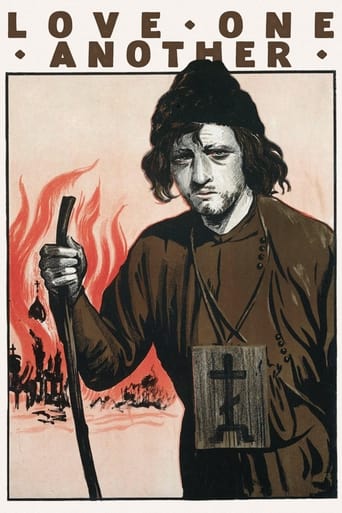
German stage and film actor associated with the expressive, psychologically charged cinema of the Weimar era. He worked during the late silent period and is documented in films such as Eerie Tales (1919), From Morning to Midnight (1920), and Love One Another (1922), all of which place him within the experimental and literary wing of post-World War I German filmmaking. Because surviving reference material on him is limited, much of his broader life outside these screen credits is not well documented in widely available sources. What is clear is that he belonged to the generation of character actors who helped define the atmosphere of early German cinema through supporting roles rather than headline-star status. His work in these films suggests he was active in productions that favored stylized performance, theatrical intensity, and haunting visual composition. Döblin’s presence in important early modernist titles gives him a small but meaningful place in silent-film history. He appears to have left the screen by the early 1920s, and later biographical details are sparse or unavailable in standard film references.
The Craft
On Screen
Based on the films in which he is known to have appeared, Hugo Döblin likely worked in the restrained yet highly expressive silent-film style typical of German screen acting in the immediate postwar years. Performers in this milieu often combined theatrical clarity with precise gesture, facial emphasis, and a strong sense of mood to communicate character without dialogue. His roles were likely shaped by the atmospheric demands of Expressionist and literary cinema, where emotional intensity and symbolic staging were as important as realism.
Milestones
- Appeared in Eerie Tales (1919), a notable early German anthology-style horror film associated with the Expressionist movement.
- Acted in From Morning to Midnight (1920), an adaptation of Georg Kaiser’s important expressionist stage work.
- Worked in Love One Another (1922), extending his screen career into the early Weimar period.
- Participated in silent-era German cinema at a time when film acting was evolving toward heightened visual and emotional expression.
- Contributed to productions that are now of historical interest for their connection to literary adaptation and Expressionist aesthetics.
Best Known For
Iconic Roles
Must-See Films
Why They Matter
Impact on Culture
Hugo Döblin’s cultural impact lies less in celebrity than in his participation in a formative moment of German silent cinema. By appearing in films linked to Expressionism and literary adaptation, he became part of the creative ecosystem that helped shape one of world cinema’s most influential national traditions. Even when individual performers from this era are not widely documented, their work contributed to the distinctive ensemble texture that gave these films their emotional and visual force. For contemporary film historians, Döblin’s value is in his association with significant titles that remain central to the study of silent-era aesthetics, especially the shift toward stylized psychological drama in postwar Germany.
Lasting Legacy
Döblin’s legacy is tied to the historical importance of the films in which he appeared rather than to a large surviving body of work or major star persona. He represents the many skilled supporting actors whose performances helped build the atmosphere, tone, and dramatic credibility of early cinema. His film credits place him within the Weimar silent tradition, a period that influenced horror, art cinema, and visual storytelling around the world. Because his biography is obscure, he is best remembered by researchers and enthusiasts interested in reconstructing the personnel of early German film. His surviving screen record ensures that his name remains part of silent-cinema archives and databases devoted to preserving lesser-known contributors.
Who They Inspired
Hugo Döblin’s direct influence is difficult to trace because of the limited surviving documentation about his career and the likely modest scale of his public fame. However, by participating in expressionist and literary films, he contributed to performance traditions that influenced later generations of screen actors and directors through their emphasis on gesture, mood, and psychological symbolism. Supporting actors like Döblin helped define the ensemble standard for Weimar cinema, which in turn affected how character roles were staged in horror and art films internationally. His presence is part of the wider historical chain through which silent-era German acting informed later cinematic language.
Off Screen
Publicly available information about Hugo Döblin’s personal life appears to be very limited. Standard film references do not readily preserve details about his family background, marriages, children, or private circumstances. He is primarily remembered through his screen work rather than through well-documented biographical records. As with many silent-era German character actors, his off-screen life has largely receded from accessible historical documentation.
Did You Know?
- He is associated with some of the most historically important years of German silent cinema, 1919 to 1922.
- His known filmography places him in the same broad artistic era as German Expressionism.
- Eerie Tales (1919) is among the early German films that helped shape the horror genre’s visual vocabulary.
- From Morning to Midnight (1920) is an adaptation of a celebrated expressionist play, linking Döblin to modernist theater on screen.
- He appears to have been a character actor rather than a major star, which is common for many surviving silent-era credits.
- Widely accessible biographical information about him is scarce, making him a relatively obscure but historically interesting figure.
- His work survives primarily through film history references rather than through extensive biographical publicity.
Frequently Asked Questions
Who was Hugo Döblin?
German with credits in this catalog. He is remembered for appearing in historically significant German films such as Eerie Tales, From Morning to Midnight, and Love One Another.
What films is Hugo Döblin best known for?
Titles linked here include Eerie Tales (1919), From Morning to Midnight (1920).
When was Hugo Döblin born and when did he die?
His birth and death dates are not readily available in standard film references consulted for his silent-era screen record. Like many lesser-documented actors of the period, his personal vital statistics remain uncertain in accessible sources.
What awards did Hugo Döblin win?
No verified awards or nominations are known for Hugo Döblin. This is not unusual for silent-era supporting actors, especially those whose careers were brief or poorly documented in later archival sources.
What was Hugo Döblin's acting style?
He likely worked in the expressive silent-film style typical of German cinema in the post-World War I period. That style relied on controlled gesture, strong facial expression, and atmospheric presence to convey emotion and character without spoken dialogue.
What is Hugo Döblin's legacy in film history?
His legacy rests in his contribution to important early German films rather than in star status. He is part of the supporting cast of performers whose work helped define the visual and emotional character of Weimar silent cinema.