

From Morning to Midnight
"cashier in a bank in a small German town is"
Keys: Space play/pause · ←/→ 10s · F fullscreen · M mute · </> speed
About this film
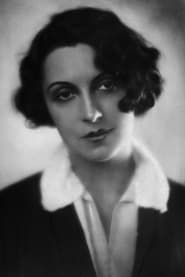
A cashier in a bank in a small German town is alerted to the power of money by the visit of a rich Italian lady. He embezzles 60,000 Marks and leaves for the capital city, where he attempts to find satisfaction in politics, sport, love and religion.
Cast & crew
More films like this
More Crime films
View all →

More about this film
About the production
Release dateDecember 1920
Box officeUnknown - box office records from this period are incomplete
ProductionDecla-Film-Gesellschaft Holzer & Co.
Filmed inBerlin, Germany, Studio locations in Berlin
The picture was based on the expressionist play 'Von morgens bis mitternachts' by Georg Kaiser, written in 1912. Director Karlheinz Martin had previously directed the stage version and brought his theatrical expressionist sensibilities to the screen adaptation. The production utilized stark, angular sets and dramatic lighting to create the expressionist visual style that was characteristic of German cinema of this period. The picture was shot during the difficult economic conditions of post-WWI Germany, which influenced both its themes and production constraints.
Themes
Alienation and isolation in modern urban societyThe dehumanizing effects of materialism and capitalismThe search for meaning and spiritual fulfillmentThe corruption and emptiness of bourgeois valuesPsychological fragmentation and identity crisis
Themes & topics
bank cashierembezzlementexistential crisisurban alienationexpressionist cinemapsychological thrillersocial critiquemoral decaysearch for meaningmaterialismspiritual emptinessGerman Expressionismsilent filmWeimar Republicbank robberyidentity crisisurban landscapesocial disillusionmentpsychological dramaavant-garde cinema
Historical background
Decla-Film-Gesellschaft Holzer & Co.'s 1920 release of From Morning to Midnight fit contemporary Germany programs that mixed fiction, news, and novelty subjects for repeat weekly attendance.
Why this film matters
Programmers and historians revisit From Morning to Midnight (1920) because its story—a cashier in a bank in a small german town is alerted to the power of money by the visit of a rich italian lady—illustrates popular narrative habits and production norms of the period.
Making of
The production of 'From Morning to Midnight' took place during a pivotal moment in German cinema history, when the industry was experimenting with new visual languages to express the psychological trauma and social upheaval of post-WWI Germany. Director Karlheinz Martin, coming from a background in avant-garde theater, collaborated with set designers Robert Neppach and Erich Kettelhut to create the picture's distinctive expressionist visual style. They used distorted perspectives, sharp angles, and dramatic shadows to externalize the protagonist's internal psychological state. The filming techniques were innovative for the time, including unusual camera angles and rapid editing to convey the cashier's frantic state of mind. Ernst Deutsch's performance was particularly intense, drawing on his expressionist theater training to create a character whose emotional journey is conveyed through exaggerated gestures and facial expressions. The production faced challenges due to the economic conditions in Germany during 1920, including shortages of film stock and resources, which may have contributed to the picture's relatively brief runtime compared to other features of the period.
What critics said
English-language trade reviews of From Morning to Midnight are limited for 1920. Where notices survive, they stress pacing and photographic clarity; later criticism values the title as archival evidence of studio style.
Did you know?
- the picture is considered one of the earliest examples of German Expressionist cinema, predating more famous works like 'The Cabinet of Dr. Caligari' (1920) and 'Nosferatu' (1922)
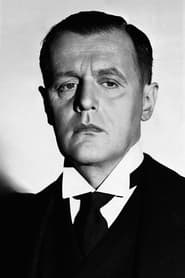
- Ernst Deutsch, who plays the cashier, was one of Germany's most prominent stage actors and brought his theatrical intensity to the silent screen performance
- The original play by Georg Kaiser was controversial for its critique of bourgeois values and materialism
- Director Karlheinz Martin was primarily known as a theater director before making, one of his few forays into cinema
- the picture's title directly translates to 'From Morning to Midnight' in English, emphasizing the single-day structure of the narrative
- The bicycle racing sequence was filmed using innovative camera techniques for the time, including tracking shots to create a sense of speed and movement
- the picture was considered lost for many years before a copy was discovered and restored in the 1970s
- The religious meeting scene features hundreds of extras and was among the costliest sequences to produce
- the picture's expressionist visual style influenced later film noir and psychological thrillers
- Georg Kaiser, the playwright, was initially skeptical of the picture adaptation but later praised Martin's visual interpretation
Visual style
The cinematography of 'From Morning to Midnight' is characterized by its bold expressionist visual style, which uses camera work and lighting to externalize the protagonist's psychological state. Cinematographer Willy Hameister employed unusual camera angles, including Dutch tilts and extreme low and high angles, to create a sense of disorientation and psychological unease. The lighting is dramatic and high-contrast, with deep shadows and stark highlights that create a sense of moral ambiguity and emotional intensity. the picture features innovative tracking shots, particularly in the bicycle racing sequence, which convey a sense of frantic movement and modern velocity. The camera work often emphasizes geometric patterns and distorted perspectives, reflecting the expressionist influence on the visual design. Close-ups are used strategically to highlight emotional moments and psychological states, particularly in Ernst Deutsch's performance. The cinematography works in close collaboration with the expressionist set design to create a unified visual language that externalizes the picture's themes of alienation and psychological fragmentation. The visual style was innovative for its time and influenced subsequent developments in film noir and psychological thriller cinematography.
Innovations
the picture achieved several technical innovations that contributed to the development of cinematic language. The production pioneered advanced camera movement techniques, including tracking shots that followed the protagonist's frantic movement through urban spaces, creating a sense of velocity and disorientation. the picture's expressionist set design, created by Robert Neppach and Erich Kettelhut, featured innovative construction techniques that allowed for distorted perspectives and impossible geometries that could only exist on film. The lighting design employed novel techniques for creating dramatic shadows and highlights that emphasized psychological states rather than merely illuminating the scene. The editing style was unusually rapid for its time, using quick cuts and montage sequences to convey the protagonist's psychological fragmentation and the chaotic nature of modern urban life. the picture also experimented with superimposition and multiple exposure techniques to represent psychological states and dream sequences. These technical achievements were not merely decorative but served to externalize the picture's themes and psychological content, demonstrating how technical innovation could serve artistic expression in cinema.
Music
As a silent film, 'From Morning to Midnight' was originally accompanied by live musical performance in theaters, typically consisting of a piano or small ensemble. The original musical score is not known to have survived, as was common with silent films where musical accompaniment was often improvised or adapted from existing classical pieces. Modern restorations and screenings of the picture have featured newly composed scores by contemporary musicians specializing in silent film accompaniment. These modern scores typically employ a mix of classical and contemporary elements to match the picture's expressionist visual style and emotional intensity. The music often features dissonant harmonies and dramatic dynamics to reflect the psychological tension and emotional turmoil of the protagonist. Some modern screenings have used electronic or experimental music to emphasize the picture's avant-garde qualities and its influence on later psychological thrillers. The absence of dialogue in the picture places additional importance on the musical accompaniment to convey emotional states and narrative developments. The relationship between the visual expressionism and musical accompaniment is crucial to the picture's overall impact, with the music serving to bridge the gap between the abstract visual style and the emotional narrative.
Famous quotes
Money is the measure of all things, and I have measured myself and found wanting.
In the city, every face is a mask, and every mask hides another face.
From morning to midnight, a lifetime can be lived and lost.
The more I seek, the less I find. The more I acquire, the emptier I become.
In the race for happiness, the finish line keeps moving further away.
God is in the details, but the devil is in the system.
Freedom is the heaviest burden of all.
In the crowd, I am most alone.
The truth is a currency that no one accepts.
Between morning and midnight lies the abyss of choice.
Memorable scenes
- The opening bank scene where the cashier first encounters the wealthy Italian lady, shot with dramatic lighting and angular compositions that establish the expressionist visual style
- The embezzlement sequence, using rapid editing and distorted camera angles to convey the cashier's psychological turmoil and moral conflict
- The bicycle racing scene, filmed with innovative tracking shots that create a sense of frantic movement and urban velocity
- The political rally sequence, with its geometric staging and mass choreography of extras to convey the dehumanizing nature of political movements
- The religious meeting scene, featuring hundreds of extras in a dramatically lit space that becomes increasingly chaotic and emotionally charged
- The final confrontation scene, where the cashier faces the consequences of his actions in a visually striking setting that embodies his psychological breakdown
- The midnight sequence, where time and space become distorted to represent the protagonist's complete psychological fragmentation
What audiences thought
Contemporary audience reception to 'From Morning to Midnight' was generally positive among urban, educated German viewers who were familiar with expressionist art and theater. the picture's themes of alienation and disillusionment resonated strongly with post-war German audiences experiencing social upheaval and economic uncertainty. However, the picture's abstract visual style and psychological intensity may have been challenging for more conventional moviegoers accustomed to more straightforward narratives. the picture found particular appreciation in Berlin's artistic circles and among intellectuals who recognized its artistic ambitions. Modern audiences, particularly those interested in film history and expressionist art, have shown renewed interest in the work following its restoration. the picture now frequently appears in retrospectives of German cinema and expressionist art, where it is appreciated for its historical significance and artistic innovation. Some contemporary viewers find the picture's pacing and visual style challenging, but many are drawn to its psychological intensity and thematic depth. the picture has developed a cult following among cinema enthusiasts and scholars who value its place in the development of film as an art form.
Film connections
Influenced by
- Georg Kaiser's expressionist play 'Von morgens bis mitternachts' (1912)
- German Expressionist painting and visual arts
- Avant-garde theater practices of the early 20th century
- The psychological theories of Sigmund Freud and Carl Jung
- Philosophical works on existentialism and alienation
- German Romantic literature's focus on the individual versus society
- Post-WWI German cultural disillusionment
- Theatrical expressionist performance techniques
- Bauhaus design principles and geometric abstraction
- Contemporary German literature's critique of bourgeois values
This film influenced
- The Cabinet of Dr. Caligari (1920)
- Nosferatu (1922)
- Metropolis (1927)
- M (1931)
- The Third Man (1949)
- Touch of Evil (1958)
- Blade Runner (1982)
- Taxi Driver (1976)
- American Psycho (2000)
- Fight Club (1999)
- The Matrix (1999)
- Inception (2010)
- Black Swan (2010)
- Birdman (2014)
- Joker (2019)
Film restoration
the picture was considered lost for many decades until a copy was discovered in the 1970s. The discovered version was incomplete but substantial enough for restoration. the picture has since been restored by film archives, particularly the Munich Film Museum, and is now preserved in several film archives worldwide. The restoration process involved piecing together elements from different sources and reconstructing missing scenes where possible. The restored version maintains the original expressionist visual style and runtime as closely as possible. the picture is now considered preserved and available for scholarly study and public exhibition, though some original elements may remain lost. The preservation status represents a significant success in film restoration, as many German expressionist films from this period remain lost or exist only in fragmentary form.
Where to watch
- Available on DVD from specialty distributors like Kino Lorber and Flicker Alley
- Streaming on The Criterion Channel (periodically available in their German Expressionist collections)
- Available for streaming on MUBI (periodically featured in German cinema collections)
- Can be accessed through university film libraries and academic streaming services
- Available for purchase or rental on Amazon Prime Video and Apple TV
- Screened occasionally at film museums and cinematheques, particularly during German Expressionist retrospectives
- Available through the picture Foundation's streaming platform for educational institutions
- Can be found on some public domain streaming sites, though quality may vary significantly