Erna Morena
Actor
Born: June 24, 1885 in Wiesbaden, German Empire Died: July 20, 1962 Active: 1913-1935 Birth Name: Ernestine Mary Fuchs
Films
6 films

About Erna Morena
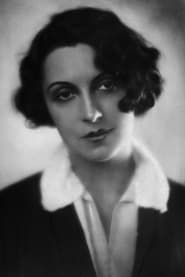
Erna Morena, born Ernestine Mary Fuchs, was a prominent German actress who rose to fame during the golden age of German silent cinema. She began her career on the stage before transitioning to films in 1913, quickly establishing herself as one of Germany's leading actresses. Morena's breakthrough came with her compelling performances in expressionist films of the early 1920s, where she often portrayed complex, psychologically rich characters. She worked with some of the most significant directors of the era, including Fritz Lang and Joe May, becoming a fixture in German cinema's most innovative period. Her performance in 'From Morning to Midnight' (1920) showcased her ability to embody the modern, alienated woman that was central to Weimar-era storytelling. Despite her success in the silent era, Morena's career declined with the advent of sound films, though she continued to appear in supporting roles through the 1930s. Her later years were marked by retirement from acting and a relatively private life away from the public eye, leaving behind a legacy as one of German cinema's most distinctive silent-era performers.
The Craft
On Screen
Erna Morena was known for her intense, psychologically nuanced performances that perfectly suited the expressionist style of German silent cinema. Her acting emphasized emotional depth and interior complexity, using subtle facial expressions and body language to convey the inner turmoil of her characters. She had a particular talent for portraying modern, independent women struggling against societal constraints, making her an ideal interpreter of the New Woman archetype prevalent in Weimar culture. Morena's screen presence combined elegance with a certain restless energy, allowing her to embody both the sophisticated society woman and the emotionally vulnerable protagonist with equal conviction.
Milestones
- Stage debut in 1910 leading to film career
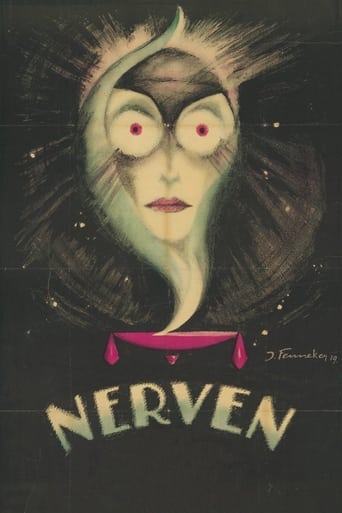
- Breakthrough role in 'Nerves' (1919)
- Starred in Fritz Lang's early works
- Leading role in expressionist masterpiece 'From Morning to Midnight' (1920)
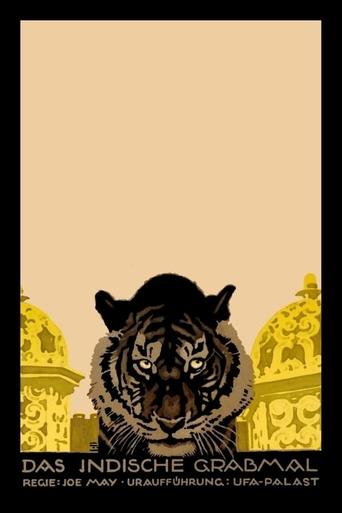
- International recognition in 'The Indian Tomb' (1921)
- Founded her own production company in 1920
- Successful transition to character roles in early sound films
Best Known For
Iconic Roles
Must-See Films
Accolades
Special Recognition
- Star on the Boulevard der Stars in Berlin (posthumous)
- Featured in German Film Museum retrospectives
Working Relationships
Worked Often With
Studios
Why They Matter
Impact on Culture
Erna Morena played a significant role in shaping the image of the modern woman in German silent cinema during the Weimar Republic. Her performances in expressionist films helped define the visual and psychological language of this groundbreaking movement in film history. Morena embodied the 'New Woman' archetype that was central to Weimar cultural discourse, portraying characters who challenged traditional gender roles and represented the social upheaval of post-World War I Germany. Her work in films like 'From Morning to Midnight' captured the alienation and moral complexity of modern urban life, making her an important figure in the artistic exploration of contemporary themes. As one of the few female stars who also established her own production company, she represented a rare example of female agency in the male-dominated film industry of her time.
Lasting Legacy
Erna Morena's legacy endures through her contributions to German expressionist cinema,. Her performances continue to be studied by film scholars as exemplary examples of silent-era acting technique and psychological depth. Though many of her films have been lost over time, those that survive demonstrate her importance in shaping the visual style and thematic concerns of early German cinema. Morena represents the bridge between theatrical acting traditions and the emerging naturalism of film performance, helping to establish a distinctly German approach to screen acting. Her career trajectory also illustrates the challenges faced by silent film stars with the advent of sound, making her story representative of a broader generational shift in cinema history.
Who They Inspired
Erna Morena influenced subsequent generations of German actresses through her work in expressionist cinema. Her ability to convey complex psychological states through subtle physical expression set a standard for film acting that would influence performers throughout the silent era and beyond. The characters she portrayed helped establish archetypes that would recur in German cinema for decades, particularly the modern, independent woman struggling against social conventions. Her success as both actress and producer paved the way for other women seeking greater creative control in the film industry. Contemporary filmmakers studying German expressionism continue to analyze her performances as models of how to achieve emotional depth through visual storytelling.
Off Screen
Erna Morena was married twice during her lifetime, first to director and producer Wilhelm von Kaufmann, with whom she had two children. Her marriage to von Kaufmann was both personal and professional, as he produced many of her films and helped establish her own production company. After their divorce, she married Hungarian actor and director Friedrich Fehér, though this marriage was less enduring. Morena was known to be a private person who maintained a separation between her public persona and private life, especially after retiring from acting. She spent her later years in Munich, largely away from the film industry that had made her famous.
Education
Trained at acting schools in Frankfurt and Munich, initially studied music before turning to theater
Family
- Wilhelm von Kaufmann (1915-1928)
- Friedrich Fehér (1930-1935)
Did You Know?
- She founded her own film production company, Erna Morena Film GmbH, in 1920, making her one of the few women in Germany to achieve this level of industry independence
- Many of her films from the 1910s are now considered lost, making her surviving performances particularly valuable to film historians
- She was originally trained as a singer before turning to acting
- Her stage name 'Morena' was inspired by her dark, exotic appearance which set her apart from typical German actresses of the era
- She was one of the highest-paid actresses in Germany during the early 1920s
- Despite her fame in Germany, she never achieved the same level of international recognition as some of her contemporaries like Marlene Dietrich
- Her role in 'The Indian Tomb' was part of a major international co-production that was
- She retired from acting shortly after the Nazi rise to power, though the exact reasons remain unclear
- Her performance in 'From Morning to Midnight' is often cited as a perfect example of expressionist acting technique
- She was considered for the lead in 'The Blue Angel' (1930) but lost the role to Marlene Dietrich
In Their Own Words
The silent screen demands not just beauty, but a soul that can be seen without words
In expressionism, we do not show reality as it is, but as it feels
The camera is a truth-teller; it reveals what the stage can only suggest
Frequently Asked Questions
Who was Erna Morena?
Prominent German actress who starred in silent films during the 1910s and 1920s, particularly known for her work in German expressionist cinema. She was one of the leading actresses of her era, appearing in groundbreaking films like 'From Morning to Midnight' and 'The Indian Tomb'.
What films is Erna Morena best known for?
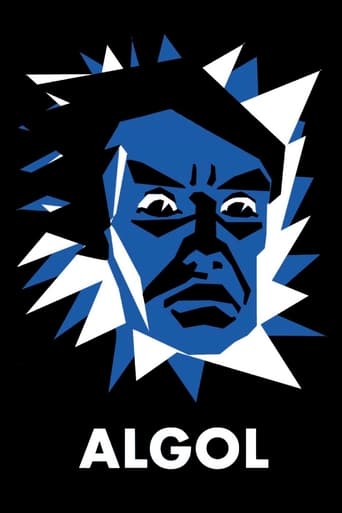
Titles linked here include Nerves (1919), Algol: Tragedy of Power (1920).
When was Erna Morena born and when did she die?
Born June 24, 1885; died July 20, 1962.
What awards did Erna Morena win?
During her active career, Erna Morena did not receive major formal awards, as the film award system was not yet established in her era. However, she has been posthumously recognized with a star on the Boulevard der Stars in Berlin and is featured in German film museum retrospectives.
What was Erna Morena's acting style?
Erna Morena was known for her intense, psychologically nuanced acting style that perfectly suited German expressionist cinema. She used subtle facial expressions and body language to convey complex emotions, specializing in portraying modern, independent women struggling against societal constraints.
Did Erna Morena work in sound films?
Yes, Erna Morena did transition to sound films in the early 1930s, though her career had diminished significantly by this time. She appeared in several supporting roles in early German talkies before retiring from acting in 1935.
Was Erna Morena married?
Yes, Erna Morena was married twice. Her first marriage was to producer Wilhelm von Kaufmann from 1915 to 1928, with whom she had two children. Her second marriage was to actor and director Friedrich Fehér from 1930 to 1935.