
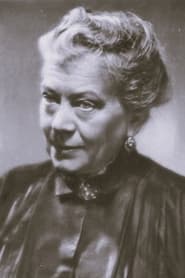
Frida Richard
Actor
Born: November 1, 1873 in Vienna, Austria-Hungary (now Austria) Died: September 12, 1946 Active: 1913-1933 Birth Name: Friederike Raithel
Films
6 films

About Frida Richard
Frida Richard, born Friederike Raithel, was an Austrian actress who became a prominent figure in German silent cinema during the 1920s. She began her career on the theatrical stage in Vienna before transitioning to film, where she quickly established herself as a versatile character actress capable of portraying both maternal figures and complex dramatic roles. Richard worked with many of the most celebrated directors of the German Expressionist movement, including F.W. Murnau, appearing in landmark films like 'Faust' (1926) and 'From Morning to Midnight' (1920). Her performances were characterized by their emotional depth and ability to convey complex feelings through the subtle expressions demanded by silent film acting. Throughout her career, she appeared in over 80 films, becoming recognizable character actresses of Weimar cinema. As the film industry transitioned to sound, she continued acting though her roles became less frequent. Her screen career spanned the early 1910s through the early 1930s, making her a witness to and participant in the golden age of German cinema.
The Craft
On Screen
Richard was known for her naturalistic yet expressive acting style that perfectly suited the demands of silent cinema. She possessed the ability to convey deep emotion through subtle facial expressions and body language, avoiding the exaggerated gestures common in early silent films. Her performances often brought psychological depth to supporting roles, making her characters memorable despite limited screen time. Richard specialized in playing maternal figures, concerned citizens, and working-class women with authenticity and dignity.
Milestones
- Stage debut in Vienna theaters (1890s)
- Film debut in German silent cinema (1913)
- Breakthrough role in 'From Morning to Midnight' (1920)
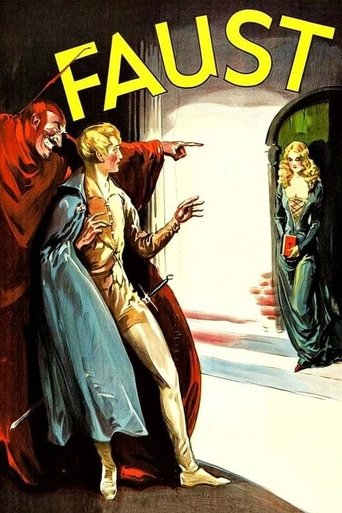
- Collaboration with F.W. Murnau on 'Faust' (1926)
- Transition to sound films in early 1930s
- Over 80 film appearances throughout career
Best Known For
Iconic Roles
Must-See Films
Accolades
Special Recognition
- Recognized as
- Posthumous recognition in German film history retrospectives
Working Relationships
Worked Often With
Studios
Why They Matter
Impact on Culture
Frida Richard contributed significantly to the development of character acting in German silent cinema, helping establish the archetype of the reliable, emotionally authentic supporting actress. Her work in Expressionist films like 'Faust' helped define the visual and emotional language of German cinema's golden age. Richard's ability to bring depth to seemingly minor roles elevated the quality of ensemble casts in German films, setting standards for supporting performances that would influence subsequent generations of actors. Her active years covered the entire evolution of German silent cinema from its early days to its artistic peak, making her a living chronicle of this important film movement.
Lasting Legacy
Frida Richard's legacy endures through her extensive filmography, which provides valuable documentation of German silent cinema's artistic achievements. She represents the countless character actors who formed the backbone of classic cinema, providing essential support to leading performers while creating memorable performances in their own right. Her naturalistic acting style helped move silent film performance away from theatrical exaggeration toward more subtle, psychologically nuanced expression. Film historians and preservationists continue to study her work as examples of high-quality supporting performances from the German Expressionist era.
Who They Inspired
Richard influenced subsequent generations of German character actors through her demonstration of how supporting roles could be elevated through authentic, emotionally grounded performances. Her work in Expressionist cinema helped establish conventions for character acting in German film that would persist through the sound era. Younger actresses studying silent film performance often look to Richard's work as examples of effective, non-exaggerated emotional expression suitable for the medium. Her ability to create memorable characters with limited screen time set standards for efficiency and impact in supporting roles.
Off Screen
Frida Richard was married to fellow actor Hans Richard, and the couple often appeared together in theatrical productions before focusing on film careers. She maintained a private personal life despite her public career, which was typical for actresses of her era. Richard continued living and working in Berlin through the turbulent political changes of the 1920s and 1930s. She survived World War II but died shortly after in Berlin in 1946, having witnessed the dramatic transformation of German society and cinema throughout her lifetime.
Education
Trained in theatrical acting at Vienna's prestigious acting schools during the 1890s, though specific institutions are not documented in available records
Family
- Hans Richard (married date unknown - his death)
Did You Know?
- Born Friederike Raithel, she adopted the stage name 'Frida Richard' for her film career
- Appeared in over 80 films during her 20-year career
- Was one of the few actresses from the silent era who successfully transitioned to sound films
- Worked with virtually every major German director of the 1920s
- Her husband Hans Richard was also a well-known character actor in German cinema
- Specialized in playing mothers, aunts, and other maternal figures
- Began her career on the Viennese stage before moving to Berlin for film work
- Survived both World Wars and the collapse of the German film industry under Nazi rule
- Her final film appearances were in the early 1930s as sound cinema replaced silent films
- Was particularly praised for her performance in Murnau's 'Faust' as the mother character
In Their Own Words
(No documented quotes from Frida Richard survive, which was common for character actors of the silent era who rarely gave interviews)
Frequently Asked Questions
Who was Frida Richard?
Austrian actress who became a prominent character actress in German silent cinema during the 1920s. Born Friederike Raithel in Vienna in 1873, she appeared in over 80 films and worked with major directors like F.W. Murnau, particularly known for her roles in Expressionist films such as 'Faust' (1926).
What films is Frida Richard best known for?
Titles linked here include Faust (1926), From Morning to Midnight (1920).
When was Frida Richard born and when did she die?
Born November 1, 1873; died September 12, 1946.
What awards did Frida Richard win?
During Frida Richard's active period in the 1920s and early 1930s, formal acting awards for film performances were not yet established in Germany. While she didn't receive contemporary awards, she is now recognized by film historians as.
What was Frida Richard's acting style?
Frida Richard was known for her naturalistic yet expressive acting style that avoided the exaggerated gestures common in early silent films. She specialized in conveying deep emotion through subtle facial expressions and body language, bringing psychological depth to supporting roles. Her performances were characterized by authenticity and emotional realism, particularly in her portrayals of maternal figures and working-class women.