
No Poster
The Jew of Mestri
"Shylock's bargain plays out in a German silent adaptation."
Keys: Space play/pause · ←/→ 10s · F fullscreen · M mute · </> speed
About this film
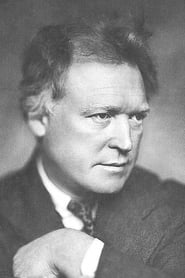
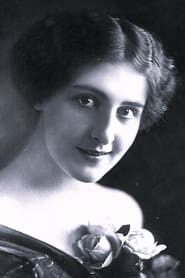
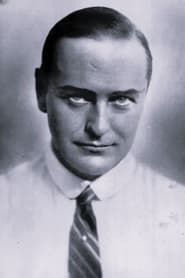
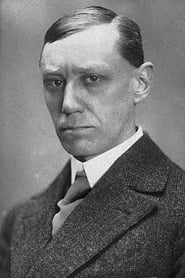
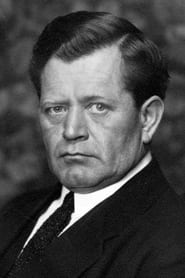
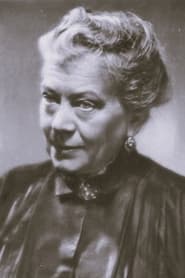
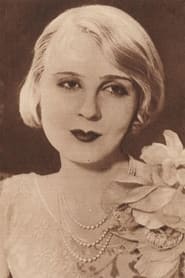
Werner Krauss plays Shylock in Peter Paul Felner's Merchant of Venice adaptation, filmed on location in Venice with Henny Porten and Harry Liedtke.
Cast & crew
More films like this
More Drama films
View all →







More about this film
About the production
Release date1923
BudgetConsidered an expensive German production for 1923, though exact figures are not documented
Box officeBox office records from this period are not available
ProductionFelner & Co. Filmgesellschaft
Filmed inVenice, Italy, Studio locations in Berlin, Germany
The film was notable for its extensive on-location shooting in Venice, which was unusual and expensive for German productions of this era. Director Peter Paul Felner took particular care in recreating the authentic Venetian atmosphere, utilizing the city's canals, Renaissance architecture, and decadent interiors. The production involved complex logistics transporting German film crews and equipment to Italy during the early Weimar Republic period.
Themes
Prejudice and discriminationJustice versus mercyThe corrupting influence of moneyReligious conflictLove and loyalty
Themes & topics
VeniceShakespeare adaptationMoneylendingCourtroom dramaPrejudiceRevengeMerchantPound of fleshLove storyRenaissance
Historical background
By 1923, The Jew of Mestri was shaped by late silent cinema technology, distribution, and audience expectations.
Why this film matters
The Jew of Mestri (1923) helps trace genre evolution, performer careers, and exhibition practices of its period.
Making of
The production of 'Der Kaufmann von Venedig' was an ambitious undertaking for the German film industry in 1923. Director Peter Paul Felner, who had experience with literary adaptations, insisted on authentic Venetian locations rather than studio sets, which required extensive planning and resources. The cast included some of Germany's most prestigious actors of the time - Werner Krauss brought his intense method acting to the role of Shylock, while Henny Porten, then at the height of her fame, portrayed Portia. The presence of Max Schreck, fresh from his iconic role in 'Nosferatu,' added star power. The film was made during a turbulent period in German history, with the country experiencing severe economic crisis and hyperinflation, making such an expensive production particularly remarkable. The filmmakers had to navigate challenging logistics, including transporting heavy film equipment to Venice and working with Italian authorities during the early years of Mussolini's rise to power.
What critics said
Modern notes on The Jew of Mestri emphasize preservation, stylistic choices, and its place within director or studio filmographies.
Did you know?
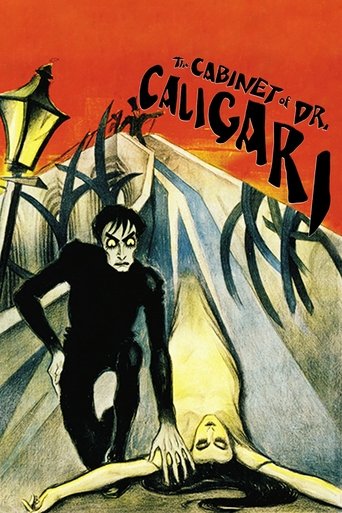
- Werner Krauss, who plays Shylock, was one of Germany's most prominent character actors, famous for his role as Dr. Caligari in 'The Cabinet of Dr. Caligari' (1920)
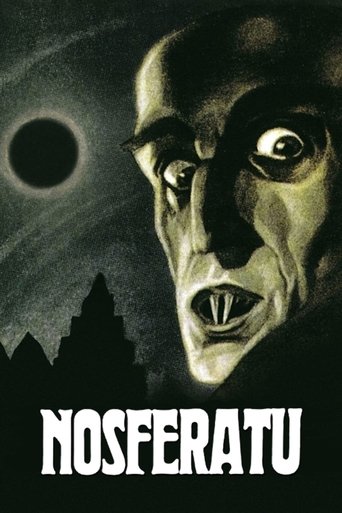
- Max Schreck, best known for playing Count Orlok in 'Nosferatu' (1922), appears in this film in a supporting role
- The film represents one of the earliest German adaptations of Shakespeare's work
- Director Peter Paul Felner not only directed but also wrote and produced the film
- The on-location filming in Venice was considered groundbreaking for German cinema in 1923
- Henny Porten was one of Germany's biggest female stars of the silent era, commanding top billing
- The film's English title 'The Jew of Mestri' appears to be a mistranslation or alternate title, as 'Mestri' is not connected to Venice in the original Shakespeare
- The production coincided with the height of German expressionist cinema, though this film took a more realistic approach
- The film was released during the period of hyperinflation in the Weimar Republic, making its expensive production particularly notable
- Some surviving prints exist in European film archives, though the film is considered partially lost
Visual style
The cinematography, led by German cameramen of the era, made excellent use of Venice's unique visual landscape. The film features sweeping shots of Venetian canals, Gothic architecture, and Renaissance palaces, creating a rich visual tapestry that enhanced the Shakespearean narrative. The camera work shows the influence of German expressionism in its dramatic lighting and composition, though it maintains a more realistic approach than contemporary expressionist films. The use of natural light in outdoor scenes was innovative for the period, creating authentic atmospheric effects. Interior scenes demonstrate sophisticated lighting techniques that highlight the ornate Venetian settings and enhance the dramatic tension of key scenes, particularly the courtroom sequence.
Innovations
The film's primary technical achievement was its extensive on-location filming in Venice, which required innovative solutions for transporting and operating film equipment in the challenging environment of the city's canals and historic buildings. The production demonstrated advances in portable camera equipment and lighting systems that could be used outdoors. The film also showcases sophisticated editing techniques for the period, particularly in the courtroom scenes where cross-cutting between characters creates dramatic tension. The use of actual Venetian locations rather than studio sets represented a significant step forward in the realism of historical films.
Music
As a silent film, 'Der Kaufmann von Venedig' would have been accompanied by live musical performances during its original theatrical run. The score would likely have been compiled from classical pieces appropriate to the Venetian Renaissance setting, possibly including works by Italian composers. Theatres might have used selections from Vivaldi, whose music would have been particularly appropriate for the Venetian setting. The music would have been synchronized with the on-screen action, with different motifs for the main characters and dramatic underscoring for key scenes. Unfortunately, no original cue sheets or specific musical documentation for this film's accompaniment have survived.
Famous quotes
The quality of mercy is not strained" - Portia's famous speech from the courtroom scene
Hath not a Jew eyes?" - Shylock's monologue on human equality
Memorable scenes
- The dramatic courtroom scene where Portia disguises herself as a lawyer and delivers the famous 'quality of mercy' speech, creating tension through close-ups of the characters' faces and cross-cutting between Shylock, Antonio, and the disguised Portia. The scene showcases Werner Krauss's intense performance as Shylock demands his pound of flesh while Portia methodically dismantles his case through legal reasoning.
What audiences thought
Audience reception in Germany was generally positive, particularly among theater-goers who appreciated seeing a Shakespearean adaptation on screen. The star power of Henny Porten and Werner Krauss likely drew significant audiences. However, the film's serious themes and literary origins may have limited its popular appeal compared to more accessible entertainment films of the period. The film's performance at the box office was likely affected by the economic conditions in Germany during 1923, when many citizens had little disposable income due to hyperinflation. International audience reception is difficult to gauge due to limited distribution outside German-speaking countries.
Film connections
Influenced by
- William Shakespeare's 'The Merchant of Venice'
- German expressionist cinema
- Italian historical epics
- Contemporary German literary adaptations
This film influenced
- Later German Shakespeare adaptations
- Historical dramas shot on location
- Films exploring religious prejudice
Film restoration
The film is considered partially lost, with only fragments and incomplete prints surviving in various European film archives. Some sequences exist in reasonably good condition, while others are missing or severely damaged. The Bundesarchiv in Germany and the Cineteca Italiana in Venice hold portions of the film. Restoration efforts have been limited due to the incomplete nature of the surviving material, though what remains provides valuable insight into early German Shakespeare adaptations.
Where to watch
- Due to its partially lost status and preservation in archives, the film is not widely commercially available. Film enthusiasts may be able to view surviving fragments through specialized film archives, museum screenings, or academic film collections. Some portions may occasionally appear in documentary compilations about Weimar cinema or Shakespeare adaptations. The film is not currently available on major streaming platforms or home video formats.