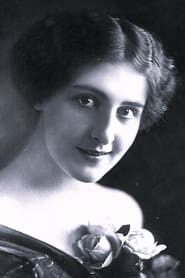
Henny Porten
Actor
Born: January 7, 1890 in Magdeburg, German Empire Died: October 15, 1960 Active: 1906-1955 Birth Name: Frieda Ulrike Porten
Films
5 films
About Henny Porten
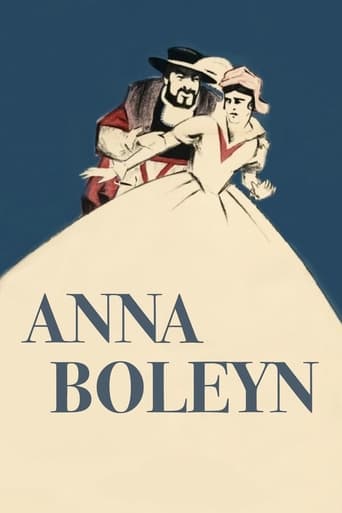
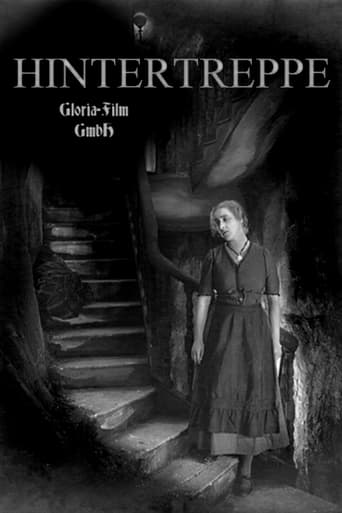
Henny Porten was one of Germany's most celebrated silent film actresses, often referred to as 'the German Mary Pickford' due to her immense popularity and box office appeal. Born into a theatrical family, she began her film career in 1906 and quickly rose to stardom, becoming the first true female star of German cinema. During the 1910s and 1920s, she appeared in over 100 films, working with prominent directors like Ernst Lubitsch and Fritz Lang. Her performances in films such as 'Anna Boleyn' (1920) and 'Backstairs' (1921) showcased her remarkable range and emotional depth. Despite facing political challenges during the Nazi era due to her Jewish husband, Porten managed to continue her career, though in more limited roles. She successfully transitioned to sound films and continued acting through the 1940s and 1950s. Porten's nearly five decades, making her enduring figures in German cinema history.
The Craft
On Screen
Porten was known for her naturalistic acting style that stood out in the era of exaggerated silent film performances. She brought subtlety and emotional authenticity to her roles, often portraying strong, independent female characters who challenged traditional gender roles. Her expressive eyes and nuanced facial expressions allowed her to convey complex emotions without relying on the melodramatic gestures common in silent cinema. Porten's technique emphasized psychological depth over theatricality, making her performances feel modern and relatable.
Milestones
- Film debut in 'The Accusation' (1906)
- Starred in Ernst Lubitsch's 'Anna Boleyn' (1920)
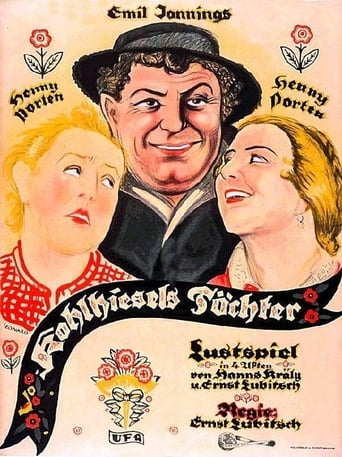
- Major success with 'Kohlhiesel's Daughters' (1920)
- Critically acclaimed performance in 'Backstairs' (1921)
- Founded her own production company Henny Porten-Film GmbH
- Successfully transitioned to sound films in the 1930s
- Received the Federal Film Award in 1954
Best Known For
Iconic Roles
Must-See Films
Accolades
Won
- Federal Film Award (Bundesfilmpreis) for Best Actress (1954)
- Filmband in Gold for lifetime achievement (1959)
Nominated
- Venice Film Festival Volpi Cup for Best Actress (1937)
Special Recognition
- Star on the Boulevard der Stars in Berlin
- German Film Museum retrospective exhibition (1990)
- Multiple postage stamps issued in her honor by German postal service
Working Relationships
Worked Often With
Studios
Why They Matter
Impact on Culture
Henny Porten revolutionized German cinema by establishing the template for the modern film star. Her success demonstrated that a woman could be the primary box office draw in an industry dominated by male directors and producers. Porten's independent spirit and business acumen, including founding her own production company, paved the way for future generations of actresses to gain creative control. Her films often addressed social issues and featured strong female protagonists, contributing to early feminist discourse in cinema. During the Weimar Republic, she became a cultural icon representing German cultural achievement, and her international popularity helped establish German cinema's global reputation.
Lasting Legacy
Porten's legacy endures through her extensive filmography, which has been preserved and restored by film archives worldwide. She is remembered as a pioneer who bridged the silent and sound eras, maintaining her popularity across both periods. Her resistance to Nazi pressure and loyalty to her Jewish husband made her a symbol of moral courage in post-war Germany. Film historians credit her with elevating the artistic standards of German cinema and establishing the archetype of the sophisticated, emotionally complex female protagonist. The German Film Academy has established the Henny Porten Award in her honor, recognizing outstanding contributions by women in film.
Who They Inspired
Porten's naturalistic acting style influenced generations of German actors, particularly in moving away from theatrical traditions toward cinematic realism. Her success in producing her own films inspired later actresses like Marlene Dietrich and Hildegard Knef to seek greater creative control. Directors such as Rainer Werner Fassbinder cited her work as an influence on their approach to female characters. Her international popularity helped establish the global market for German films, paving the way for the German Expressionist movement's international success. Modern German actresses continue to reference Porten as a figure who demonstrated that women could be both commercially successful and artistically significant in cinema.
Off Screen
Porten came from a theatrical background, with her father being a theater actor and her mother an opera singer. She married physician and film producer Wilhelm von Kaufmann in 1921, who was Jewish, which caused complications for her career during the Nazi regime. The couple had one daughter, Eva. Despite political pressures, Porten refused to divorce her husband, demonstrating remarkable courage during a dark period in German history. After World War II, she and her family lived in East Berlin for a time before moving to West Germany.
Education
Trained at the Royal Theater School in Berlin, studied under prominent acting coaches of the era
Family
- Wilhelm von Kaufmann (1921-1959)
Did You Know?
- Was the first German film star to receive international recognition
- Refused to work with Nazi propaganda director Leni Riefenstahl
- Her production company was one of the first female-owned film studios in Europe
- Spoke fluent English, French, and Italian in addition to German
- Once received 30,000 fan letters in a single month during her peak popularity
- Was offered contracts by Hollywood studios but chose to remain in Germany
- Survived a bombing raid that destroyed her home during World War II
- Made over 150 films during her career, though many are now lost
- Was one of the few German stars to successfully transition from silent to sound films
- Her wedding to Wilhelm von Kaufmann was a major society event covered by newspapers across Europe
In Their Own Words
I would rather be a good actress in a bad film than a bad actress in a good film
The camera doesn't lie, but it also doesn't tell the whole truth
Success in cinema is like catching lightning in a bottle - you never know when it will strike
I've always believed that the most important thing is to remain true to yourself, even when the world demands you be someone else
Frequently Asked Questions
Who was Henny Porten?
Henny Porten was one of Germany's most famous and influential silent film actresses, often called 'the German Mary Pickford.' She starred in over 150 films from 1906 to 1955 and was the first true female superstar of German cinema.
What films is Henny Porten best known for?
Titles linked here include Anna Boleyn (1920), Kohlhiesel's Daughters (1920).
When was Henny Porten born and when did she die?
Born January 7, 1890; died October 15, 1960.
What awards did Henny Porten win?
Porten received the Federal Film Award (Bundesfilmpreis) for Best Actress in 1954 and the Filmband in Gold for lifetime achievement in 1959. She also received a Volpi Cup nomination at the Venice Film Festival in 1937.
What was Henny Porten's acting style?
Porten was known for her naturalistic and subtle acting style, which contrasted with the exaggerated performances common in silent films. She emphasized psychological depth and emotional authenticity, making her characters feel modern and relatable.
How did Henny Porten handle the Nazi regime?
Porten faced persecution from the Nazis due to her Jewish husband Wilhelm von Kaufmann but refused to divorce him. She was temporarily banned from films but eventually allowed to return under strict conditions, demonstrating remarkable moral courage.
Did Henny Porten work in Hollywood?
Despite receiving offers from Hollywood studios, Porten chose to remain in Germany throughout her career. She was one of the few German stars who achieved international success while working primarily in her home country.
What is Henny Porten's legacy in cinema?
Porten's legacy includes the role of women in German cinema, establishing the template for film stardom, and demonstrating moral courage during the Nazi era. She influenced generations of actors and helped establish German cinema's international reputation.